
The Magnificent Legacy of Chola Architecture in India
Brihadisvara Temple (Thanjavur Big Temple)
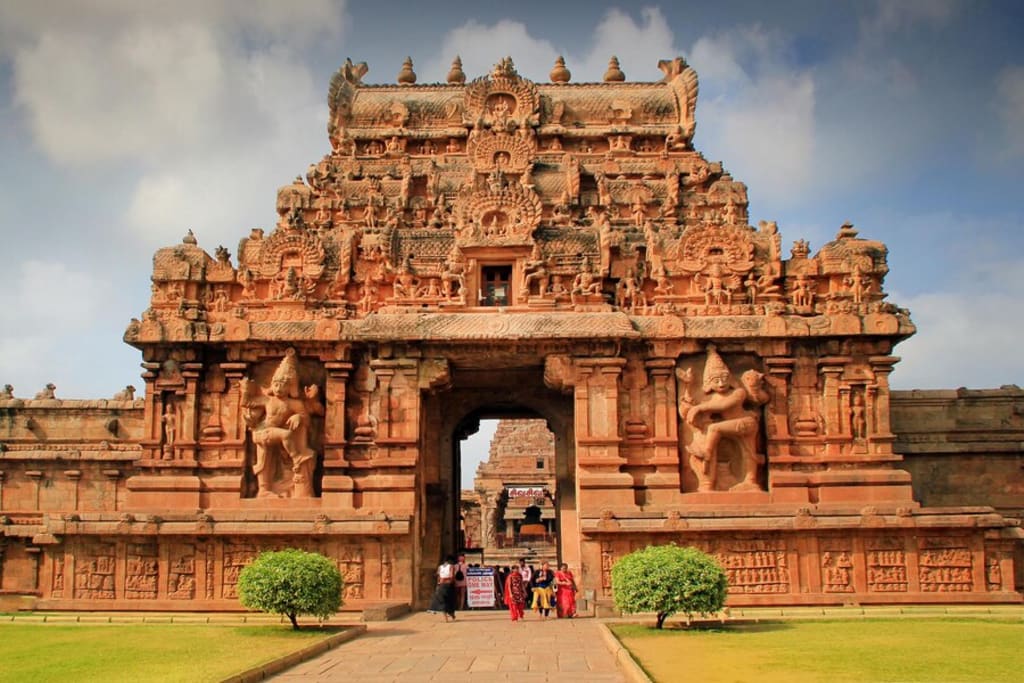
The Brihadisvara Temple, also known as the Peruvudaiyar Kovil or RajaRajeswara Temple, is a historic Hindu temple located in Thanjavur (formerly known as Tanjore), a city in the southern Indian state of Tamil Nadu. The temple is one of the largest and most magnificent examples of Dravidian architecture and is considered a masterpiece of the Chola dynasty, which ruled Tamil Nadu between the 9th and 13th centuries CE.
The construction of the Brihadisvara Temple was initiated by the Chola king Raja Raja I in the early 11th century CE and was completed under the reign of his son Rajendra I. The temple was built to honor Lord Shiva, one of the principal deities in the Hindu pantheon. The temple complex covers an area of approximately 23 acres and includes several structures such as the main shrine, the Nandi mandapa, and a large central courtyard surrounded by smaller shrines.
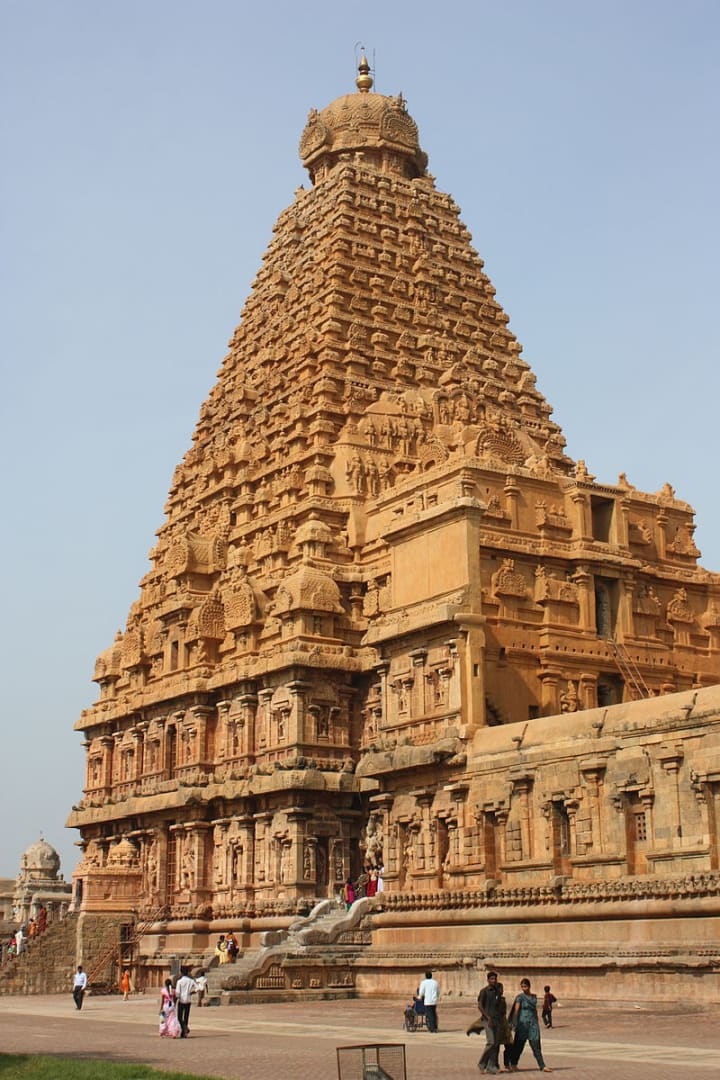
The temple's main tower, also known as the vimana, is an architectural wonder and is one of the tallest in India, rising to a height of 216 feet. The tower is made of granite and is adorned with intricate carvings and sculptures, including depictions of gods, goddesses, and mythical creatures. The temple also has a large statue of Nandi, the sacred bull who is considered the vahana (vehicle) of Lord Shiva.
The Brihadisvara Temple was built during a time of great prosperity for the Chola dynasty, which was renowned for its achievements in art, architecture, and literature. The temple was not only a religious center but also served as a hub for cultural and economic activities. It attracted artisans, musicians, and scholars from across the region, who contributed to its rich artistic and intellectual legacy.
Over the centuries, the Brihadisvara Temple has undergone several renovations and restorations, including a major restoration project undertaken in the early 20th century by the British government. The temple has also faced various challenges, including natural disasters and political turmoil. Nevertheless, it continues to be a significant cultural and religious landmark in Tamil Nadu and is recognized as a UNESCO World Heritage Site.
Today, the Brihadisvara Temple remains an important pilgrimage site for Hindus from around the world, who come to offer their prayers and seek the blessings of Lord Shiva. Its magnificent architecture, intricate carvings, and rich history continue to inspire awe and wonder among visitors and scholars alike.
Secrets of Brihadisvara Temple
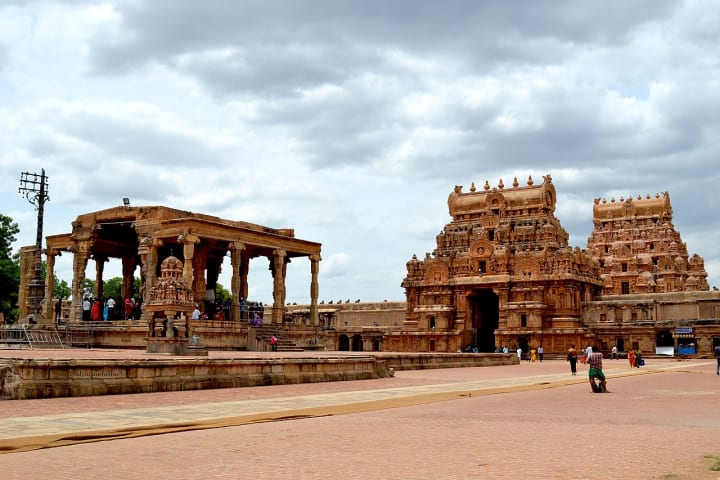
The Brihadisvara Temple in Thanjavur is a magnificent and awe-inspiring structure, with a rich history and many fascinating secrets. Here are some of the secrets of the temple that make it even more interesting:
Mystery of the Shadowless Tower: One of the most intriguing aspects of the Brihadisvara Temple is the fact that the tower over the main shrine does not cast a shadow at noon. This phenomenon has puzzled scientists and architects for centuries and is still not fully understood. Some theories suggest that the tower was designed to align perfectly with the position of the sun, while others speculate that the builders used a special type of granite that does not cast a shadow.
Hidden Frescoes: The temple is home to some of the most beautiful frescoes in India, which were painted during the reign of Rajaraja Chola I. However, many of these frescoes are hidden from public view, as they are located in the upper levels of the temple's towers and are not easily accessible. Some of the frescoes that can be seen include depictions of deities, celestial beings, and scenes from Hindu mythology.
Secret Underground Tunnel: According to local legend, there is a secret underground tunnel that connects the Brihadisvara Temple with the nearby Thanjavur Palace. The tunnel is said to have been used by the kings of the Chola dynasty to escape in times of danger, and some people believe that it is still intact today. However, the tunnel has never been officially discovered or excavated.
Hidden Sculptures: The temple is adorned with thousands of sculptures and carvings, many of which are hidden from plain sight. Some of these hidden sculptures can be found on the outer walls of the temple, while others are located in the smaller shrines and chambers. These sculptures depict a wide range of subjects, from everyday life in ancient India to the stories of Hindu gods and goddesses.
Secret Passages: The Brihadisvara Temple is said to have several secret passages and chambers, some of which have never been explored. These passages are believed to have been used by the priests and royal families for various purposes, such as conducting rituals or escaping in times of danger. Some people also believe that these passages hold hidden treasures and artifacts, although no evidence of this has ever been found.
Overall, the Brihadisvara Temple is a treasure trove of secrets and mysteries, each adding to its rich history and fascinating allure.
About the Creator
Keep reading
More stories from jagadish k and writers in Education and other communities.
"The Taj Mahal: India's Crowning Jewel"
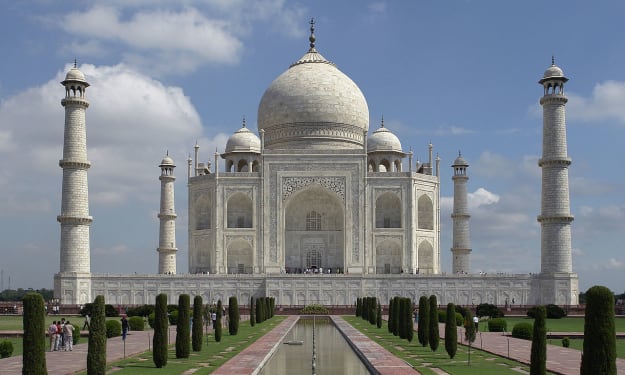
The Taj Mahal is one of the most iconic and beautiful monuments in the world, attracting millions of visitors every year. Located in the Indian city of Agra, the Taj Mahal is a testament to love and devotion, as it was built by the Mughal Emperor Shah Jahan in memory of his beloved wife Mumtaz Mahal. However, despite its fame and beauty, the Taj Mahal holds many hidden secrets and mysteries that continue to fascinate people from all over the world.
By jagadish k3 years ago in Education
Role of Technology in Modern Islamic Education
Islamic education has always been a cornerstone of Muslim life, guiding children and adults alike in spiritual, moral, and academic growth. Traditionally, learning took place in mosques, madrasas, or homes with direct guidance from teachers.
By Arslan Shahbaz5 minutes ago in Education
Smart Home Plumbing Habits That Protect Your Pipes
Owning a home brings pride and comfort. It also brings responsibility. Plumbing is one of the most critical systems in any house. Small mistakes can lead to leaks, damage, and high repair costs. This guide shares essential plumbing tips every homeowner should know. The goal is to help you avoid trouble and keep your home running smoothly.
By Lickety Split8 days ago in Education
The Devil's Cut
“Comrade, finally you’re awake.” The voice was smooth, sensual. A flickering incandescent bar was all that lit the white, sterile room. All Vladimir remembered was everything going black. He tried to move his arms and found them strapped to the gurney.
By Matthew J. Fromm7 days ago in Fiction


Comments
There are no comments for this story
Be the first to respond and start the conversation.