
The Invention that Redefines Humanity: Extending Life and Unveiling Unforeseen Consequences
Imagine a world where the limits of human life are no longer confined to the frail passage of time. Picture an invention—one so advanced, so revolutionary—that it promises to extend the human lifespan indefinitely. The boundaries of mortality are stretched, and humanity’s understanding of life, death, and existence is forever transformed. This breakthrough, however, is not without its consequences, some of which are unforeseen, complex, and potentially dangerous.

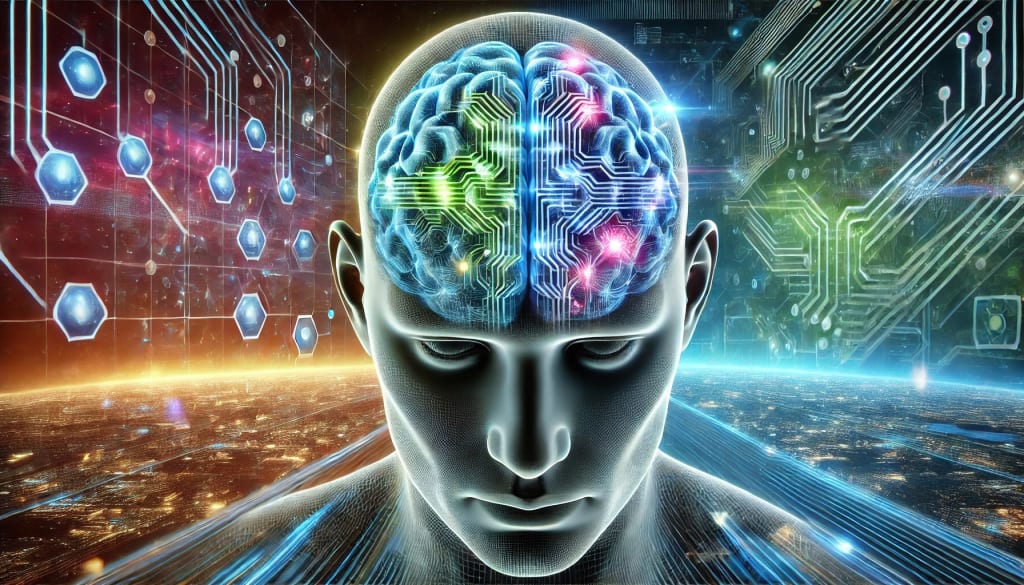
A World Without the End
At first glance, the concept of extending life indefinitely might seem like a utopian dream. Advances in medicine, genetics, and technology have already extended life expectancy in many parts of the world. Yet, these innovations merely delay the inevitable. But what if there was a scientific discovery, an invention, that allowed people to live far beyond what is currently imaginable? What if human life could be extended to centuries, or even millennia?
Such an invention would immediately alter the course of human history. Imagine the possibilities: centuries of knowledge, skills, and creativity accumulated over long lifetimes. A world where wisdom is no longer limited by time, where elders could teach future generations with unparalleled experience. Society would no longer face the cyclical nature of progress and decay; instead, people could build on each other’s legacies for hundreds of years.
The Strain on Resources and Society
Yet, the promise of eternal life is fraught with significant challenges. The most immediate consequence would be the strain on the planet’s resources. Earth’s population is already growing at an alarming rate, and many regions face scarcity of basic resources such as food, water, and housing. The addition of millions—or even billions—of people who never age or die would place unprecedented pressure on the planet’s ecosystems. How would humanity provide for these expanded populations, especially in a world where resources are finite?
Economic systems would also be drastically affected. What would work and retirement look like in a society where individuals continue to contribute to the economy for centuries? The dynamics of wealth distribution, employment, and social mobility would change, potentially giving rise to an elite class of those who have lived for centuries while leaving others in perpetual struggle.
Shifting Values and the Meaning of Life
Furthermore, the invention of immortality would inevitably challenge the very foundation of human values and the meaning of life itself. If death is no longer an inevitable conclusion, what becomes of ambition? What becomes of the drive to create, to explore, to make a difference? Humanity’s relationship with its finite existence has long been a central part of our psyche. The notion of “living for the moment” stems from the fact that our time here is limited. If that time were to stretch on indefinitely, would people still find purpose in their lives? Would the pursuit of goals and achievements become diluted by the endless expanse of years?
In a world where aging is no longer a given, relationships might also evolve in unpredictable ways. How would families, friendships, and romantic partnerships adapt when time is no longer a defining factor? Would people grow complacent, knowing that they have centuries to cultivate connections? Or would the endless span of time lead to disconnection and apathy, as people lose the urgency that comes with knowing their time is limited?
Ethical Dilemmas and the Divide Between “Haves” and “Have-Nots”
One of the most profound consequences of life-extension technology would be the ethical dilemmas it raises. Who decides who gets access to such a technology? If immortality becomes a commodity, it could exacerbate the growing inequality gap, creating a division between the “haves” who can afford to live forever and the “have-nots” who are left behind, doomed to live a normal lifespan. This could lead to widespread social unrest, as entire groups of people are left without access to the most precious resource of all: time.
Moreover, what are the moral implications of living forever? Is it ethically sound to manipulate life’s natural course? Many cultures, religions, and philosophies have long held that death is a natural part of the human experience. Extending life indefinitely would challenge these deeply held beliefs, forcing societies to confront difficult questions about the sanctity of life and the role of death in the human narrative.
The Paradox of Overpopulation and Environmental Collapse
While humanity’s extension of life would allow for greater intellectual and cultural advancements, it could also lead to the collapse of ecosystems and an overburdened planet. The sheer number of people living beyond their natural lifespan would intensify the demands placed on the Earth’s resources. With no end in sight, the potential for irreversible environmental damage becomes a very real concern. Climate change, deforestation, and resource depletion could spiral out of control, creating a dystopian future where the very technology that once promised immortality now threatens humanity’s survival.
A Double-Edged Sword
The invention that extends life and redefines humanity could be one of the greatest achievements in human history—or it could be a Pandora’s box filled with unforeseen consequences. On the one hand, it could lead to unimaginable advancements in knowledge, creativity, and experience. On the other hand, it could place an unbearable strain on the planet’s resources, create unprecedented social divides, and challenge the very meaning of existence.
Ultimately, the key to navigating this bold new world would be careful consideration of the consequences and the wisdom to temper ambition with caution. The extension of life may offer incredible opportunities, but humanity must also confront the reality that immortality is not a simple solution. It may, in fact, be a double-edged sword—one that requires deep reflection on what it truly means to live a meaningful life.
About the Creator
Malik Kashif
Blogger | Creative Writer | Traveler | Full-Time Rver
I write because my heart tells me to, I read because I love stories that make my eclectic soul happy. I'm an Artist, Writer , Animal lover, traveller and free spirit
Keep reading
More stories from Malik Kashif and writers in Education and other communities.
Why Marketplace Experts Are Key to Stronger Guest Loyalty Programs
Guest loyalty programs have become an essential component of the modern hospitality industry. Hotels, resorts, and vacation rental brands rely on these programs to create meaningful relationships with travelers while encouraging repeat bookings. In a competitive travel marketplace where guests have endless choices, loyalty programs help brands stand out and maintain long term customer connections. However, developing a successful loyalty strategy requires more than simply offering points or discounts. It demands a deep understanding of guest behavior, booking platforms, and digital marketplace trends.
By Jason Nissenabout 8 hours ago in Education
72% of Americans Rely on a Secondary Income
The idea of having a single job that comfortably supports your lifestyle used to be the norm in the United States. For decades, many Americans expected that a full-time job would cover housing, food, healthcare, savings, and even leisure. Today, however, that reality is changing.
By AnthonyBTV5 days ago in Education


Comments
There are no comments for this story
Be the first to respond and start the conversation.