
The Intersection of Function and Beauty: Modern Furniture Innovations
Creating Stylish, Sustainable, and Multi-Purpose Living Spaces
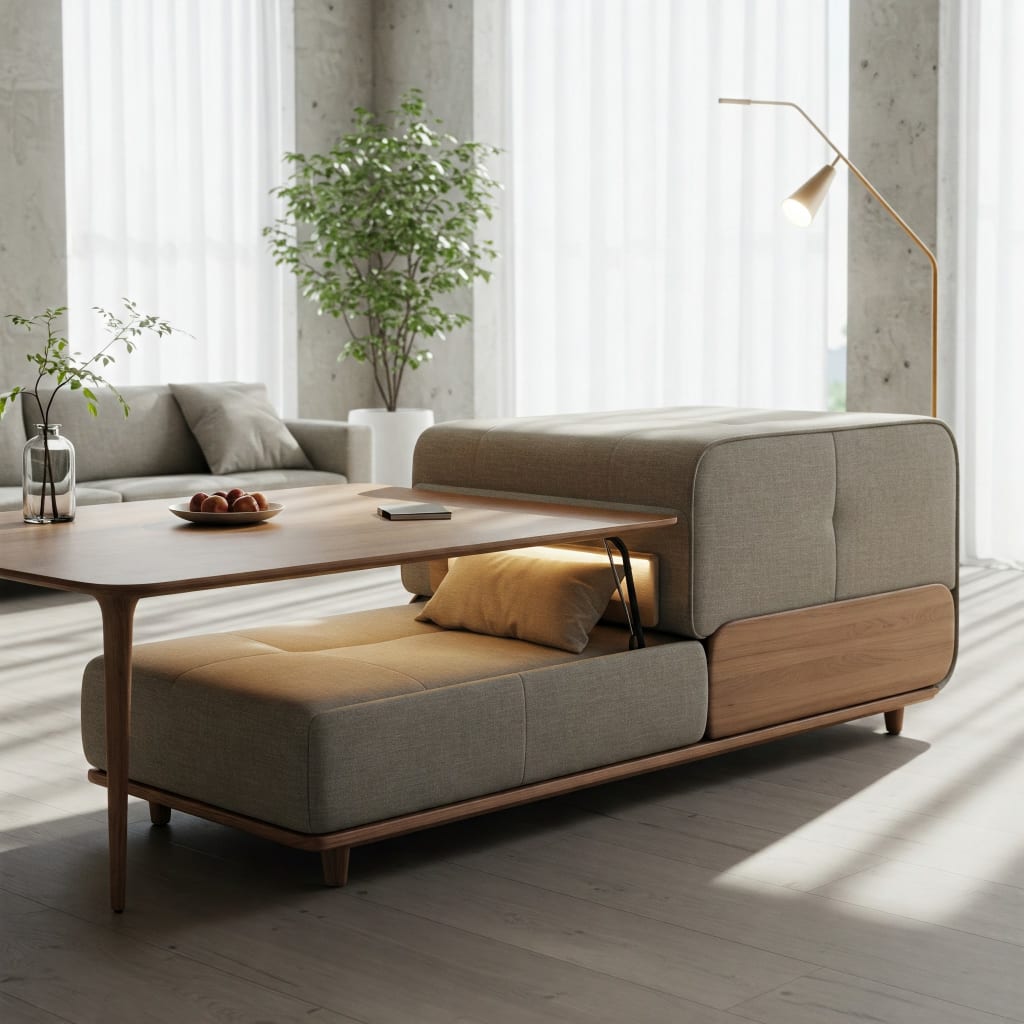
In recent years, the world of furniture design has experienced a revolutionary shift. What was once a clear division between practicality and aesthetics is now a seamless integration of both. Modern furniture innovations are focusing on combining form and function in ways that were once thought impossible. Today’s furniture isn’t just about looking good—it’s about creating versatile, functional, and visually stunning pieces that cater to the dynamic needs of contemporary living.
Multifunctional Design: Maximizing Space and Efficiency
One of the most notable trends in modern furniture design is the increasing demand for multifunctional pieces. With urbanization leading to smaller living spaces, people are seeking furniture that can serve multiple purposes. This is especially important for those living in apartments, where space is often limited.
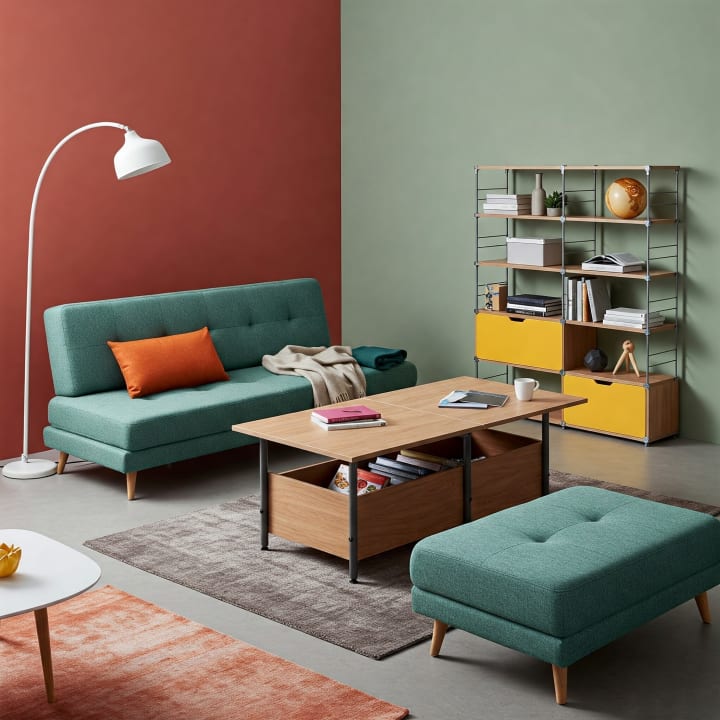
For example, modular sofas that can be rearranged into different configurations, or coffee tables that can be expanded into dining tables, offer an ideal solution. Another innovation is the rise of convertible furniture—like foldable desks, wall-mounted shelves, and beds that tuck away into the walls during the day. These smart designs allow users to maximize space without sacrificing comfort or style. Whether it’s a sofa that becomes a bed or a dining table that can also serve as a workspace, multifunctional furniture is redefining the way we live and interact with our environments.
Sustainable and Eco-Friendly Materials: Design with Responsibility
Another key shift in modern furniture is the increasing focus on sustainability. With growing awareness of climate change and the environmental impact of consumer products, designers are incorporating eco-friendly materials into their furniture designs. This is a response to both the ethical concerns of consumers and the need for the industry to adopt more sustainable practices.
Furniture manufacturers are moving away from materials that contribute to deforestation and pollution, instead opting for responsibly sourced wood, recycled plastics, and fabrics made from natural fibers like hemp or bamboo. Additionally, innovative designers are using reclaimed materials, such as repurposed wood and upcycled metal, to create furniture that not only looks beautiful but also reduces waste.
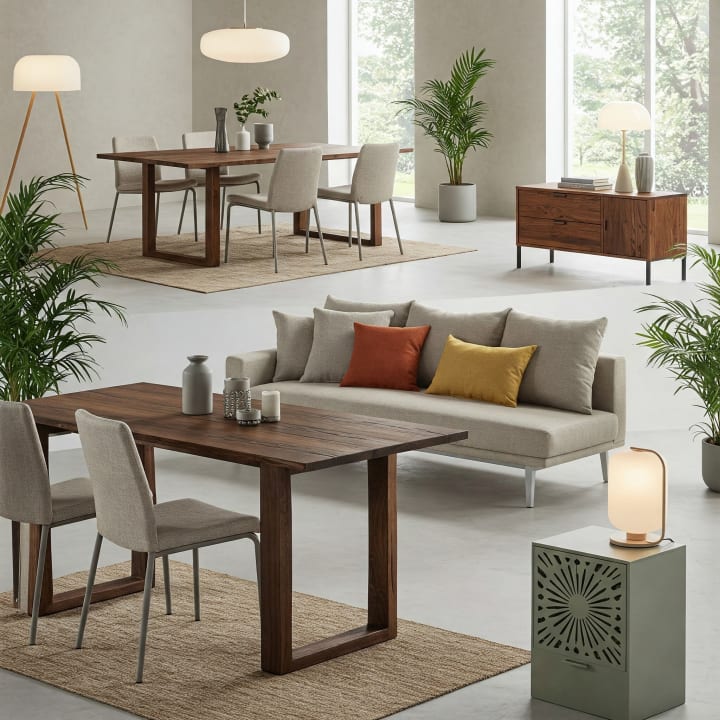
The emphasis on sustainability is not just about the materials used but also the longevity of the furniture itself. Modern designs prioritize durability, ensuring that pieces are built to last, reducing the need for frequent replacements and minimizing waste. This long-lasting approach ties into the growing trend of circular design, where furniture is created with the intention of being repurposed, repaired, or recycled rather than discarded.
Technology Integration: The Smart Furniture Revolution
Technology is another significant factor driving modern furniture innovation. With the rise of smart homes and the growing reliance on digital devices, furniture is increasingly designed to integrate seamlessly with our connected lives. Smart furniture combines aesthetics with functionality, incorporating features that enhance the user experience.
For instance, smart desks with built-in wireless charging stations, Bluetooth speakers, and adjustable height settings cater to the needs of the modern worker. Ergonomically designed chairs with posture correction features are not only comfortable but also support health and well-being. In living rooms, coffee tables with embedded touch screens or lamps that adjust their brightness based on ambient lighting are becoming more common.
These innovations don't just add convenience; they also make everyday activities more efficient. Imagine sitting on a sofa that recognizes your preferred seating position and adjusts automatically or using a coffee table that can double as a virtual workspace. Technology is allowing furniture to adapt to the needs of the user, enhancing comfort, productivity, and overall living experience.
Aesthetic Trends: Minimalism Meets Personalization
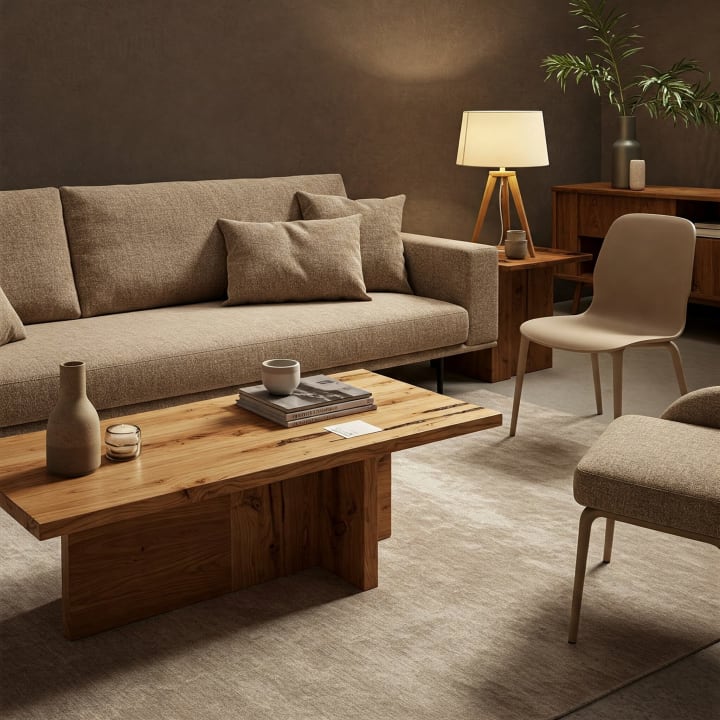
While functionality and sustainability are at the forefront of modern furniture design, aesthetic trends are also evolving. The minimalistic approach continues to dominate, with clean lines, neutral colors, and clutter-free designs gaining popularity. However, there is also a growing trend toward personalization.
Consumers are increasingly seeking furniture that reflects their unique tastes and preferences. Customizable options allow individuals to choose the size, color, and material of their furniture pieces. This trend is not only about creating a personalized environment but also about making furniture that fits seamlessly into individual lifestyles and spaces.
Conclusion: The Future of Furniture Design
The intersection of function and beauty in modern furniture design represents a harmonious blend of practicality, style, and sustainability. As we look ahead, we can expect even more innovative solutions that cater to our evolving lifestyles. Furniture will no longer just be static objects but active, integrated components of our homes and workspaces. With multifunctional designs, eco-conscious materials, smart technology, and an emphasis on personalized aesthetics, the future of furniture will continue to transform the way we live, work, and interact with our surroundings.
About the Creator
Keep reading
More stories from OPAA LIVING and writers in Education and other communities.
The Global Furniture Revolution: Cultural Influences on Modern Designs
Furniture design has seen a profound evolution in recent years, shaped by a confluence of global influences that draw inspiration from diverse cultures and traditions. As the world becomes more interconnected, modern furniture has moved beyond the constraints of regional styles, blending elements from various cultures to create innovative, multifaceted designs. This dynamic shift reflects not only changing aesthetics but also the growing recognition of the importance of cultural exchange and sustainability. Here’s how cultural influences are reshaping modern furniture design.
By OPAA LIVING10 months ago in Education
Dr. Richard Kannwischer on Christian Community in a Digital Age: Koinonia and the Ethics of Belonging
Dr. Richard Kannwischer is Senior Pastor of Peachtree Presbyterian Church and has served more than 25 years in pastoral ministry. He earned a Master of Divinity from Princeton Theological Seminary and a Doctor of Ministry from Fuller Theological Seminary. A gifted communicator, he is passionate about helping people see how the story of God speaks with clarity, depth, and relevance to everyday life. His preaching and writing blend theological rigor with storytelling, making complex truths accessible and engaging. Whether in the pulpit, on the page, or in conversation, he invites audiences into practical, life-giving Christian faith for seekers and believers.
By Scott Douglas Jacobsenabout 19 hours ago in Education
Where Wisdom Meets Action: The Deep Connection Between Culture, Education, and Service
In any thriving society, specific values act as the foundation for growth, unity, and identity. Among these, culture, higher education, and service stand out as essential pillars. While they may operate in different spheres, they are deeply connected by a shared purpose — to empower individuals and strengthen communities through knowledge, empathy, and tradition.
By Carmen Reida day ago in Education


Comments
There are no comments for this story
Be the first to respond and start the conversation.