
The Importance of the Palliative Care Nurse
Scope of Palliative Care Nursing in Australia

Almost every aspect of health care involves caring for someone with a life-limiting illness. Even if specialist nurses are unavailable, nurses working across the health system may find themselves in clinical circumstances requiring palliative care skills.
Palliative care Nursing seeks to enhance the quality of life for patients and their dying families. The goal is to assist people in living longer while preserving dignity and choice at the end of life.
What Is Palliative Care?
Palliative care's primary goal is to alleviate or eliminate symptoms that cause a patient's pain. Patients seeking palliative care may have symptoms due to cancer, Parkinson's disease, diabetes, or Alzheimer's disease.
Such illnesses can cause physical and emotional anguish among patients. That’s where palliative care nurses can help patients & their loved ones deal with different aspects of chronic illness. Furthermore, nursing services make the transition process easier for patients and their families dealing with health issues.
In the end, palliative care focuses on symptom treatment rather than illness cure. Palliative care aims to improve comfort and ease the patients & their families dealing with medical problems.
How important is Palliative care?
People are surviving longer than ever before in modern society, and even those with serious chronic illnesses, such as cancer, heart disease, diabetes & COPD, can expect to live much longer than previous generations, thanks to advances in the treatment of diseases like cancer, heart disease, diabetes, and COPD.
While doctors can prolong the lives of their patients, both the ailment and the therapy can cause pain and other unwanted effects. Palliative care in nursing homes is crucial because it allows patients to manage pain and symptoms while still seeking curative procedures, resulting in an improved quality of life. When a patient is very ill, they realise how precious each day is.
During their illness, palliative care's assistance in resolving pain & other discomforts can make every day a pleasant feel, allowing patients to use their time with their beloved families.
What roles do nurses play in Palliative care?
Palliative care nurses assist patients in various ways to ensure their long-term well-being. These tasks include tracking symptoms over time and assessing patients' health to ensure proper care is provided each day.
Palliative nurses are committed to providing excellent end-of-life care. Palliative care is defined by the availability of nurses 24 hours a day, seven days a week. This service is created to serve people manage pain, side effects, and symptoms and support their families.
Palliative care nurses are known for their excellent listening abilities, as they focus on compassionate listening, education, guiding, and counselling in addition to pain and other symptoms. They promote the maximum quality of life for the patient and their family.
Where will this nursing course take me?
* Palliative care nurses work in diverse roles and places, including:
*Pathway to Masters in Nursing
*Palliative Care Registered Nurse
* Entry pathway to palliative care nursing setting ,managing patients with complex health needs
* Entry to find employment in Palliative Care Unit
* Finding roles in community setting providing palliative care
* Qualification gives you an opportunity to work as Clinical Nurse Specialist (CNS), Clinical Support Nurse (CSN), and with experience Associate Nurse Manager of a unit and Team leader role
Final Words:
Palliative care services have grown even more important in curing diseases & the healing process as more health care providers focus on delivering the maximum quality of life for their patients. If you want to become a palliative care nurse practitioner and improve your skills and knowledge in the field, IHM offers courses that could be just right for you. Join us today!
About the Creator
Keep reading
More stories from writers in Education and other communities.
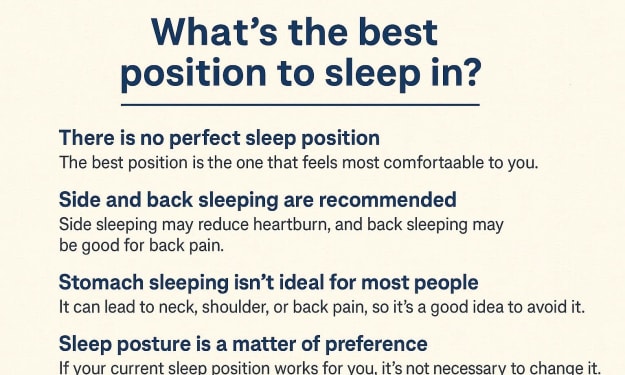
What’s the best position to sleep in?
In the 1970s, psychoanalyst Samuel Dunkell proposed a curious, albeit almost completely unsubstantiated, theory that the position you sleep in reflects your personality. For example, preferring to snooze in the so-called royal position indicated self-confidence, while sleeping semi-fetal meant you’re sensible and well adjusted. While Dunkell’s ideas lack any definitive proof, how we sleep can impact our health. So, what’s the best position to sleep in? Sleep positions go by countless creative names—
By Munesh Yadavabout 13 hours ago in Education
Friendship with Books
Arslan and Rehan were very close friends. They studied in the same class and lived in the same neighborhood, which made their friendship even stronger. Despite being similar in age and environment, their interests were quite different. Rehan had a deep love for reading. He was not limited to his textbooks alone; instead, he eagerly read all kinds of books, including storybooks, history, general knowledge, and books full of interesting events. For Rehan, books were not just a habit—they were a way of life.
By Sudais Zakwana day ago in Education



Comments
There are no comments for this story
Be the first to respond and start the conversation.