
The Importance of Education
Education
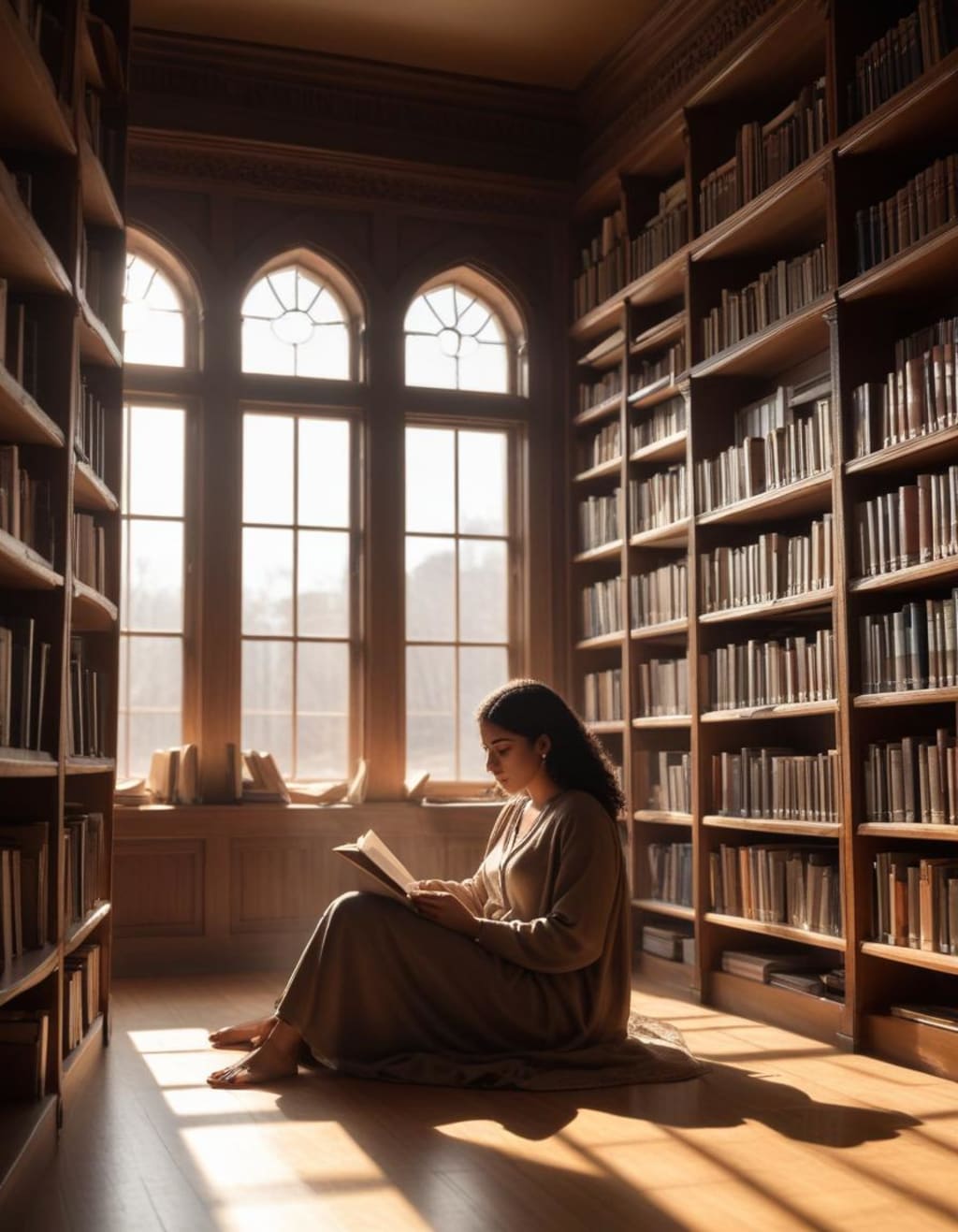
Education is the cornerstone of personal and societal development. It is a powerful tool that shapes individuals, empowers communities, and drives progress. From fostering critical thinking to promoting social equality, education plays a pivotal role in transforming lives and creating opportunities.
### **What is Education?**
Education is more than just acquiring knowledge; it is the process of learning skills, values, and ethics that help individuals lead fulfilling lives. It begins at home, extends to schools and colleges, and continues throughout life as lifelong learning. Education encompasses both formal and informal methods, enabling people to adapt, innovate, and grow in a dynamic world.
### **The Role of Education in Personal Growth**
1. **Knowledge and Awareness:** Education provides access to information and helps individuals understand the world around them. It fosters curiosity, problem-solving skills, and the ability to make informed decisions.
2. **Building Character:** Along with intellectual growth, education instills values such as honesty, empathy, and discipline. It shapes character and promotes ethical behavior.
3. **Enhancing Skills:** Education develops technical and soft skills, preparing individuals for jobs and careers. From communication to leadership, it equips learners with the tools needed for success.
4. **Boosting Confidence:** Educated individuals tend to be more confident and self-reliant. Education nurtures the ability to express oneself effectively and stand up for one’s beliefs.
5. **Encouraging Creativity and Innovation:** Education stimulates creativity by encouraging critical thinking and experimentation, paving the way for new ideas and discoveries.
### **The Impact of Education on Society**
1. **Economic Development:** A well-educated population contributes to economic growth. Education enhances productivity, reduces poverty, and boosts income levels.
2. **Equality and Empowerment:** Education bridges gaps and promotes equality by empowering marginalized communities, especially women, with opportunities for growth.
3. **Social Harmony:** Educated individuals are more likely to promote peace, tolerance, and inclusiveness. Education reduces discrimination and fosters understanding among diverse groups.
4. **Health and Well-being:** Education improves awareness about hygiene, nutrition, and health practices, leading to better lifestyles and lower disease rates.
5. **Democratic Participation:** An educated population strengthens democracy by encouraging civic engagement and informed voting.
### **Challenges in Education**
Despite its importance, many people still lack access to quality education due to poverty, gender inequality, and lack of infrastructure. Millions of children around the world remain out of school, and adult illiteracy persists as a major barrier to progress.
### **Steps to Promote Education**
1. **Universal Access to Education:** Governments must ensure free and compulsory education for all children, regardless of their background.
2. **Quality Teaching Standards:** Training teachers and adopting modern teaching methods can improve the quality of education.
3. **Technology Integration:** Digital tools and e-learning platforms can make education more accessible and engaging.
4. **Scholarships and Financial Aid:** Providing financial assistance helps underprivileged students pursue education without barriers.
5. **Community Involvement:** Parents, NGOs, and local leaders should collaborate to promote education and address local challenges.
### **Education as a Lifelong Process**
Education is not limited to schools and universities; it is a continuous journey. Lifelong learning allows individuals to acquire new skills and stay updated with advancements in technology and knowledge. It encourages adaptability and resilience, which are essential in today’s fast-changing world.
### **Conclusion**
Education is the foundation of progress and prosperity. It empowers individuals, transforms societies, and paves the way for a brighter future. Investing in education is not just a necessity but a moral responsibility to ensure equal opportunities for all. By promoting education, we create a world that is more informed, inclusive, and innovative.
In the words of Nelson Mandela, *"Education is the most powerful weapon which you can use to change the world."* Let us embrace this weapon to build a better tomorrow.
About the Creator
Keep reading
More stories from Ranjeet Prakash Banaudha and writers in Education and other communities.
The Story of Earth – Our Home
About 4.5 billion years ago, Earth was born out of a swirling cloud of gas and dust that surrounded the young Sun. Gravity pulled these particles together, and over time, they formed a rocky sphere—our planet. This fiery beginning laid the foundation for one of the most remarkable stories in the universe: the story of Earth and its transformation into a cradle of life.
By Ranjeet Prakash Banaudhaabout a year ago in Earth
The Comfort of Arrival: Why Certain Destinations Instantly Feel Familiar
There are moments in travel that defy logic. You arrive in a place you have never visited before, step onto its streets, breathe in its air, and suddenly feel at ease. There is no adjustment period, no sense of being out of place. Instead, there is a quiet recognition, as if the destination has been waiting for you. This feeling of instant belonging is not accidental, nor is it purely romantic imagination. It is the result of emotional, cultural, psychological, and environmental factors working together to create a sense of home far from home.
By Producer James Simon4 days ago in Education
The Proven Natural Skincare Secret with Healthy Skin
Healthy skin does not come from harsh products or complicated routines. It comes from working with nature, not against it. The natural skincare secret that many people overlook is the power of raw honey as a daily skin ally. This simple ingredient has been used for generations, yet many still do not understand its effectiveness. When used correctly, raw honey can change how your skin looks and feels.
By Kelln Small4 days ago in Education


Comments
There are no comments for this story
Be the first to respond and start the conversation.