
The Importance of Choosing a Good Web Hosting Provider
Web Hosting Provider

Outline
I. Introduction
A. Explanation of web hosting
B. Importance of choosing a good web hosting provider
II. Factors to Consider When Choosing a Web Hosting Provider
A. Uptime
B. Speed
C. Customer support
D. Security
E. Scalability
III. Different Types of Web Hosting
A. Shared hosting
B. VPS hosting
C. Dedicated hosting
D. Cloud hosting
IV. How to Choose the Right Web Hosting Provider
A. Determine your website's needs
B. Read reviews and testimonials
C. Compare plans and pricing
D. Look for a provider with good customer support
E. Check for any hidden costs
V. The Importance of Regularly Checking Your Web Hosting Provider
A. Monitoring uptime and speed
B. Testing security measures
C. Staying up-to-date with the latest technology
VI. Conclusion
VII. FAQs
The Importance of Choosing a Good Web Hosting Provider
Choosing a web hosting provider is one of the most crucial decisions you will make when creating a website. Not only does your web host affect the overall speed and functionality of your site, but it also determines its security, uptime, and scalability. With so many options available, it can be overwhelming to choose the right provider for your website's needs. In this article, we'll discuss the importance of selecting a good web hosting provider and the factors to consider when making your choice.
Factors to Consider When Choosing a Web Hosting Provider
When selecting a web hosting provider, it's essential to consider several factors that can affect the performance and reliability of your website. Here are the most crucial factors to keep in mind:
Uptime
Uptime refers to the amount of time your website is available and accessible to visitors. A good web hosting provider should offer at least 99.9% uptime, ensuring that your site is available to users at all times. A provider with poor uptime can significantly impact your site's traffic, search engine ranking, and reputation.
Speed
Website speed is a crucial factor that affects user experience and search engine ranking. A good web hosting provider should offer fast loading times, ensuring that your visitors can access your site quickly. Slow loading times can lead to high bounce rates, lower search engine ranking, and reduced user satisfaction.
Customer support
When dealing with technical issues, it's essential to have reliable and timely customer support. A good web hosting provider should offer 24/7 customer support via multiple channels, such as live chat, phone, or email. The provider should also have a knowledgeable and experienced support team that can help you with any issues you may encounter.
Security
Website security is crucial to protect your site from cyber threats such as hacking, malware, and viruses. A good web hosting provider should offer robust security measures such as firewalls, malware scanning, SSL certificates, and regular backups.
Scalability
As your website grows, your web hosting needs may change. A good web hosting provider should offer scalable plans that allow you to upgrade your resources quickly as your site's traffic and functionality increase.
Different Types of Web Hosting
Web hosting providers offer several types of hosting plans to suit different website needs and budgets. Here are the most common types of web hosting:
Shared hosting
Shared hosting is the most affordable and straightforward hosting option. In shared hosting, multiple websites share the same server resources, including CPU, RAM, and storage. Shared hosting is suitable for small websites with low to medium traffic.
VPS hosting
Virtual private server (VPS) hosting is a more advanced hosting option that provides a dedicated amount of resources to your website. VPS hosting is suitable for websites
About the Creator
Natural Ways to Clear Blackheads and Whiteheads
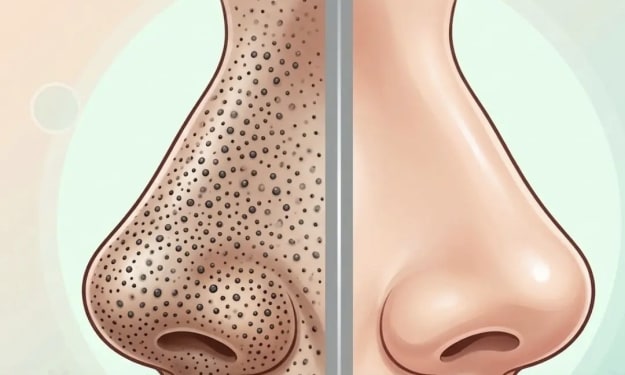
Blackheads and whiteheads are very common skin problems that affect people of all ages. They usually appear on the nose, chin, forehead, and sometimes on the cheeks. These small bumps form when the pores of the skin become clogged with oil, dead skin cells, and dirt. Blackheads appear dark because the clogged material inside the pore reacts with air and becomes oxidized, while whiteheads remain covered by skin, giving them a white or flesh-colored appearance.
By DigitalAddi4 days ago in Education



Comments
There are no comments for this story
Be the first to respond and start the conversation.