
The impact of social media on mental health
#social media # impact of social media #facebook

Introduction
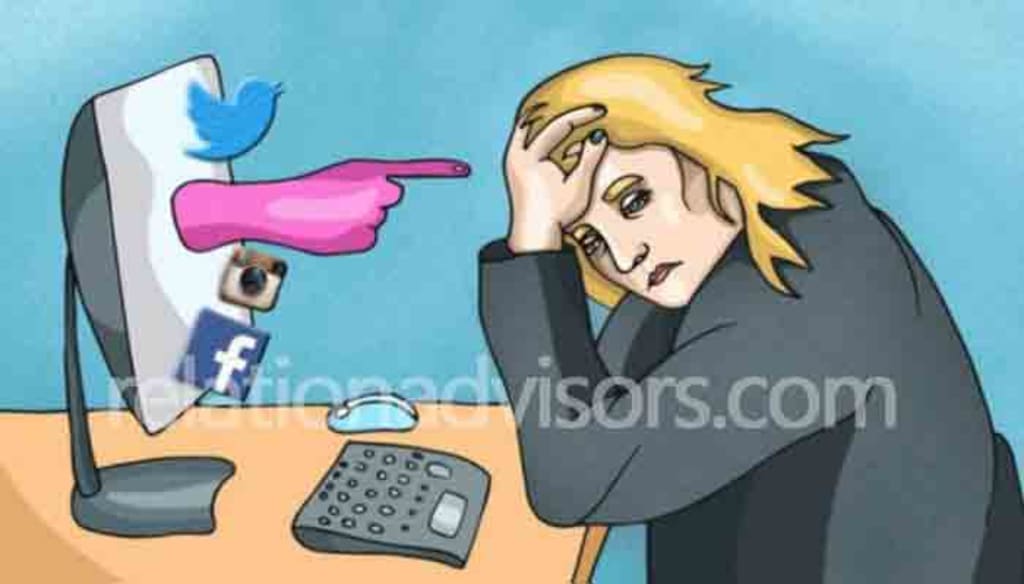
Social media has become an integral part of modern life, connecting people from all over the world and providing a platform for self-expression and communication. However, as the use of social media has grown, so too have concerns about its impact on mental health. Research has shown that excessive use of social media can lead to a range of negative mental health outcomes, including depression, anxiety, low self-esteem, and sleep problems.
Fostering a sense of comparison and competition
One of the main ways that social media can negatively impact mental health is by fostering a sense of comparison and competition. Social media platforms are often used to present a curated, idealized version of oneself, and this can lead to feelings of inadequacy and low self-esteem. When users see the highlight reels of others' lives, it can make them feel as if they are not measuring up. Research has shown that heavy social media use is associated with higher levels of body dissatisfaction, and that people who spend more time on social media are more likely to experience feelings of depression and anxiety.
Fostering feelings of isolation and loneliness
Another way that social media can negatively impact mental health is by fostering feelings of isolation and loneliness. Social media platforms are designed to encourage connection, but they can also lead to feelings of disconnection and isolation. This is because social media can create a false sense of community and belonging, leading users to feel more isolated in real life. People who spend more time on social media are more likely to experience loneliness and social isolation.
Disrupting sleep patterns
Social media can also negatively impact mental health by disrupting sleep patterns. The blue light emitted by screens can suppress the production of melatonin, a hormone that helps regulate sleep. This can lead to insomnia and other sleep disorders, which can have a range of negative effects on mental health. Additionally, the constant stimulation and notifications of social media can make it difficult for users to disconnect and relax, leading to feelings of stress and anxiety.
Positive effects of social media on mental health
However, it is important to note that social media is not inherently bad for mental health, and can in fact have positive effects. Social media can help people stay connected with friends and family, especially when they are physically distant. Social media can also provide a platform for self-expression and creativity, and can be used to access information and resources related to mental health.
Mitigating the negative effects of social media on mental health
To mitigate the negative effects of social media on mental health, it is important to use social media mindfully and in moderation. This means setting limits on the amount of time spent on social media, and being mindful of the content that is consumed. It also means taking breaks from social media, and engaging in activities that promote well-being, such as exercise and spending time in nature. Additionally, it's important to be aware of the potential negative effects of social media and to be mindful of how it makes you feel.
Conclusion
In conclusion, social media has become an integral part of modern life, but excessive use of social media can lead to a range of negative mental health outcomes. By fostering a sense of comparison and competition, feelings of inadequacy and low self-esteem, feelings of isolation and loneliness, and disrupting sleep patterns, social media can negatively impact mental health. However, it is important to note that social media is not inherently bad for mental health, and can in fact have positive effects. To mitigate the negative effects of social media on mental health, it is important to use social media mindfully and in moderation, set limits on the amount of time spent on social media and be aware of the potential negative effects of social media.
About the Creator
Keep reading
More stories from writers in Education and other communities.
Is Pharmacy Tech a Good Career Choice for 2026?
Given the recent shifts in the market and AI automation, people are now well aware that economic shakeups can drastically hinder their income sources. This is causing a lot of people to switch careers, and a majority of people are targeting healthcare roles. However, not all allied healthcare roles are created equal. Also, you can aim to become a medical assistant, but if you do not want to deal with patients, the ideal role for you is that of a Pharmacy Technician.
By Meaghan Howe5 days ago in Education
7 Memory Path Decisions That Decide Server Throughput
Server performance isn't just about raw processing power or storage capacity. The real bottleneck often hides in something less obvious: how your system handles memory paths. Every data request travels through a complex network of memory channels and controllers. These journeys determine whether your server flies or crawls.
By Harry Cmarya day ago in Education
Wild Card Weekend Recap: What Happens Now?
I think I figured out why I love Wild Card Weekend so much. It's because it's the first playoff anything of the calendar year. The NFL season starts in the fall, and once upon a time, the champion was crowned either on or slightly before New Year's. The evolution of the NFL schedule has resulted in the playoffs starting just into the New Year, and currently, the final week of the season falls on the first weekend of the New Year, with Wild Card Weekend coming a week after that. So yes, chronologically, the NFL's Wild Card Weekend serves as the first playoff anything of the calendar year.
By Clyde E. Dawkins7 days ago in Unbalanced




Comments
There are no comments for this story
Be the first to respond and start the conversation.