
The Impact of Mindfulness on Stress Reduction: A Practical Guide by Dr. Jesse Leontowicz
Proven Strategies for Cultivating Calm and Resilience in Everyday Life

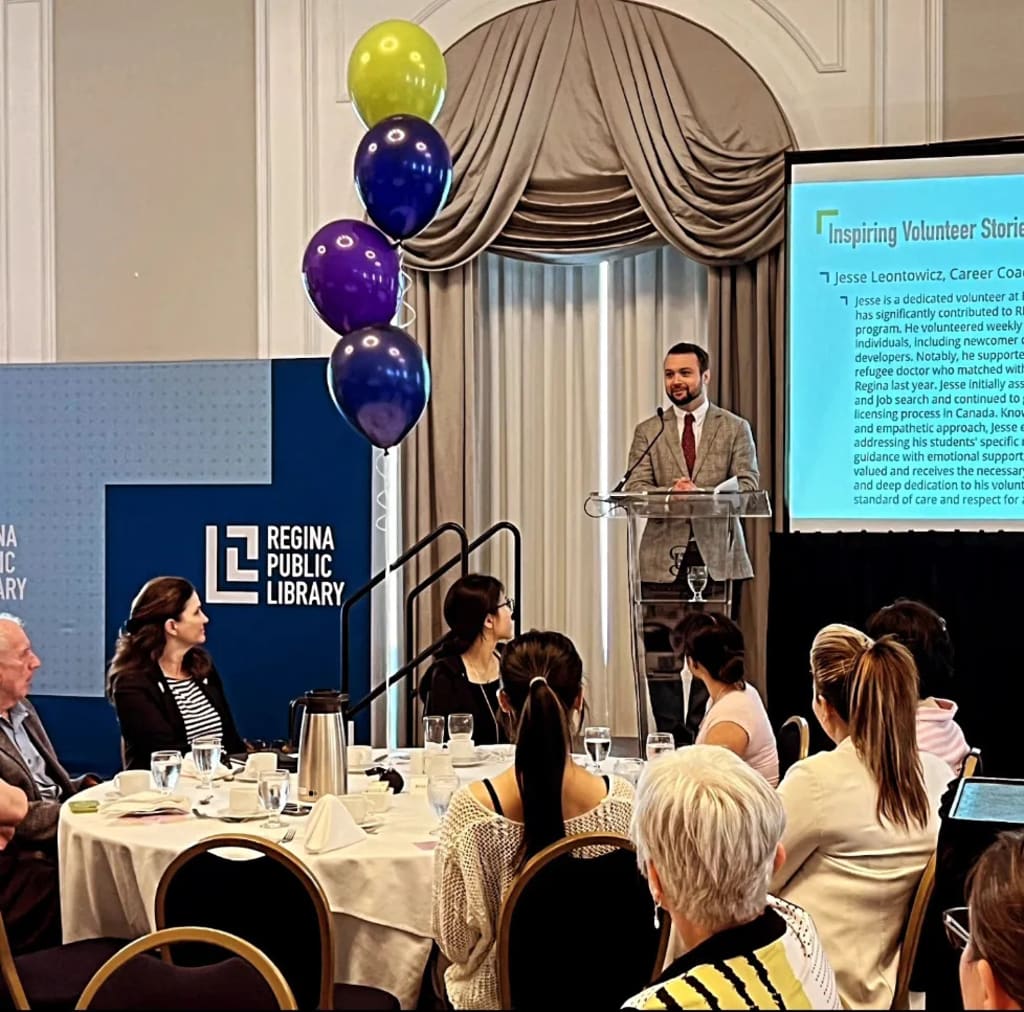
In today’s fast-paced world, stress has become a common concern for many individuals. Chronic stress can arise from work, relationships, or personal issues. It can greatly affect both mental and physical health. However, practicing mindfulness can be a powerful tool to mitigate stress and enhance overall wellness. In this guide, Dr. Jesse Leontowicz shares mindfulness techniques. These tips are easy to add to your daily routine. They can help reduce stress and boost your quality of life.
Understanding Mindfulness
Mindfulness is the practice of being fully present and engaged in the moment, without judgment. It means noticing your thoughts, feelings, and surroundings. Also, it’s about being accepting of them. Studies show that mindfulness programs can reduce stress. They also help with emotional control and improve thinking skills.
The Science Behind Mindfulness and Stress Reduction
Numerous scientific studies confirm the positive effects of mindfulness on stress management. Mindfulness-based stress reduction (MBSR) was created by Dr. Jon Kabat-Zinn. It is well-known for helping reduce anxiety and stress. Research highlights include:
- Lower cortisol levels: Mindfulness practices can reduce cortisol, the main hormone for stress.
- Improved emotional control: Mindfulness helps people manage stress calmly and effectively.
- Boosted brain function: Research shows that mindfulness strengthens the prefrontal cortex. This leads to better focus, smarter decisions, and stronger emotional resilience.
Practical Mindfulness Techniques for Stress Management
Incorporating mindfulness into daily life does not require drastic changes. Below are simple yet effective techniques to cultivate mindfulness and reduce stress:

1. Mindful Breathing
One of the simplest ways to practice mindfulness is through focused breathing.
- How to do it: Find a quiet place, sit comfortably, and close your eyes. Focus on your breath as you inhale and exhale slowly. If your mind wanders, gently bring your attention back to your breath.
- Benefits: Regulates the nervous system, reduces stress hormones, and promotes relaxation.
2. Body Scan Meditation
This technique involves paying attention to different parts of your body to release tension.
- How to do it: Lie down or sit comfortably. Close your eyes and focus on different body parts, starting from your toes up to your head. Notice any sensations without judgment.
- Benefits: Enhances body awareness, reduces physical tension, and promotes relaxation.
3. Mindful Walking
Walking mindfully helps ground you in the present moment.
- How to do it: Walk slowly and focus on each step. Pay attention to how your feet touch the ground and your surroundings.
- Benefits: Reduces anxiety, increases awareness, and encourages mental clarity.
4. Gratitude Journaling
Expressing gratitude fosters a positive mindset and reduces stress.
- How to do it: Write down three things you are grateful for every day.
- Benefits: Shifts focus from stressors to positive experiences, improving emotional well-being.

5. Guided Meditation
Listening to guided meditation sessions can be an excellent way to practice mindfulness.
- How to do it: Use mindfulness apps or online resources that offer guided meditations.
- Benefits: Helps beginners stay focused and develop a consistent mindfulness practice.
Integrating Mindfulness into Your Daily Routine
Mindfulness doesn’t require setting aside hours each day. Here are some easy ways to integrate mindfulness into daily activities:
- Morning routine: Start your day with five minutes of mindful breathing.
- During work: Take short mindful breaks to refocus and reduce stress.
- Mealtimes: Eat slowly and savor each bite, focusing on textures and flavors.
- Evening wind-down: Engage in mindfulness exercises before bedtime to improve sleep quality.
Overcoming Common Challenges in Mindfulness Practice
While mindfulness is simple, it can be challenging to maintain consistency. Here are some solutions to common obstacles:
- Struggling with focus? Accept distractions without frustration and gently bring attention back to the present.
- Lack of time? Incorporate mindfulness into daily tasks, such as mindful eating or mindful listening.
- Feeling impatient? Remember that mindfulness is a practice, and progress takes time.
Conclusion
Practicing mindfulness can be a game-changer in managing stress and enhancing overall well-being. Simple techniques such as mindful breathing, meditation, and gratitude journaling can boost resilience. This makes it easier to handle life's challenges. Dr. Jesse Leontowicz suggests starting small. Build a mindfulness practice that works for your lifestyle.

Call to Action
Would you like to explore mindfulness further? Join Dr. Jesse Leontowicz in upcoming workshops or follow his insights on stress management and wellness. Start your mindfulness journey today and take the first step toward a calmer, more balanced life.
About the Creator
SEO Bloger
SEO blogger specializing in high-quality, optimized content that ranks. Skilled in keyword research, on-page SEO, and content strategy to boost visibility and engagement.
Keep reading
More stories from SEO Bloger and writers in Education and other communities.
The Benefits of Owning a Hot Tub in Surrey
A hot tub is more than just a backyard luxury—it’s an investment in relaxation, health, and social enjoyment. If you live in Surrey or the Fraser Valley, a hot tub in Surrey can transform your outdoor space into a year-round retreat.
By SEO Bloger11 months ago in Lifehack
Auto Glass Repair: Why Timely Repairs Matter More Than You Think
Auto glass damage is something most drivers experience at some point, whether it’s a small stone chip on the highway or a cracked windshield caused by extreme weather. While many people view auto glass damage as a minor inconvenience, ignoring it can lead to serious safety risks and higher repair costs over time. Understanding the importance of professional auto glass repair can help drivers make better decisions and keep their vehicles safe on the road.
By Rana Awais Ghaffar4 days ago in Education
Casie Hynes and the Future of Mathematics Education
Mathematics has always been a cornerstone of education, shaping analytical thinking, logical reasoning, and problem-solving skills that extend far beyond the classroom. In today’s rapidly evolving world, however, traditional approaches to math instruction are increasingly falling short. Students are expected to navigate complex data, adapt to technological change, and solve unfamiliar problems, yet many leave school without a deep understanding of mathematical concepts. As education systems face growing pressure to adapt, new perspectives on math learning are helping redefine what effective instruction should look like.
By Casie Hynes5 days ago in Education
Time to change your life.
Is it even possible for you to change your life? A lot of people, more than there should be, are unhappy with their lives. But what are they doing about it? Usually nothing. People talk about how shitty their lives are and want change, but are they not taking the actions to change?
By Jen Phillipsabout 14 hours ago in Humans


Comments
There are no comments for this story
Be the first to respond and start the conversation.