
The Human Brain: 10 Fascinating Facts You Never Knew
The Brain Feels No Pain

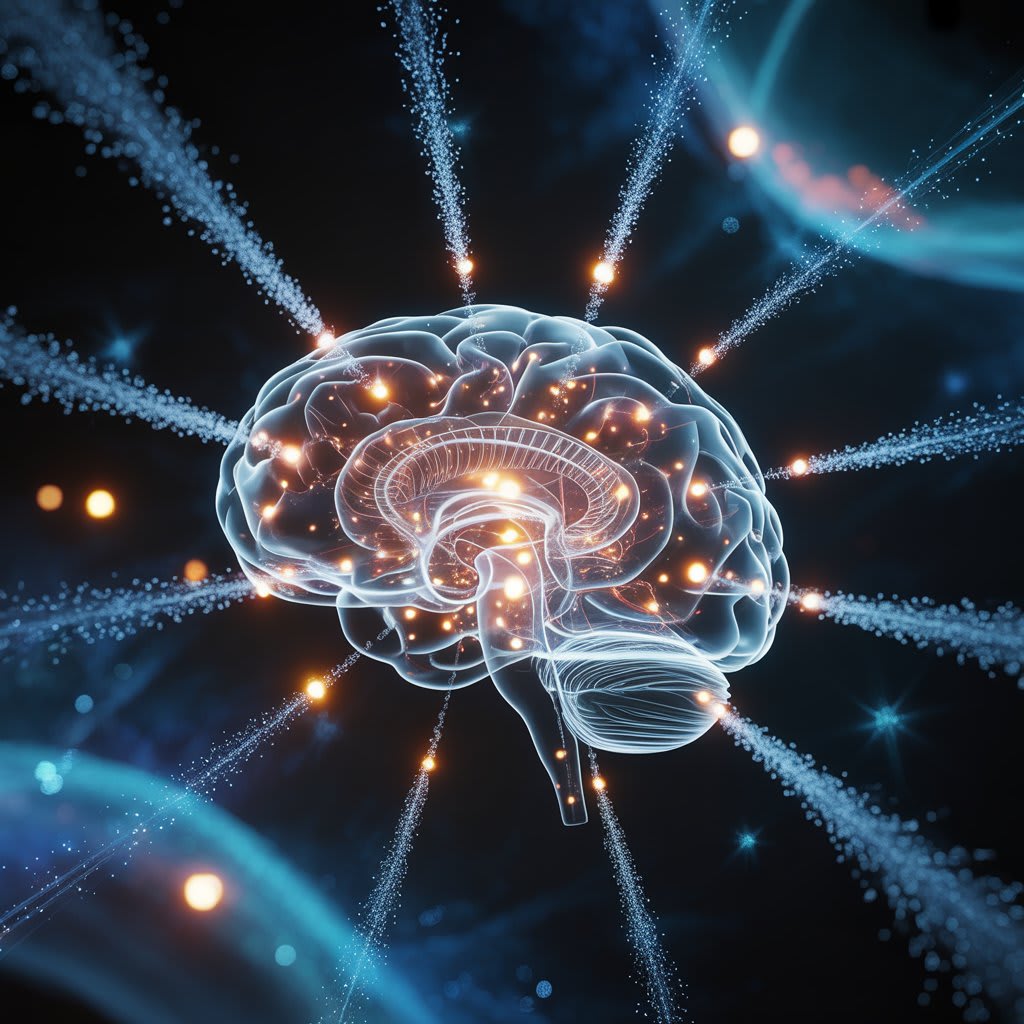
The human brain is the most complex and powerful organ in the body. It is the command center of the nervous system and is responsible for every thought, emotion, memory, and movement. Despite years of scientific research, the brain still holds many secrets. In this article, we'll explore 10 fascinating facts about the human brain that will truly amaze you.
1. The Human Brain Generates Enough Electricity to Power a Lightbulb
One of the most mind-blowing facts about the human brain is that it generates approximately 20 watts of electricity—enough to power a small lightbulb. This energy is produced through billions of neurons communicating via electrical impulses. Every thought, movement, and emotion you experience is made possible by these signals constantly firing across your brain.
2. Your Brain Uses 20% of Your Body's Energy
Though it weighs just about 2% of your body weight, the human brain consumes 20% of your body’s energy. It requires a constant supply of oxygen and glucose to function. This is why staying hydrated, eating brain-healthy foods, and getting regular sleep are essential for maintaining sharp mental focus and cognitive performance.
3. The Brain Has Over 86 Billion Neurons
Forget the outdated estimate of 100 billion neurons. Recent research suggests that the human brain contains around 86 billion neurons, each forming thousands of connections (called synapses) with other neurons. These connections form complex networks that enable learning, memory, emotions, and reasoning.
4. Your Brain Is Faster Than a Supercomputer
Modern supercomputers are incredibly powerful, but the human brain is still faster in certain tasks—especially those involving pattern recognition, language processing, and problem-solving. Information in the brain travels via neurons at speeds of up to 268 miles per hour (431 km/h), allowing us to react almost instantly to stimuli.
5. Brain Plasticity: Your Brain Can Rewire Itself
One of the most exciting discoveries in neuroscience is neuroplasticity—the brain's ability to change and adapt throughout life. This means that new connections can form between neurons, even in adulthood. Whether you’re learning a new language, playing an instrument, or forming new habits, your brain is constantly reshaping itself.
6. You Can’t Feel Pain in Your Brain
The brain itself has no pain receptors, which is why patients can undergo brain surgery while awake and feel no pain in the brain tissue. This fascinating fact is the reason behind awake craniotomies, where doctors stimulate different brain areas while the patient responds in real-time to ensure important functions like speech or vision are not affected.
7. Multitasking Is a Myth
Think you can do several tasks at once? Not really. The human brain can only focus on one complex task at a time. What we call "multitasking" is actually the brain rapidly switching between tasks, which decreases productivity and increases the likelihood of making errors. If you want to be efficient, focus on one task at a time.
8. The Brain Shrinks with Age—but Exercise Can Help
As we age, the brain naturally shrinks in volume, especially in areas related to memory and decision-making. However, regular physical exercise—particularly aerobic activities like walking, swimming, or cycling—can help maintain brain health and slow cognitive decline by boosting blood flow and stimulating neurogenesis (growth of new brain cells).
9. Most of the Brain Is Active—Even During Sleep
Contrary to the myth that we only use 10% of our brains, neuroscientific studies using brain imaging have proven that nearly all parts of the brain have a known function and are active at different times, including during sleep. While asleep, the brain processes memories, clears toxins, and even solves problems. That's why people often wake up with solutions to problems they had the day before!
10. Memories Are Reconstructive, Not Replayed
Your brain does not "replay" memories like a video; it reconstructs them each time you recall them. That means memories can change over time, influenced by emotions, new information, or even suggestions from others. This fascinating fact explains why eyewitness accounts in legal cases can be unreliable.
Bonus Tip: How to Boost Your Brain Power Daily
Now that you know these amazing brain facts, here are a few ways to keep your brain functioning at its best:
- Get enough sleep (7–9 hours per night)
- Stay mentally active (puzzles, reading, learning)
- Eat brain-healthy foods (omega-3s, berries, leafy greens)
- Stay physically active (30 minutes of exercise a day)
- Practice mindfulness or meditation
- Maintain social connections
- Avoid excessive stress and screen time
About the Creator
Muhammad Asim
Welcome to my space. I share engaging stories across topics like lifestyle, science, tech, and motivation—content that informs, inspires, and connects people from around the world. Let’s explore together!
Keep reading
More stories from Muhammad Asim and writers in Education and other communities.
How to Learn Any Skill in 30 Days or Less
In our fast-paced world, the ability to pick up new skills quickly isn’t just impressive — it’s essential. Whether you're aiming to enhance your career, switch fields, pick up a creative hobby, or simply challenge yourself, the idea that you can learn any skill in 30 days is not a gimmick — it's a strategy. With the right mindset, structure, and tools, it's entirely possible to gain meaningful proficiency in a skill within just one month. While true mastery can take years, 30 days is enough to build a strong foundation, gain confidence, and even outperform many casual learners.
By Muhammad Asim7 months ago in Education
Is Pharmacy Tech a Good Career Choice for 2026?
Given the recent shifts in the market and AI automation, people are now well aware that economic shakeups can drastically hinder their income sources. This is causing a lot of people to switch careers, and a majority of people are targeting healthcare roles. However, not all allied healthcare roles are created equal. Also, you can aim to become a medical assistant, but if you do not want to deal with patients, the ideal role for you is that of a Pharmacy Technician.
By Meaghan Howe3 days ago in Education
Wild Card Weekend Recap: What Happens Now?
I think I figured out why I love Wild Card Weekend so much. It's because it's the first playoff anything of the calendar year. The NFL season starts in the fall, and once upon a time, the champion was crowned either on or slightly before New Year's. The evolution of the NFL schedule has resulted in the playoffs starting just into the New Year, and currently, the final week of the season falls on the first weekend of the New Year, with Wild Card Weekend coming a week after that. So yes, chronologically, the NFL's Wild Card Weekend serves as the first playoff anything of the calendar year.
By Clyde E. Dawkins5 days ago in Unbalanced




Comments
There are no comments for this story
Be the first to respond and start the conversation.