
The Human Body System's Components: Facts
The Human Body System's Components: Facts
The human body is a remarkable biological machine with over 100 trillion cells, 206 bones, 320 pairs of muscles, and 5 vital organs. These systems work together to allow for life, movement, cognitive function, growth, repair, reproduction, and more. The average height of an adult human is about five to six feet tall and they can get able to stand erect and walk on two feet. The human brain is the central command system for the whole body. It's a mass of about one hundred and eighty billion neurons, each with multiple synapses. These create a network of over 100 trillion connections. Tiny electrical currents and chemical messengers send information around the brain at 268 miles per hour. There's enough electrical current in your brain to power an LED light bulb.
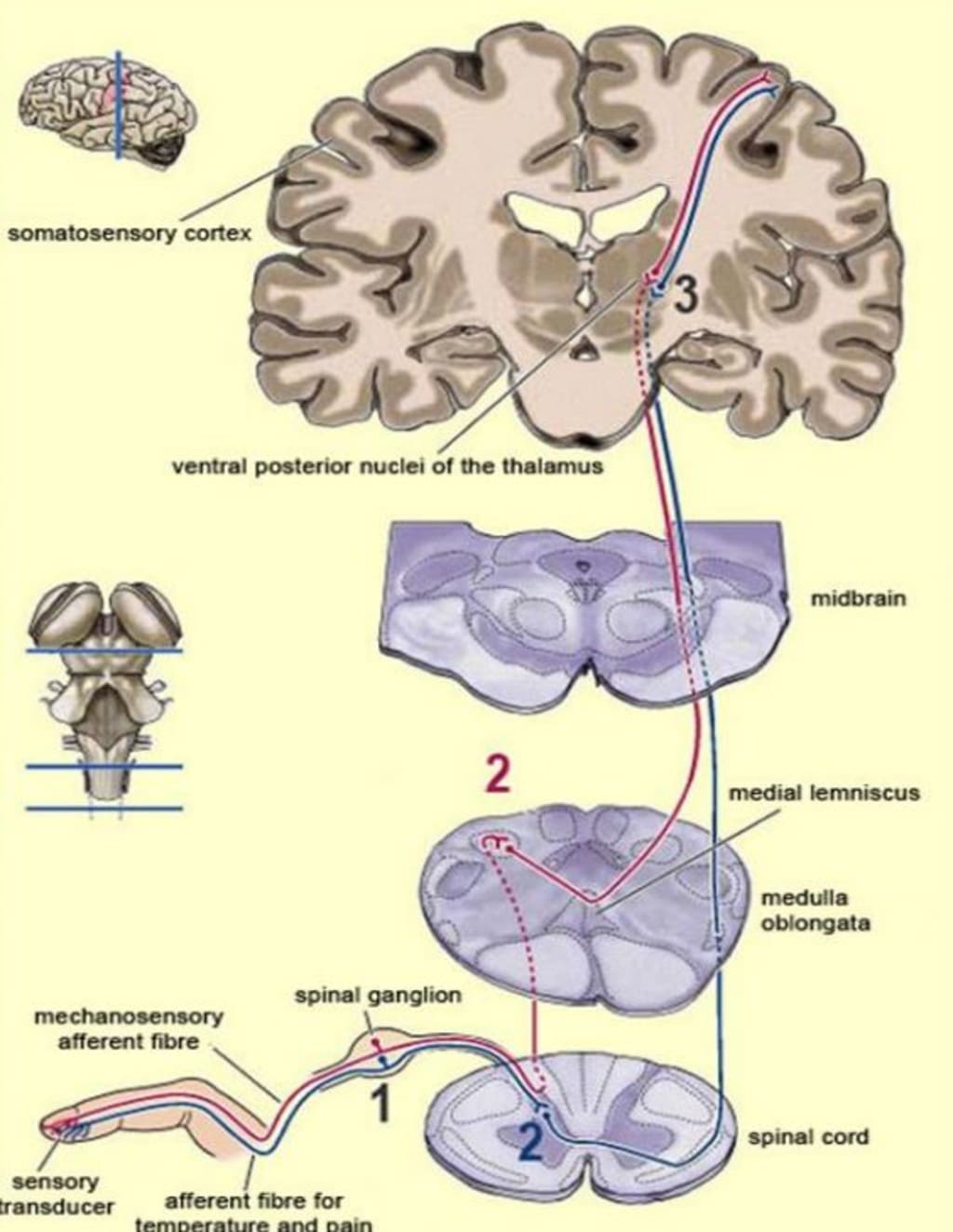
An adult brain weighs about three pounds, and if you hold your fists together with your thumbs touching that's about the size of your brain. The folds in the brain increase its area of size. A baby's brain is nearly smooth while an adult brain looks a lot like a walnut with lots of little folds. Brain tissue needs both oxygen and glucose to function, and it uses 20% of the Bloods oxygen and glucose. Brain cells begin to die after around 5 minutes of no oxygen, but different parts of the brain have different functions. The main structure in the brain is the frontal lobe, the parietal lobe, the occipital lobe, the cerebellum, the temporal lobe, and the brainstem. The brain connects to the rest of the body through the spinal cord, which branches out into similar and smaller nerves throughout the body. The nervous system is the body's wiring system; it transmits messages to and from the brain that are both voluntary and involuntary. The involuntary messages are things we can't control like a heartbeat or pain sensation; these are governed by involuntary muscles or reflexes. Injury to nerves can cause permanent paralysis or numbness; nerve diseases can cause memory loss or uncontrolled shaking; muscle deterioration or seizures can also occur due to nerve damage or disease. Doctors can perform an MRI (magnetic resonance imaging), a CT (computed tomography), or an EEG scan (electroencephalogram) on patients' brains in order to examine and measure their structure-activity and nerve function. The healthy brain and nervous system need a varied and healthy diet as well as plenty of vitamins B1, B9, zinc, calcium, magnesium, and vitamin C in particular because 70% of our brains are water! Drink plenty of water daily!A healthy adult's heart beats between 60 and 80 beats per minute, which allows carbon dioxide to be expelled and infections to be fought.
Children's hearts beat more quickly, between 100 and 120 beats per minute. The heart has four chambers to pump blood; oxygenated blood enters the right atrium, then moves into the right ventricle to reach the lungs; once deoxygenated blood enters the left atrium, then moves into the left ventricle, where a powerful contraction forces blood into different arteries. Blood is carried throughout the body by blood vessels that are divided into two roles: carrying oxygenated blood away from the heart and bringing deoxygenated blood towards the heart. The blood vessels that carry oxygenated blood are known as the arteries, and they are arranged from large to small.
when you inhale and release carbon dioxide
When you exhale, your two lungs carry blood from your bloodstream to the air.
side by side, yet they don't have the same size. Each lung is divided into lobes; the right lung has three lobes and the left lung has two. When you breathe, air enters your respiratory system through your mouth or nose. Mucus in your sinuses trap dust and other contaminants. As the air moves down your trachea, it becomes moistened and warmed. The trachea then divides into your left and right bronchi. Each bronchus then divides into smaller and smaller bronchi, called bronchi. Acell activity is aided by vitamins, minerals, and amino acids. The digestive process starts in the mouth where teeth mash food, the tongue moves it around, and saliva lubricates it. After swallowing, food travels down the esophagus and into the stomach where acid kills bacteria and breaks down food further. After traveling through 20 feet of small intestine, the liquid food enters the small intestine where the acid is neutralized and enzymes break down fat, protein, and carbohydrates for absorption by tiny hairs called villi. A colon is approximately five feet long, and the final stop is the area where the movable food matter is located.After passing through 20 feet of the small intestine, enzymes neutralize and break down fat, protein, and carbs for absorption via microscopic hairs called villi before entering the big intestine or colon, where water is absorbed in bacteria that extremely efficiently extract and produce vital vitamins. The final stop of a colon, which is about 5 feet long, is where the adjustable food matter and gas are passed through the antrum as excrement and farts. Gastroenterology is the scientific study of the digestive system. The stomach is a muscular sac that contains hydrochloric acid. To protect oneself from the acid, the stomach has a mucous coating. An adult stomach can carry no more than 0.5 litres of food and drink. The stomach also has nerves that can detect certain foods.
About the Creator
Keep reading
More stories from writers in Education and other communities.
Smart Steps Today for a Comfortable Tomorrow
Planning for retirement might feel overwhelming, but it does not have to be. A little preparation now can make your future feel far less uncertain. The most important thing is to start thinking ahead and taking action while you still have time. Key retirement planning tips for a secure future are easier to follow than many people believe. With steady decisions and a clear goal, you can build a future that is both safe and fulfilling.
By Michael Petruskaa day ago in Education
The Digital Blueprint Inside France USD 781.69 Million Industrial PLC Revolution (2025-2033)
In 2026, the factory floors and logistics hubs of France are no longer defined by the heavy clank of manual machinery. Instead, they are defined by a quiet, precise digital pulse. At the heart of this transformation lies a technology that has evolved from a simple relay replacement into the "central nervous system" of modern industry: the Programmable Logic Controller (PLC).
By Neeraj kumarabout 18 hours ago in Education
Writing About Writing: The Rainbow Trap
The good thing about living in modern times is that LGBTQ representation in media is increasing. Not just in niche and Independant media, either, but also in mainstream media. Books, movies, TV shows, comics... they're finally catching on that LGBTQ+ people form a significant part of their audience, and deserve to see themselves on screen and in fiction, not just as victims in documentaries and true crime shows.
By Natasja Rose2 days ago in Writers
Our Song
Evening has given way to night. Gently, I settle next to you on the comfortable, old love seat and reach for your hand. You snatch it away, again. It cuts me to the quick, but I hide the pain, understanding that the reaction is but part of your demented state. Since the accident, your presence here in our cozy home has been clouded by a haze I can't see. Nevertheless, I feel the frigidity of your expressions and it serves as an excruciating reminder of the immeasurable distance between us.
By Dana Crandell2 days ago in Fiction



Comments