
The Future of Renewable Energy in Pakistan
Navigating Challenges and Harnessing Potential for a Sustainable Tomorrow.
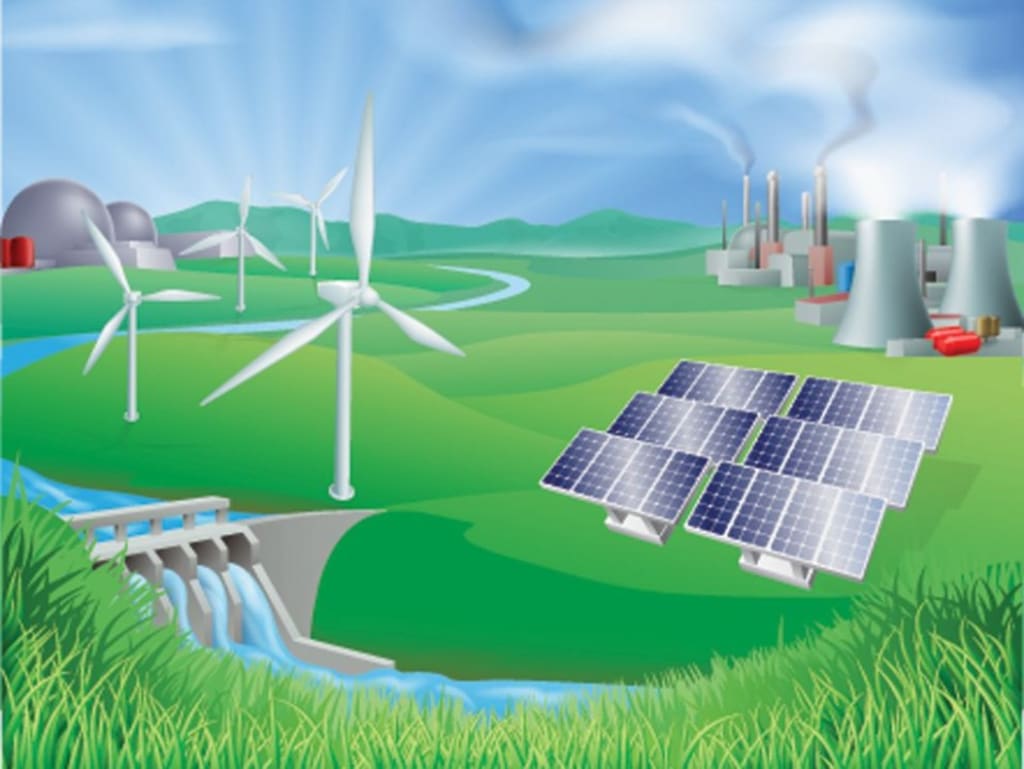
As the world shifts towards sustainable energy solutions, Pakistan stands at a critical juncture in its energy journey. With a growing population and increasing energy demands, the country faces significant challenges in meeting its power needs. However, the future of renewable energy in Pakistan looks promising, with substantial potential for growth and development.
Current Energy Landscape
Pakistan’s energy sector is predominantly reliant on fossil fuels, with a significant portion of electricity generated from natural gas and coal. This dependency not only depletes natural resources but also contributes to environmental pollution and climate change. The need for a transition to renewable energy sources is evident, and the government has recognized this, setting ambitious targets for renewable energy adoption.
Government Initiatives and Policies
The Alternative and Renewable Energy Policy 2019 outlines Pakistan’s commitment to increasing the share of renewable energy in the national grid. The policy aims to achieve 20% renewable energy by 2025 and 30% by 2030. These targets include solar, wind, hydro, and biomass energy projects. The government is also providing various incentives to attract investment in the renewable energy sector, including tax exemptions and streamlined approval processes.
1. Solar Energy: A Beacon of Hope
Solar energy has emerged as a key player in Pakistan’s renewable energy landscape. The country’s geographical location offers ample sunlight throughout the year, making it an ideal candidate for solar power generation. Residential, commercial, and industrial sectors are increasingly adopting solar panels to reduce electricity costs and reliance on the national grid.
The Quaid-e-Azam Solar Park in Bahawalpur is one of the largest solar power projects in Pakistan, with a capacity of 1,000 MW. Such large-scale projects are crucial for meeting energy demands and reducing the carbon footprint.
2. Wind Energy: Harnessing Nature’s Power
Wind energy is another promising avenue for Pakistan. The coastal regions of Sindh and Balochistan offer high wind speeds, suitable for wind power generation. The Gharo-Jhimpir wind corridor alone has the potential to generate up to 50,000 MW of electricity.
Several wind power projects are already operational, contributing to the national grid. Continued investment and development in this sector can significantly enhance Pakistan’s energy security.
3. Hydropower: Tapping into Water Resources
Pakistan’s topography and river systems provide excellent opportunities for hydropower generation. Small, medium, and large hydropower projects can collectively contribute to a sustainable energy mix. The construction of new dams and the rehabilitation of existing ones are crucial for optimizing hydropower potential.
4. Biomass Energy: Utilizing Agricultural Residues
Pakistan’s agricultural sector produces substantial biomass, which can be converted into energy. Biomass energy projects can provide a dual benefit of managing agricultural waste and generating electricity. This form of renewable energy is particularly beneficial for rural areas, promoting decentralized energy production.
-Challenges and Roadblocks
Despite the promising potential, the renewable energy sector in Pakistan faces several challenges. These include:
- Financial Constraints: High initial investment costs for renewable energy projects can be a deterrent.
- Regulatory Hurdles: Complex regulatory frameworks and bureaucratic delays can impede project implementation.
- Grid Infrastructure: Upgrading and expanding the national grid to accommodate renewable energy is essential but requires significant investment.
- Public Awareness: Educating the public and businesses about the benefits of renewable energy is crucial for widespread adoption.
The Road Ahead
The future of renewable energy in Pakistan is bright, with substantial opportunities for growth and development. By addressing the challenges and leveraging the country’s natural resources, Pakistan can transition towards a sustainable and resilient energy future.
Continued government support, international collaboration, and private sector investment are key to realizing the full potential of renewable energy. As an electrical engineer, I am excited to witness and contribute to this transformative journey. Together, we can build a greener, more sustainable Pakistan.
About the Creator
Hamza Ali Khan
An Electrical engineer blogging about engineering, technology, renewable energy, BMS, and storage solutions. He also shares insights on career growth and challenges in region. Join for expert analysis and coverage of these topics.
Keep reading
More stories from Hamza Ali Khan and writers in Education and other communities.
Smart Grid for Efficient Energy Distribution in Pakistan
Pakistan's energy sector faces numerous challenges, including inefficient distribution, transmission losses, and a lack of real-time monitoring. These issues result in frequent power outages, high electricity costs, and significant economic losses. Smart Grids offer a promising solution to these problems, enabling efficient energy distribution, reduced losses, and enhanced customer experience. This blog will explore the concept of Smart Grids, their benefits for Pakistan, key components, an implementation roadmap, and the challenges and solutions associated with their adoption.
By Hamza Ali Khan 2 years ago in Education
The Safety Net Navigating the Complexities of Portugal Health Insurance in 2026
Portugal has long been a destination of choice for its golden beaches and relaxed pace of life, but in 2026, it is also becoming a case study in healthcare resilience. The nation’s healthcare landscape is defined by a unique "Dual-Track" system where the publicly funded National Health Service (Serviço Nacional de Saúde - SNS) exists alongside a rapidly expanding and increasingly sophisticated private insurance market. As the population ages and digital health technologies become the norm, the role of private health insurance in Portugal has shifted from being a "luxury" to a "strategic necessity" for over 40% of the population. Understanding this ecosystem in 2026 requires looking past simple premiums and diving into the intersection of demographic shifts, regulatory reforms, and the high-tech future of medical care.
By Neeraj kumar7 days ago in Education
Inside IT Hardware Manufacturers & Parts Sourcing Platforms
Understanding how complex hardware ecosystems operate has long been a passion of mine especially where electronics, aerospace systems, and critical supply chains intersect. One part of that ecosystem that often gets overlooked is how IT hardware manufacturers and parts procurement platforms work together to keep everything running smoothly.
By Beckett Dowhana day ago in Education
A Love Forboding
The chipped stone slope caused unbearable footing. I slid, skirting on my heels. I cast my shield, relinquishing my guard to stay upright. Left with my double-edge and a prayer to the maker, I skated toward my objective. The earthly stubble gave way to solid ground. I found myself restored, a trail of dust in my wake.
By James U. Rizzi5 days ago in Fiction


Comments (4)
Nice article
Great Hamza!
So educative
Thanks for sharing it