
Smart Grid for Efficient Energy Distribution in Pakistan
Transforming the Energy Landscape
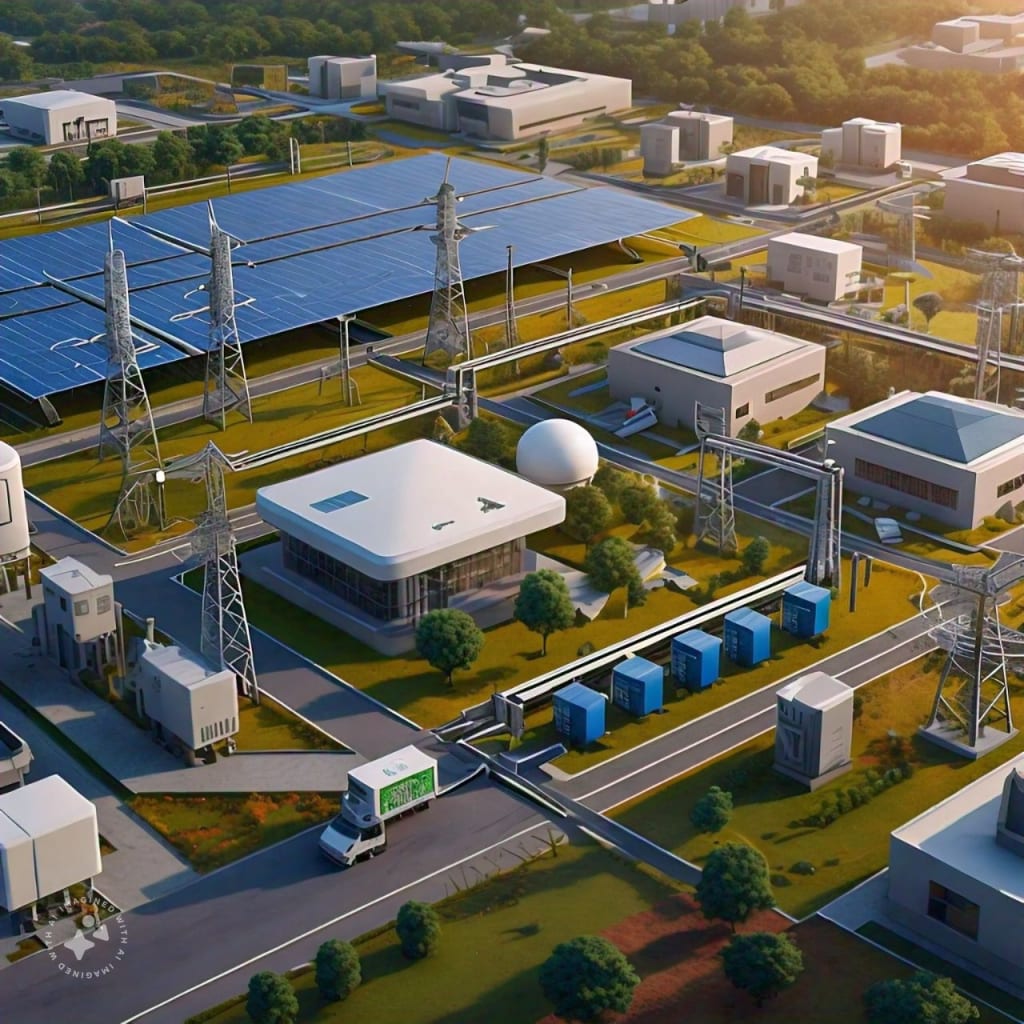
Pakistan's energy sector faces numerous challenges, including inefficient distribution, transmission losses, and a lack of real-time monitoring. These issues result in frequent power outages, high electricity costs, and significant economic losses. Smart Grids offer a promising solution to these problems, enabling efficient energy distribution, reduced losses, and enhanced customer experience. This blog will explore the concept of Smart Grids, their benefits for Pakistan, key components, an implementation roadmap, and the challenges and solutions associated with their adoption.
- What is a Smart Grid?
A Smart Grid is an advanced electrical grid that uses information and communication technology (ICT) to manage energy distribution in real-time. It integrates renewable energy sources, energy storage, and demand response systems to optimize energy efficiency and reduce waste. Unlike traditional grids, which operate on a one-way communication model, Smart Grids use a two-way communication system, allowing for real-time data exchange between utilities and consumers. This enables better decision-making, enhances grid reliability, and promotes energy conservation.
- Benefits of Smart Grids in Pakistan
1. Reduced Transmission Losses:
Transmission losses in Pakistan's energy sector are currently around 20%, primarily due to outdated infrastructure and inefficiencies. Smart Grids can significantly reduce these losses by optimizing the flow of electricity and minimizing wastage. Advanced sensors and automated control systems can detect and address issues promptly, ensuring a more efficient energy distribution network.
2. Real-time Monitoring:
Smart Grids employ advanced sensors and Internet of Things (IoT) devices that enable real-time monitoring of energy distribution. This allows utilities to swiftly identify and resolve issues such as outages, faults, and equipment failures. Real-time monitoring also helps in predictive maintenance, reducing the likelihood of unexpected breakdowns and enhancing the overall reliability of the grid.
3. Increased Renewable Energy Integration:
Pakistan has abundant renewable energy resources, including solar, wind, and hydropower. However, integrating these resources into the existing grid has been challenging due to their intermittent nature. Smart Grids can seamlessly integrate renewable energy sources into the main grid, ensuring a stable and reliable supply of electricity. By using advanced forecasting and energy management systems, Smart Grids can balance supply and demand, making the most of renewable energy.
4. Improved Customer Experience:
Smart Grids empower consumers by providing them with real-time information about their energy usage. Through smart meters and mobile applications, customers can monitor and control their energy consumption, leading to increased energy efficiency and cost savings. Additionally, Smart Grids enable dynamic pricing models, allowing consumers to benefit from lower electricity rates during off-peak hours.
5. Enhanced Energy Security:
Energy security is a critical concern for Pakistan, given the increasing threat of cyber-attacks on critical infrastructure. Smart Grids incorporate advanced cybersecurity measures to detect and respond to potential threats, ensuring the security and integrity of the energy network. By using encryption, intrusion detection systems, and secure communication protocols, Smart Grids can protect against cyber threats and enhance the resilience of Pakistan's energy infrastructure.
- Key Components of Smart Grids
1. Advanced Metering Infrastructure (AMI):
Smart meters are a crucial component of Smart Grids, measuring energy consumption in real-time and providing accurate data to both utilities and consumers. AMI enables remote meter reading, reducing the need for manual intervention and improving billing accuracy.
2. Communication Networks:
High-speed communication networks form the backbone of Smart Grids, enabling data exchange between smart meters, substations, and control centers. These networks use technologies such as fiber optics, wireless communication, and power line communication to ensure reliable and secure data transmission.
3. Data Analytics:
Advanced data analytics software plays a vital role in Smart Grids by analyzing energy usage patterns, detecting anomalies, and predicting future demand. By leveraging big data and machine learning algorithms, utilities can optimize energy distribution, reduce operational costs, and improve grid reliability.
4. Renewable Energy Integration:
Systems that integrate renewable energy sources into the main grid are essential for maximizing the use of clean energy. Smart Grids use advanced forecasting and energy management systems to balance supply and demand, ensuring a stable and reliable electricity supply from renewable sources.
5. Energy Storage Systems:
Energy storage systems, such as batteries, are critical for stabilizing the grid during peak demand or renewable energy fluctuations. By storing excess energy and releasing it when needed, energy storage systems enhance grid reliability and support the integration of renewable energy sources.
- Implementation Roadmap for Pakistan
1. Conduct a Feasibility Study:
The first step in implementing Smart Grids in Pakistan is to assess the existing energy infrastructure and identify areas for improvement. A comprehensive feasibility study will help determine the technical, economic, and regulatory requirements for Smart Grid deployment.
2. Develop a National Smart Grid Policy:
A clear and comprehensive policy framework is essential for the successful implementation of Smart Grids. The national Smart Grid policy should outline goals, objectives, and regulations, providing a roadmap for stakeholders to follow. This policy should also address issues related to funding, incentives, and public awareness.
3. Establish a Smart Grid Pilot Project:
Launching a pilot project in a specific region or city can help test Smart Grid technologies and identify best practices. The pilot project should involve collaboration between utilities, technology providers, and regulatory authorities to ensure a smooth implementation process.
4. Roll Out Smart Grids Nationwide:
Based on the lessons learned from the pilot project, the next step is to gradually expand Smart Grid implementation across Pakistan. This process should prioritize high-demand areas and focus on upgrading existing infrastructure to support Smart Grid technologies.
- Challenges and Solutions
1. Infrastructure Upgrades:
Upgrading the existing energy infrastructure to support Smart Grid technologies is a significant challenge. This requires substantial investment in modernizing substations, transmission lines, and distribution networks. Public-private partnerships and international funding can play a crucial role in addressing this challenge.
2. Cybersecurity:
As Smart Grids rely heavily on ICT, they are vulnerable to cyber-attacks. Implementing robust cybersecurity measures is essential to protect the grid from potential threats. This includes using encryption, intrusion detection systems, and secure communication protocols, as well as regular security audits and updates.
3. Public Awareness:
Educating consumers about the benefits of Smart Grids is crucial for their successful adoption. Public awareness campaigns, workshops, and community engagement initiatives can help inform consumers about the advantages of Smart Grids and encourage their participation in energy conservation efforts.
4. Regulatory Framework:
Developing a supportive regulatory framework is essential for encouraging investment in Smart Grids. This includes creating incentives for utilities and technology providers, establishing standards and guidelines, and ensuring a transparent and predictable regulatory environment.
- Conclusion
Smart Grids offer a transformative solution for Pakistan's energy sector, enabling efficient energy distribution, reduced losses, and enhanced customer experience. By following the implementation roadmap and addressing the associated challenges, Pakistan can unlock the full potential of Smart Grids and create a sustainable energy future. Embracing Smart Grid technology will not only improve the reliability and efficiency of the energy network but also contribute to the country's economic growth and environmental sustainability.
About the Creator
Hamza Ali Khan
An Electrical engineer blogging about engineering, technology, renewable energy, BMS, and storage solutions. He also shares insights on career growth and challenges in region. Join for expert analysis and coverage of these topics.
Keep reading
More stories from Hamza Ali Khan and writers in Education and other communities.
The Future of Renewable Energy in Pakistan
As the world shifts towards sustainable energy solutions, Pakistan stands at a critical juncture in its energy journey. With a growing population and increasing energy demands, the country faces significant challenges in meeting its power needs. However, the future of renewable energy in Pakistan looks promising, with substantial potential for growth and development.
By Hamza Ali Khan 2 years ago in Education
China Hair Care Industry Analysis Market Size, Trends, and CAGR (2026–2034)
For decades, the Chinese beauty market was dominated by skincare, but in 2026, the focus has shifted upward. The "Skinification of Hair" has turned the humble shampoo into a sophisticated multi-step ritual. Driven by a young, urban population facing high-stress levels and environmental pollutants, the China hair care market is currently on an explosive trajectory. The China hair care market was valued at USD 15,547.6 million in 2025 and is projected to reach USD 22,146.4 million by 2034. According to IMARC Group, the market is expected to grow at a compound annual growth rate (CAGR) of 4.01% from 2026 to 2034."
By Neeraj kumar2 days ago in Education
Why Companies Depend on Business Consultants During Periods of Major Change
Change has become a constant reality for businesses across industries. Organizations today must adapt to digital transformation, shifting customer expectations, economic uncertainty, regulatory changes, and internal restructuring. These transitions often require fast, high-impact decisions that influence long-term stability, profitability, and competitive advantage. Managing change effectively is no longer optional; it is a critical leadership responsibility.
By Nicole Metzabout 10 hours ago in Education


Comments (1)
It's a powerful one. If you wish you can subscribe me as I did to you!