
The Future of Money
How Our Relationship with Currency Is Being Rewritten
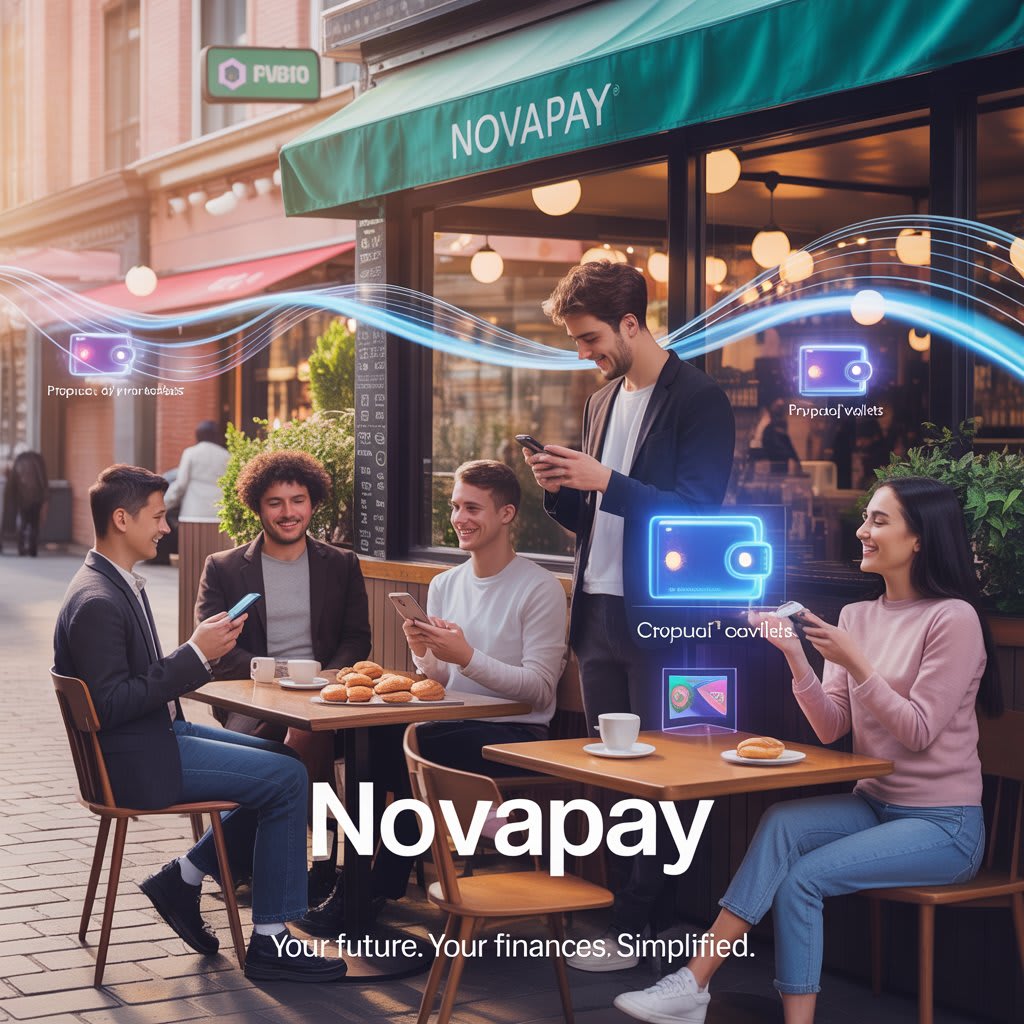
**From Paper to Digital: The Wallet That Lives in Your Phone**
“I haven’t used cash in over a year,” says Maya, a 32-year-old graphic designer in Singapore. Her phone is her bank, budget planner, and investment advisor—all in one. Like millions of others, Maya’s financial life fits in the palm of her hand.
Digital wallets like Apple Pay, Google Wallet, and various crypto wallets have become second nature for many. Tapping a phone to pay for a coffee or splitting a dinner bill with friends using an app is now more common than carrying cash or even a traditional credit card. In some places, going cashless isn’t just convenient—it’s expected.
Governments are also adapting to this shift. Central Bank Digital Currencies (CBDCs), which are official digital versions of national currencies, are being tested and rolled out in several countries. Designed to be fast, secure, and traceable, CBDCs aim to combine the reliability of fiat money with the speed of digital transactions. They also offer potential for more inclusive financial systems, especially for those who are underbanked or excluded from traditional banking.
But this isn’t just about convenience or cutting-edge technology—it’s about trust. “If my money’s invisible,” Maya laughs, “I need to really trust who’s holding it.” In a world where data breaches and cyber threats are real concerns, building and maintaining that trust is essential.
**Cryptocurrency: Still Wild, Still Changing Lives**
Remember when cryptocurrency was a fringe experiment for tech geeks and libertarians? That’s no longer the case. Digital currencies like Bitcoin and Ethereum are now being used for everything from cross-border payments and remittances to online shopping and even paying freelancers.
In countries with unstable currencies, crypto has become more than a trend—it’s a financial lifeline. Take Daniel, a freelance developer in Argentina. “When the peso started to crash again,” he says, “I moved my savings into stablecoins. It wasn’t about getting rich. It was about protecting what I earned.” For Daniel, and many like him, decentralized digital assets provide a form of financial stability that local currencies often cannot.
Despite its volatility and regulatory uncertainty, the human impact of cryptocurrency is undeniable. It’s giving individuals more control over their finances—especially in regions where the traditional financial system has failed or become unreliable.
**AI and Money: Smart Spending Meets Emotional Intelligence**
In 2025, your bank might know you better than your best friend. AI-driven financial tools are evolving rapidly, offering users a level of insight and support that was unthinkable just a decade ago.
These tools can track spending habits, categorize expenses, suggest personalized budgets, and even send timely nudges when users are about to overspend. Some apps are beginning to integrate behavioral psychology to help users understand the emotional drivers behind their financial decisions. Others go a step further, using predictive analytics to suggest optimal savings goals or identify risky spending patterns.
But all this raises a key question: When money advice comes from an algorithm, is it still your decision?
Sophie, a 26-year-old teacher in London, thinks so. “My app doesn’t make choices for me—it just makes me pause. And sometimes, that’s enough to make a better one.” In many cases, AI isn’t about replacing human judgment but enhancing it.
**The New Currency: Time, Attention, and Values**
Perhaps the most radical transformation isn’t technological at all. It’s philosophical.
Younger generations, especially Gen Z, are shifting their understanding of value. They’re spending less on physical possessions and more on experiences, well-being, and community. They’re also choosing to invest in brands and companies that align with their ethics—whether it’s sustainability, social justice, or transparency.
As money becomes more digital and abstract, what it *represents* becomes more personal. Time, attention, and values are emerging as new forms of currency—ones that are shaping how people live, spend, and save.
**What the Future Really Holds**
So, what does this all mean for the future?
It means our financial lives will become more automated, but also more personalized. It means we’ll rely heavily on technology, but still crave human judgment, connection, and stories. The future of money isn’t just faster or smarter—it’s more emotional. More ethical. And ultimately, more reflective of who we are than just what we have.
Because in the end, money has always been about trust—and the people and systems we choose to trust with it.
About the Creator
Keep reading
More stories from CodeCraft By Rashid and writers in Education and other communities.
Unlock Your Brain’s Hidden Potential with The Genius Wave: Can 7 Minutes a Day Really Change Everything?
In a world where mental performance often defines success, the desire to unlock our full cognitive potential has never been stronger. Whether you’re an entrepreneur juggling multiple tasks, a student struggling with focus, or a creative professional chasing inspiration, the ability to think clearer, learn faster, and solve problems more effectively can be a total game changer.
By CodeCraft By Rashid8 months ago in Psyche
Python vs Rust Performance: Speed, Memory Usage, and Scalability Explained
When developers compare programming languages, performance is often one of the most debated factors. Two languages that frequently come up in these discussions are Python and Rust. While both are powerful in their own ways, they approach performance, memory management, and scalability very differently. This makes the Python vs Rust comparison especially relevant for teams choosing the right technology for their next project.
By Lennox Grayabout 8 hours ago in Education
Miss Persephone's Manual to a Seemingly Ordinary Life
Miss Persephone was found at the dining table, her blue eyes swollen, her tears arriving and retreating like the tides of the ocean. Earlier that day, her family had visited her in the retirement home where she had lived for eight years. It was her eightieth birthday.
By Imola Tótha day ago in Fiction



Comments
There are no comments for this story
Be the first to respond and start the conversation.