
The Future of Exams with AI
How Intelligent Systems Ensure Fair Assessments

Introduction
The integration of artificial intelligence (AI) into educational assessments is revolutionizing the way exams are conducted and evaluated. Traditional assessment methods have long been criticized for their limitations, such as their inability to fully capture a student's understanding and skills, and their lack of adaptability to different learning styles and paces. AI, however, offers a transformative approach to assessments, enhancing fairness, personalization, and efficiency.
AI-Powered Proctoring and Cheating Prevention
One of the most significant applications of AI in exams is in proctoring and preventing cheating. AI systems equipped with machine vision and behavior analysis tools can monitor students' actions and behaviors during online assessments. These systems can detect unusual behaviors, such as looking away from the screen for extended periods or moving away from the camera, and flag them for review. Additionally, AI can analyze audio and video feeds to identify potential cheating signals, such as unauthorized conversations or background noises. This advanced monitoring ensures the integrity of the assessment process, even in remote settings.
Automated Scoring and Feedback
AI has revolutionized the scoring process by enabling automated evaluation of student responses. For objective assessments, AI can instantly and accurately score answers, providing detailed performance analytics. In subjective tasks like essay writing, AI uses natural language processing to analyze content, structure, grammar, and coherence, offering valuable feedback while saving teachers hours of manual grading time. This automated scoring not only improves efficiency but also ensures consistency and objectivity in evaluation.
Dynamic and Adaptive Testing
AI enables the creation of dynamic and adaptive tests that adjust to each student's ability level in real-time. Unlike traditional static exams, AI-powered assessments can modify question difficulty based on student performance, ensuring that each student is challenged appropriately. This adaptability allows for a more precise measurement of student knowledge and skills, providing a fairer assessment of their capabilities. Furthermore, AI can generate a diverse set of questions based on specific learning objectives and curricula, ensuring comprehensive coverage of the material.
Personalized Assessment Experiences
AI systems can tailor assessments to individual learning styles and preferences. For visual learners, assessments might include more diagrams, charts, and videos, while auditory learners could receive questions with audio instructions or spoken content. This personalization ensures that students are assessed in ways that best suit their learning strengths, promoting a more inclusive and equitable evaluation process.
Real-time Interaction and Support
AI-powered chatbots and virtual assistants can engage students in real-time conversations during assessments, providing clarifications and support when needed. These intelligent agents can answer questions about the test format, instructions, or technical issues, reducing student anxiety and ensuring a smoother testing experience. Additionally, they can offer motivational messages and encouragement, fostering a positive assessment environment.
Data-Driven Insights for Fair Evaluation
AI collects and analyzes vast amounts of data on student performance, identifying patterns and trends that human evaluators might miss. This data-driven approach helps educators understand the effectiveness of their teaching methods and identify areas where students may need additional support. It also allows for the detection of potential biases in assessment questions, ensuring that exams are fair and unbiased.
Conclusion
The future of exams with AI promises a more fair, efficient, and personalized assessment experience for students. By leveraging AI's capabilities in proctoring, scoring, adaptive testing, and data analysis, educators can create assessments that truly reflect student learning and capabilities. However, it is essential to balance the use of AI with human oversight and ethical considerations to ensure that these technologies enhance rather than replace the human elements of education. As AI continues to evolve, it holds the potential to transform assessments into tools that not only evaluate knowledge but also support student growth and development.
Recommended books
Genesis: Artificial Intelligence, Hope, and the Human Spirit
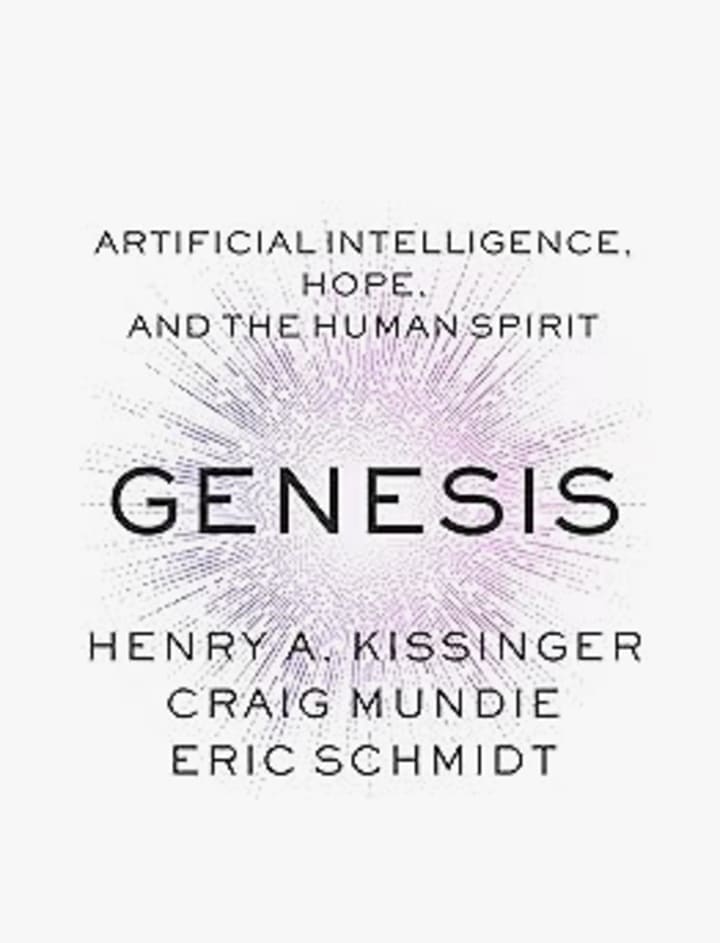
As Artificial Intelligence (AI) becomes more dynamic and ubiquitous, it is dramatically empowering people in all walks of life while also giving rise to urgent questions about the future of humanity—a historic challenge whose contours and consequences are revealed by three eminent thinkers in Genesis.
About the Author: With over a decade of experience as an internet product architect, I’ve spent my career crafting innovative application solutions that bridge technology and real-world needs. Now, as a passionate advocate for artificial intelligence, I focus on exploring its transformative applications. I’m committed to pushing the boundaries of AI to empower lives and shape a smarter future. Join me on this exciting journey as we uncover the endless possibilities of intelligent technology.
About the Creator
roc chiang
I'm a tech enthusiast and entrepreneur based in Vancouver. I share original articles on technology, business and other related topics on social media to showcase my passion and insights.
Editor-in-Chief:fengtou.ca
Keep reading
More stories from roc chiang and writers in Education and other communities.
Regulating AI: The Global Challenge Ahead
Introduction The rapid advancement of artificial intelligence (AI) has sparked intense global debate about its regulation. While AI promises unprecedented benefits across industries, it also raises significant ethical, social, and economic concerns. This article examines the growing need for AI regulation and explores emerging global trends in this complex landscape.
By roc chiang10 months ago in Education
Digital Signage Solutions Supporting Communication in Schools
I still remember the chaos of my first week as a communications coordinator at a mid-sized university. Between emergency alerts that never reached students, event posters peeling off bulletin boards, and faculty members who couldn't find the right room for meetings, I realized our campus communication system was stuck in the 1990s. That experience changed how I think about information flow in educational settings.
By Jerry Kane 7 days ago in Education
Invisible Radiation in Everyday Life
We live in a world powered by invisible signals. From the moment you wake up and check your phone, to working on a laptop, connecting to WiFi, using Bluetooth earbuds, or scrolling before bed—your body is constantly surrounded by electromagnetic fields (EMFs). They’re an unavoidable part of modern life, yet most people rarely stop to think about how continuous exposure may affect their energy, sleep, focus, and overall well-being.
By Inamullah Momand 7 days ago in Education



Comments
There are no comments for this story
Be the first to respond and start the conversation.