
The Future of Artificial Intelligence
"How AI is Reshaping Our Lives, Work, and the World"
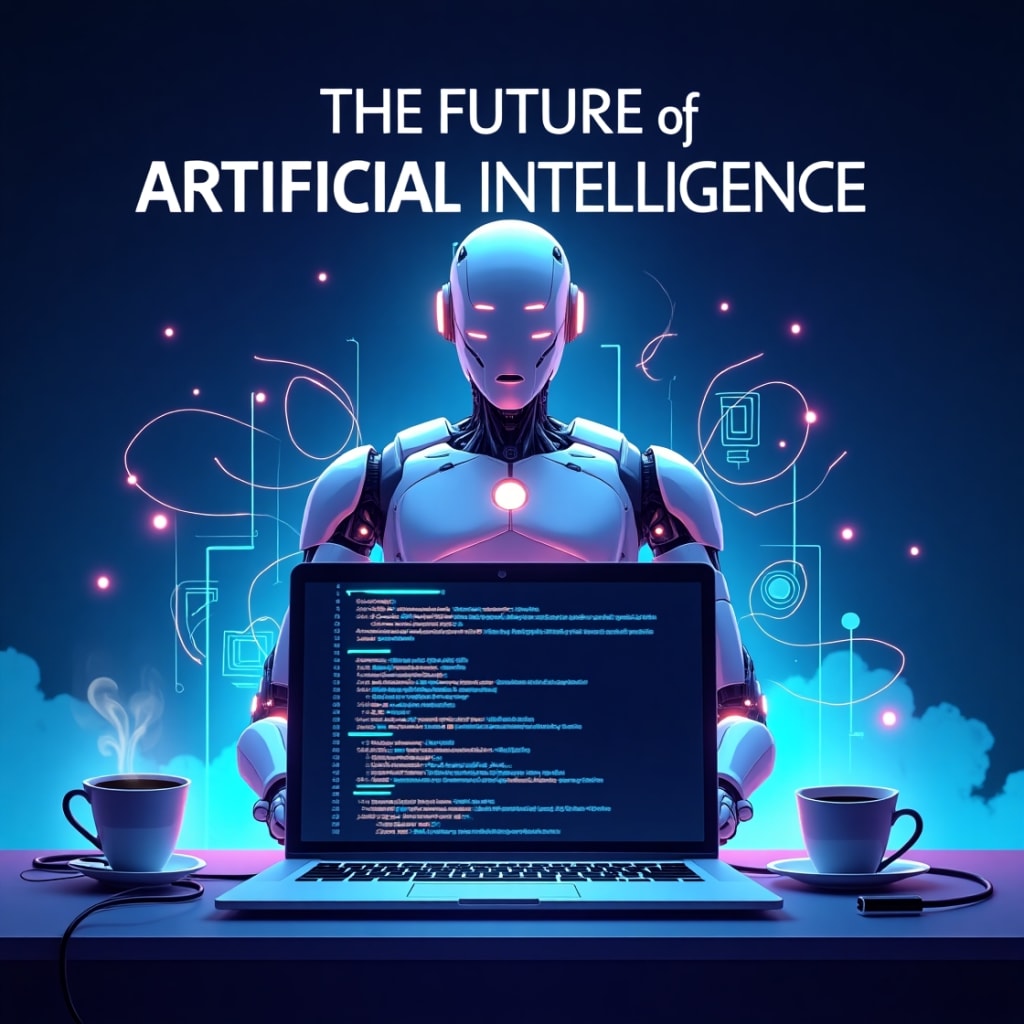
Artificial Intelligence (AI) is no longer the stuff of science fiction—it's here, and it's rapidly transforming the way we live, work, and think. From voice assistants like Siri and Alexa to advanced machine learning algorithms that power self-driving cars and diagnose diseases, AI is becoming an essential part of modern life. But what does the future hold for this powerful technology?
The Rise of Everyday AI
In recent years, AI has grown from a niche research field into a tool used by millions of people every day. It powers recommendations on Netflix and YouTube, personalizes your shopping experience on Amazon, and even filters spam from your email inbox. Behind the scenes, AI is helping businesses analyze vast amounts of data to make smarter decisions and improve customer service through chatbots and virtual assistants.
The more we interact with AI, the more it learns. Thanks to machine learning, AI systems can now adapt to user behavior and make decisions based on previous experiences. This ability to "learn" from data allows AI to constantly improve, making it an increasingly important tool across industries.
AI in the Workplace
One of the most profound impacts of AI is in the world of work. Automation is already replacing repetitive and manual tasks, especially in manufacturing, logistics, and customer service. AI tools can analyze complex data sets faster than any human, offering insights that can lead to better business strategies.
However, this progress raises important questions. Will AI replace human jobs? According to experts, AI will eliminate some jobs but also create new ones. For example, while factory workers may be replaced by robots, there is a growing demand for AI developers, data scientists, and cybersecurity experts. The key will be preparing workers for this transition through training and education.
In the future, many jobs may involve working with AI rather than being replaced by it. Imagine a doctor using AI to quickly scan medical images or a lawyer using an AI-powered assistant to review contracts. In such cases, AI acts as a support system rather than a replacement.
AI in Healthcare and Education
AI has the potential to revolutionize healthcare. Algorithms can now detect diseases like cancer and diabetic retinopathy with impressive accuracy. AI systems can analyze thousands of medical records to find patterns, predict outbreaks, and personalize treatment plans for individual patients. In emergency situations, AI-powered robots and drones could assist in delivering medical supplies or even conducting basic procedures.
In education, AI is making personalized learning a reality. Intelligent tutoring systems can adapt to each student's pace, strengths, and weaknesses, offering a more tailored educational experience. AI can also help teachers by automating administrative tasks and identifying students who need additional support.
Ethical Challenges and Concerns
With all its benefits, AI also comes with significant ethical concerns. As AI systems become more autonomous, who is responsible if something goes wrong? What happens if a self-driving car causes an accident? How do we ensure AI systems don’t reflect or amplify human biases?
One major concern is data privacy. AI relies on large datasets, often collected from users without their full understanding. Misuse of this data could lead to manipulation, discrimination, or surveillance. Governments and tech companies must work together to ensure that AI is developed and used responsibly, with transparency and accountability.
There’s also the fear of AI becoming too powerful. Some experts, including Elon Musk and the late Stephen Hawking, warned about the potential dangers of superintelligent AI systems. While that scenario may be decades away, it’s crucial to set ethical boundaries now to prevent misuse in the future.
What Lies Ahead?
Looking ahead, AI will continue to evolve at an astonishing pace. We may soon see more advanced AI in areas like criminal justice, climate prediction, and space exploration. Cities could become “smart” with AI managing traffic flow, energy use, and emergency responses. AI could also help tackle global challenges like poverty, disease, and climate change.
The success of this future depends on how we choose to guide AI development. If we focus on building fair, inclusive, and transparent systems, AI could be one of humanity’s greatest tools. But if we ignore the risks and ethical dilemmas, we could face serious consequences.
Conclusion
The future of artificial intelligence is both exciting and uncertain. It holds the promise of improving our lives in countless ways, but it also challenges us to rethink how we work, learn, and interact with technology. As we move forward, it’s important to stay informed, ask critical questions, and ensure that AI serves the greater good of society.
Whether we view AI as a tool, a partner, or a potential threat, one thing is clear: its future is deeply intertwined with our own.
About the Creator
MUHAMMAD YOUSAF
BE SMILE AND BE CAREFUL
Keep reading
More stories from MUHAMMAD YOUSAF and writers in Education and other communities.
the Golden Age of Islam
Between the 8th and 14th centuries, the Islamic world experienced a remarkable flourishing of knowledge, creativity, and scientific advancement. Known as the Golden Age of Islam, this period saw the rise of scholars, philosophers, physicians, astronomers, and engineers whose contributions transformed the world and laid the foundations for modern science, medicine, mathematics, and philosophy. The legacy of this golden era continues to inspire scholars and thinkers around the globe.
By MUHAMMAD YOUSAF10 months ago in History
How Ramen Enthusiasts Around the World Perfect the Art of Slurping
Ramen is more than noodles in broth. For ramen enthusiasts, it is a full experience that uses sound, timing, and focus. Across the world, people who love ramen share slurping habits that may look simple but carry deep meaning. Slurping is not an accident or bad manners. It is a learned skill that improves flavor and enjoyment. This article explores how ramen enthusiasts slurp, why it matters, and how this habit connects cultures everywhere.
By Table to Stix Ramenabout 17 hours ago in Education
Building Risk-Ready Organizations Through Holistic Planning
In today’s volatile and interconnected business world, risk can emerge from virtually any direction. Economic instability, supply chain disruptions, cyber threats, or shifting regulations can affect operations in ways that ripple across departments and geographies. To manage these challenges effectively, organizations must move beyond traditional, siloed risk management tactics. Holistic planning offers a forward-thinking alternative by integrating risk awareness into every layer of an organization’s structure and strategy.
By James Burlesona day ago in Education



Comments
There are no comments for this story
Be the first to respond and start the conversation.