
The Future is Now: How Emerging Technologies Are Transforming Our Lives
Exploring the transformative impact of AI, 5G, IoT, and other technological advancements on industries and daily life.
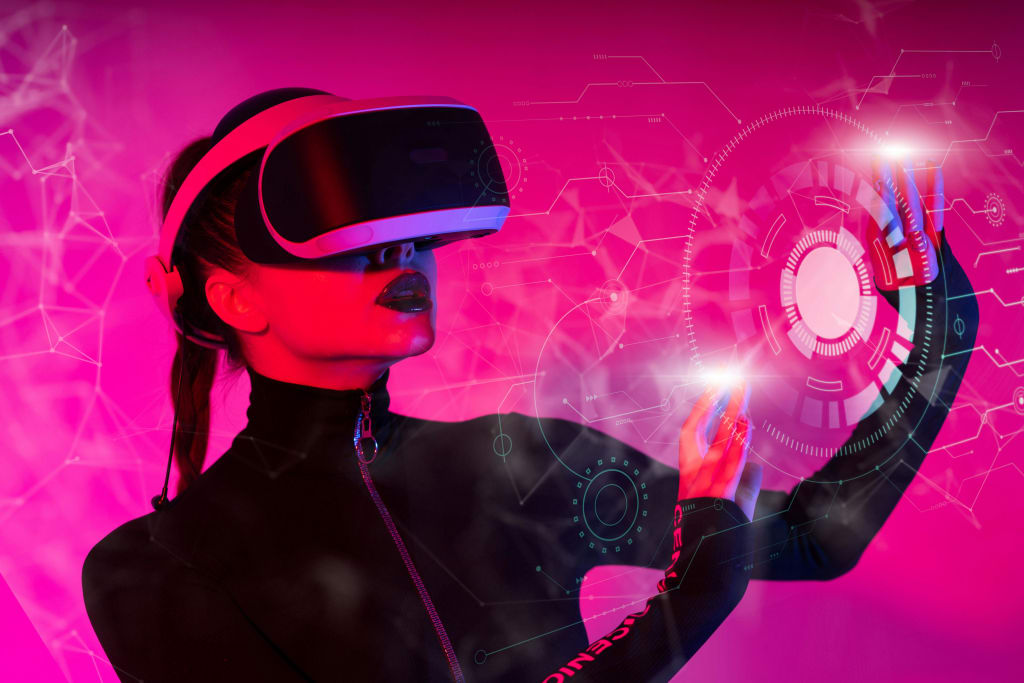
In an age where technological advancements are accelerating at an unprecedented pace, the world is witnessing transformative shifts that are redefining the way we live, work, and interact. Innovations like artificial intelligence (AI), 5G connectivity, and blockchain technology are no longer futuristic concepts—they are deeply integrated into our daily lives, reshaping industries and creating new possibilities. This article explores the profound impact of these advancements and delves into the trends driving this technological revolution.
The Unstoppable Rise of Artificial Intelligence
At the forefront of the technological landscape is artificial intelligence (AI), a force that has permeated nearly every industry. AI systems are capable of learning from vast amounts of data, making decisions, and solving complex problems with minimal human intervention. From healthcare to finance, AI-powered solutions are enhancing efficiency and accuracy in unprecedented ways.
In healthcare, for instance, AI-driven diagnostic tools are helping doctors detect diseases like cancer earlier and more accurately. Similarly, in finance, machine learning algorithms are used to detect fraudulent transactions, saving companies billions of dollars annually. The growth of AI is undeniable; by 2025, the global AI market is expected to surpass $190 billion. Despite its advantages, AI does not come without challenges. Concerns over job automation and biases in algorithmic decision-making highlight the need for ethical guidelines and responsible development as we move toward a more AI-driven future.
5G: Connecting the World in Real Time
The rollout of 5G technology marks a major leap forward in connectivity, offering ultra-fast internet speeds, low latency, and the ability to connect millions of devices simultaneously. This next-generation network has the potential to unlock a wave of innovation across various sectors. For example, autonomous vehicles rely heavily on real-time data communication, which 5G enables seamlessly. Similarly, smart cities—where interconnected devices regulate everything from traffic lights to energy consumption—are becoming a reality, powered by this advanced connectivity.
However, the implementation of 5G is not without its hurdles. The high cost of infrastructure and regulatory challenges in some regions have slowed its adoption. Even so, the global 5G market is projected to grow exponentially, reaching a valuation of $667.95 billion by 2026. As this technology matures, its ability to revolutionize communication and enable new applications will continue to expand.
The Internet of Things: A Connected Ecosystem
The Internet of Things (IoT) is another groundbreaking innovation transforming how we interact with technology. IoT refers to a network of physical devices—ranging from home appliances to industrial machinery—that collect and exchange data. This interconnected ecosystem is driving efficiency and innovation across numerous industries.
In manufacturing, IoT sensors are used to monitor equipment performance in real time, reducing downtime and increasing productivity. In healthcare, wearable devices track patients' vital signs and share data with medical professionals for better treatment outcomes. Yet, as more devices become connected, concerns about cybersecurity grow. The surge in IoT adoption has been accompanied by an increase in cyberattacks targeting these systems. Despite these challenges, the IoT market is expected to reach a staggering $1.6 trillion by 2025, solidifying its role in shaping the future.
Blockchain: Beyond Cryptocurrency
While blockchain technology is often associated with cryptocurrencies like Bitcoin, its applications extend far beyond digital currencies. Blockchain offers a decentralized, secure, and transparent way to record transactions, making it invaluable in industries like finance, supply chain management, and healthcare.
For instance, blockchain can ensure the authenticity of products in global supply chains or safeguard medical records, preventing unauthorized access or tampering. However, challenges such as high energy consumption and scalability issues hinder widespread adoption. By 2025, the blockchain market is expected to grow to $39.7 billion, and its potential to enhance transparency and trust in digital systems remains immense.
The Era of Immersive Experiences
Augmented reality (AR) and virtual reality (VR) are transforming how we experience the world. AR overlays digital elements onto the real world, while VR immerses users in entirely virtual environments. These technologies are no longer limited to gaming—they are finding applications in industries like real estate, education, and healthcare.
Imagine touring a potential new home from the comfort of your current one using VR or learning complex surgical procedures through AR-guided simulations. The possibilities are endless, and as the hardware becomes more accessible, adoption rates will continue to rise. By 2025, the AR/VR market is projected to reach $29.2 billion, driven by advancements in 5G and hardware innovation.
Edge Computing: A New Frontier in Data Processing
As the amount of data generated globally increases, edge computing is emerging as a vital technology. Unlike traditional cloud computing, which processes data in centralized data centers, edge computing brings processing closer to the data source. This approach reduces latency and bandwidth issues, making it essential for applications like self-driving cars and industrial automation.
For example, a self-driving car needs to process vast amounts of data in real time to make split-second decisions. Edge computing enables this by processing the data locally rather than relying on distant servers. While the infrastructure required for edge computing can be costly and complex, its potential to revolutionize industries is undeniable. The market for edge computing is expected to grow from $4 billion in 2020 to $15.7 billion by 2025.
The Path Toward Sustainability
In response to growing environmental concerns, sustainable technology is becoming a key focus for many industries. Innovations in renewable energy, recycling, and green manufacturing processes are reducing the environmental impact of technology while driving economic growth.
For instance, solar panels and wind turbines are increasingly being used as alternatives to fossil fuels. In manufacturing, companies are adopting green processes that minimize waste and energy consumption. However, scaling these technologies to meet global demands remains a challenge. The sustainable technology market is projected to grow to $36.6 billion by 2027, highlighting the importance of balancing innovation with environmental responsibility.
A Future Defined by Innovation
These technological advancements represent just the tip of the iceberg. From quantum computing to robotic process automation (RPA) and human augmentation, innovation continues to push boundaries and redefine possibilities. Quantum computing, for example, has the potential to revolutionize industries like cryptography and drug discovery, while RPA is automating repetitive tasks, allowing employees to focus on higher-value work.
As we navigate this era of rapid change, it is crucial to address the ethical and practical challenges that accompany these innovations. Questions about data privacy, job displacement, and access to technology must be addressed to ensure a future that benefits all.
The pace of technological progress shows no signs of slowing down. With advancements like AI, IoT, and blockchain leading the charge, the future promises to be one of unparalleled possibilities. Embracing these trends will not only drive innovation but also shape a more connected, efficient, and sustainable world. The question is, are you ready to be part of this transformation?
About the Creator
Keep reading
More stories from Minh An 1412 and writers in Education and other communities.
The Future is Here: Exploring Revolutionary Technologies
In the ever-evolving landscape of science and technology, humanity continues to push boundaries, unlocking possibilities once thought to exist only in science fiction. From manipulating matter at the nanoscale to redefining connectivity and robotics, groundbreaking innovations are shaping our future in extraordinary ways. These advancements, though diverse, share a common goal: to enhance human potential, transform industries, and create a more sustainable world.
By Minh An 1412about a year ago in Education
Canadian Work Permit 2026: Check If You Qualify to Work in Canada
Canada continues to be one of the top destinations for foreign workers, offering competitive salaries, a strong economy, and an excellent quality of life. With new immigration adjustments expected in 2026, understanding Canada’s work permit system has become more important than ever.
By Ayesha Lashari3 days ago in Education




Comments
There are no comments for this story
Be the first to respond and start the conversation.