
The Forgotten City of Herculaneum- Remnant From Mountain Vesuvius Eruption
The ancient roman city, Herculaneum

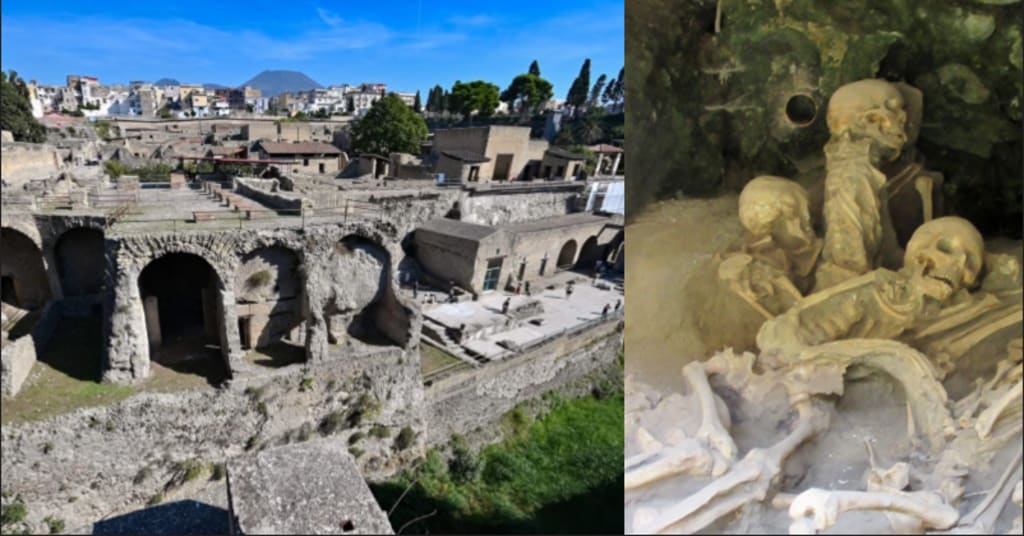
Herculaneum was an ancient Roman town located near the Bay of Naples in Italy. It was established in the 4th century BC and was a popular seaside resort for wealthy Romans. The town was destroyed along with Pompeii and Stabiae by the eruption of Mount Vesuvius in 79 AD.
Herculaneum was buried under volcanic ash and pumice for almost 1700 years until it was rediscovered in the 18th century. Today, it is a UNESCO World Heritage Site and a popular tourist destination.
The Eruption of Mount Vesuvius and its Impact on Herculaneum
The eruption of Mount Vesuvius was a catastrophic event that had a profound impact on the town of Herculaneum. The eruption occurred on August 24, 79 AD, and lasted for two days.
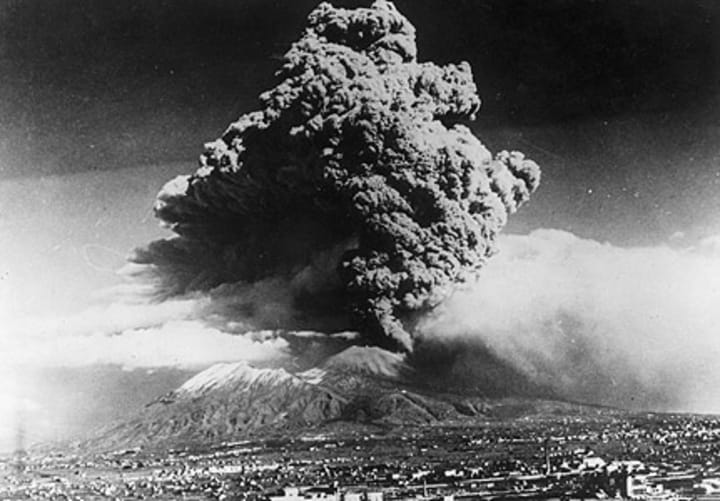
It is estimated that the eruption released 100,000 times the thermal energy of the atomic bomb dropped on Hiroshima in 1945. The eruption caused a pyroclastic flow, which is a fast-moving cloud of hot gas and volcanic material that can reach speeds of up to 700 km/h. This flow buried Herculaneum under 20 meters of volcanic material, preserving the town for almost 1700 years.
Rediscovery of Herculaneum: Excavation and Preservation
Herculaneum was rediscovered in the 18th century when workers digging a well accidentally unearthed the ancient city. Excavations began in 1738, and since then, much of the town has been uncovered.
The excavation of Herculaneum has been a challenging task due to the complexity of the site and the delicate nature of the artifacts.
The volcanic material that buried the town has also helped to preserve it, but it has also made the excavation process more difficult. Today, the site is carefully managed to ensure its preservation for future generations.
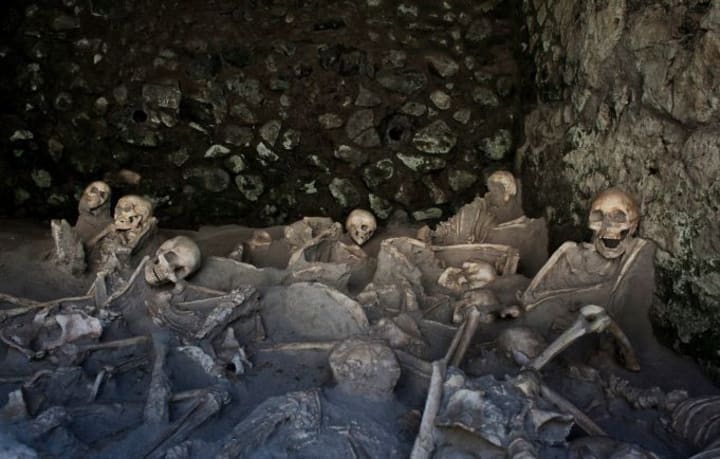
In a remarkable discovery, archaeologists in the Bay of Naples have uncovered the remains of over 300 people who were attempting to escape the catastrophic eruption.
The team of archaeologists discovered the remains of over 300 inhabitants who had been killed by a surge of boiling volcanic materials on what was once the beach of the ancient Roman city of Herculaneum.
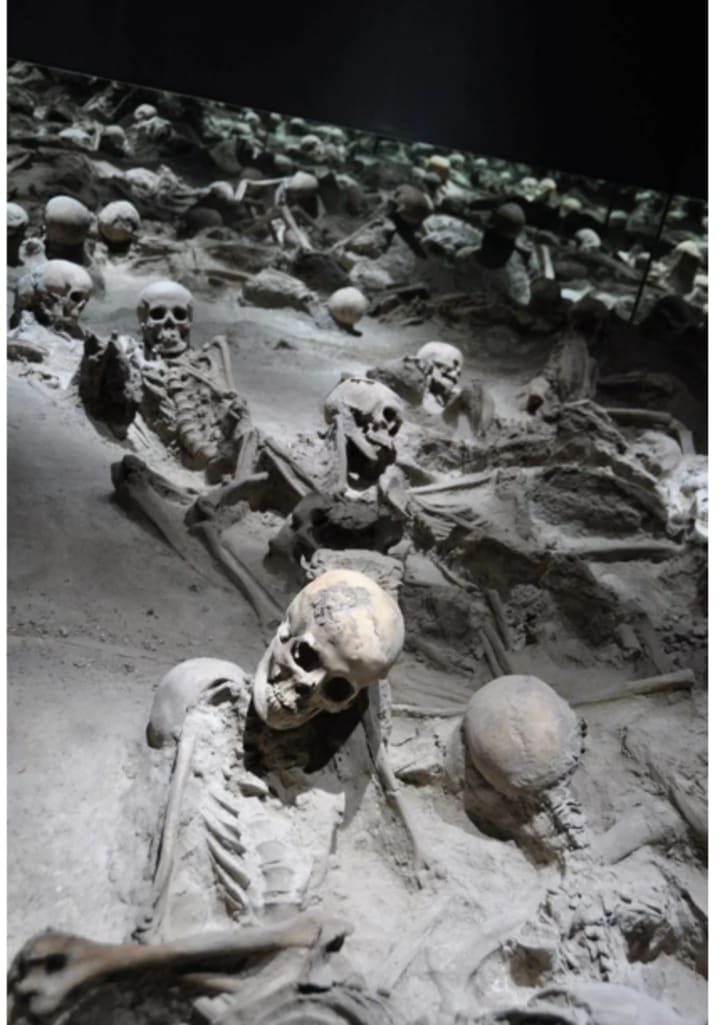
Based on analyses of the skeletons, it appears that it was primarily men who perished on the beach, while women and children sought refuge in the boat houses and met a similar fate.
Architecture and Urban Planning of Herculaneum
The architecture and urban planning of Herculaneum provide insights into ancient Roman life. The town was built on a grid system, with streets and buildings arranged in a logical and organized manner.
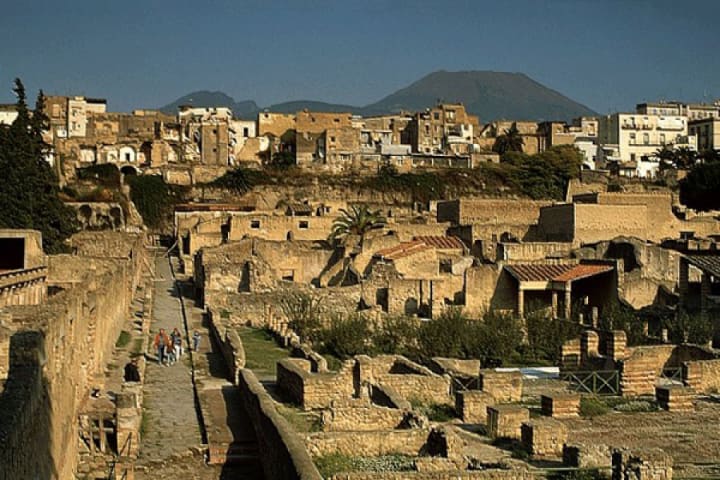
The buildings were made of brick and stone, and many of them had ornate decorations and frescoes. The town also had public buildings, such as a theater and a forum, which were used for social and political events. The homes of the wealthy Romans were also decorated with lavish gardens and fountains.
Art and Artifacts of Herculaneum
The art and artifacts of Herculaneum have provided valuable insights into ancient Roman life. The town was buried under volcanic material, which preserved many of its artifacts, including sculptures, pottery, and jewelry.
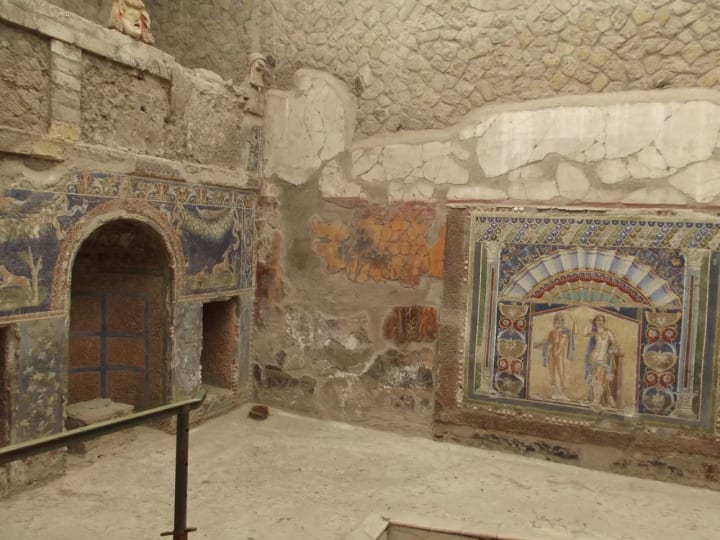
The frescoes that adorned the walls of the buildings have also been preserved, providing a glimpse into the artistic style of ancient Rome. These artifacts have been studied by archaeologists and historians, providing valuable information about the daily life of the people who lived in Herculaneum.
Daily Life in Herculaneum
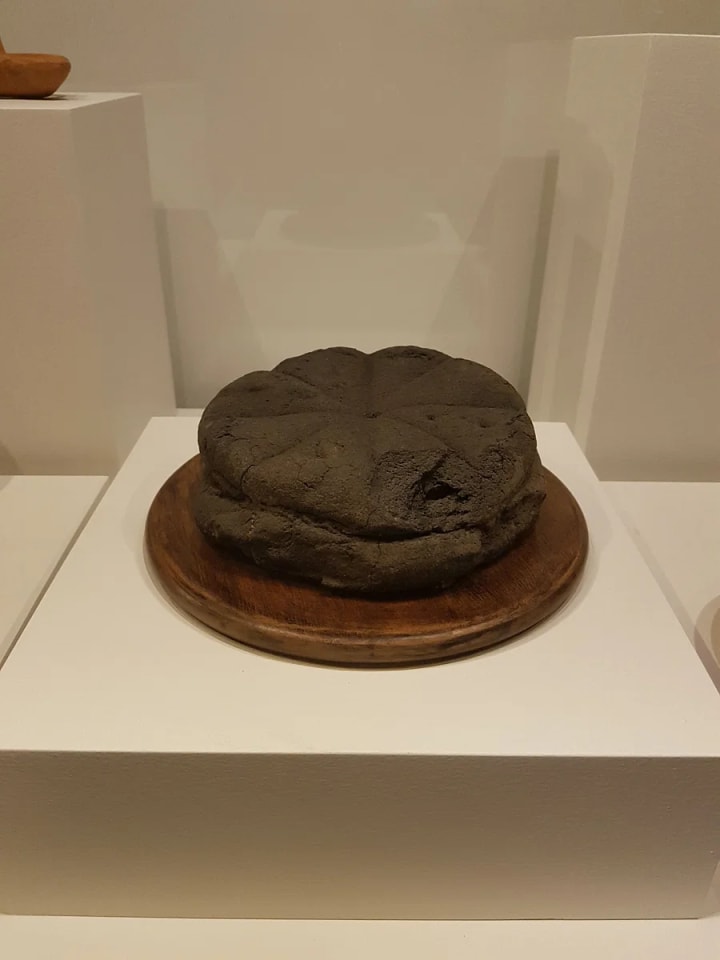
The artifacts that have been uncovered in Herculaneum provide valuable insights into the daily life of its inhabitants.
The food that was eaten by the wealthy Romans was often served on elaborate plates and dishes, and included a variety of meats, fish, and fruits. Clothing was also an important aspect of daily life, and the wealthy Romans would often wear elaborate and expensive clothing made from fine fabrics.
Social customs were also an important aspect of life in Herculaneum, and the town had a strict social hierarchy that was based on wealth and social status.
About the Creator
Rare Stories
Our goal is to give you stories that will have you hooked.
This is an extension of the Quora space: Rare Stories
X(formerly Twitter): Scarce Stories
Writers:
....xoxo
Keep reading
More stories from Rare Stories and writers in Education and other communities.
From Despair to Hope: How Animal Rescue Efforts Rebuild Broken Lives
Animal rescue efforts stand as a powerful response to suffering that often goes unseen. Across towns, cities, and rural areas, animals face neglect, abandonment, injury, and fear every day. Many are left without food, shelter, or medical care. Others are harmed by abuse or natural disasters. Without help, their future is uncertain. Through patience, care, and action, animal rescue efforts transform despair into hope and give animals the chance to heal and live safely.
By Brenda McGrane6 days ago in Education




Comments
There are no comments for this story
Be the first to respond and start the conversation.