
The Feng Shui of 2025: Insights into the Year of the Wood Snake
Unveiling the Qi Dynamics and Zodiac Characteristics of the Year of the Snake

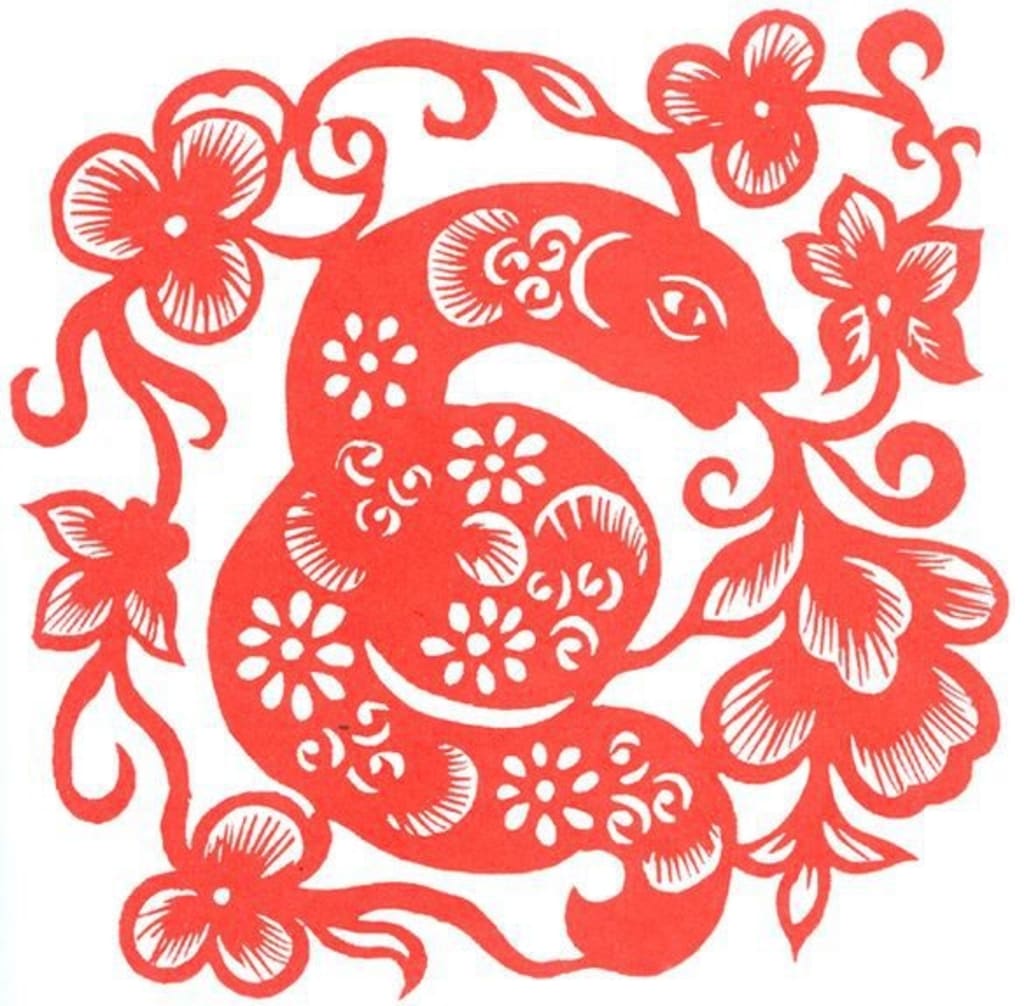
In the Chinese lunar calendar, 2025 is the Year of the Snake, one of the twelve animals in the Chinese Zodiac. While many people worldwide are familiar with the Chinese Zodiac, few know the reason behind the deep fondness Chinese people have for the Zodiac and the powerful culture it has created. The answer lies in Feng Shui.
In this blog, we’ll explore three key concepts of the Chinese Zodiac and its Feng Shui meanings.
1. What Are the Feng Shui Meanings of the Zodiac?
In Chinese culture, Qi (vital life energy) is an important foundational concept. This Qi is divided into two categories:
• Heavenly Qi: Energy from the universe, represented by ten elements known as the Ten Heavenly Stems (Shi Tian Gan, 十天干).
• Earthly Qi: Energy from the Earth, represented by twelve elements known as the Twelve Earthly Branches (Shi Er Di Zhi, 十二地支), which correspond to the twelve Zodiac animals.
The combination of the Heavenly Stems and Earthly Branches forms a comprehensive energy system essential to Feng Shui. It embodies the concept of time-space energy dynamics that influence the Earth and all living beings.
For example, 2025, the Year of the Snake, represents a typical Fire energy within the Five Elements theory (Wood, Fire, Earth, Metal, Water). From a temporal energy perspective, the Earth's energy in 2025 is predominantly Fire, which becomes an integral part of the unique personal Qi field of anyone born in this year.
Personal energy analysis is a critical aspect of Feng Shui, and the zodiac elements play a significant role in this process.
Practical Example:
In Chinese folk tradition, it is said that people born in the Year of the Snake are not advised to marry those born in the Year of the Pig. This belief stems from the idea that the Qi fields of these two zodiac signs conflict, disrupting a stable and harmonious energy balance. Conversely, a Snake person may be well-matched with someone born in the Year of the Monkey. In this pairing, the Snake’s Fire energy and the Monkey’s Metal energy combine to form Water energy, which benefits both partners. This process is known as "transformation" (化合) in Feng Shui.
However, the example above represents a very simplified folk belief. Because of its widespread popularity, it has become an influential part of Chinese zodiac culture.
This transformation theoretical framework, established during the Western Han dynasty (202 BCE–8 CE), is a key component of the complex system of vital life energy that remains a cornerstone of Feng Shui principles today.
2. Why Does the Zodiac Year Have Two 'First Days'?
The second concept is that the Zodiac year has two "first days." From the perspective of the lunar calendar, the Chinese Year of the Snake in 2025 begins on the first day of the first lunar month (New Year's Day), which corresponds to January 29 in the Gregorian calendar. This day is commonly referred to as the "Spring Festival" by the Chinese.
However, in Feng Shui and other Shushu (esoteric techniques, 术数) practices—such as divination, predictive sciences (预测学), and traditional Chinese medicine—the Year of the Snake does not begin on the first day of the lunar year but instead on Li Chun (the Start of Spring, 立春), which falls on February 3, 2025.
This is because the Chinese Shushu emphasizes Qi (vital life energy). Li Chun, the first of the 24 Solar Terms, signifies the initial of 24 critical shifts in Earth Qi throughout the year. As the first solar term, Li Chun marks the beginning of the New Year from the perspective of Earth Qi. Therefore, the Snake Year begins on Li Chun, February 3, 2025.
Key Distinction:
• Babies born before February 3, 2025, belong to the previous zodiac year (Dragon), characterized by the Earth energy of "Chen" (辰) as their primary Qi.
• Babies born on or after February 3, 2025, are associated with the Snake, governed by the Fire energy of "Si" (巳).
3. Why Is 2025 Called the “Year of the Wood Snake”?
In traditional Chinese cosmology, Earth’s energy field is influenced by celestial bodies such as the Sun, Moon, and the five visible planets (Jupiter, Mars, Saturn, Mercury, and Venus). This concept, known as the Seven Luminaries (Qi Zheng, 七政), forms the foundation of the Ten Heavenly Stems (Shi Tian Gan, 十天干), which represent ten celestial energies.
Each year is defined by a combination of one Heavenly Stem and one Earthly Branch. In 2025, the Heavenly Stem is Yi (乙), associated with Wood energy, while the Earthly Branch is Si (巳), representing Fire energy and symbolized by the Snake in Chinese folk culture. Together, these energies create a Wood-Fire Year, commonly referred to as the Year of the Wood Snake.
From the perspective of the Five Elements, Wood generates Fire, creating a synergy that suggests 2025 will be a year of strong Fire energy.
Implications for 2025:
• In the realm of the I Ching, Fire symbolizes civilization. In modern terms, it represents technological innovation, suggesting that 2025 could be a breakthrough year for science and technology.
• From a divination perspective, 2025 is anticipated to bring remarkable opportunities for women and the rise of exceptional talents.
About the Creator
Lidong Yu
I am a Chinese Feng Shui consultant and educator, raised and trained in China. My work draws on classical Feng Shui traditions to help people better understand the relationship between themselves, their environments, and time through Qi.
The Lean Advantage: How Small Improvements Create Massive Business Wins
In today’s fast-moving market, businesses don’t always need massive overhauls to see major growth. The real competitive advantage often comes from Lean process improvement—small, consistent changes that reduce waste, improve speed, and strengthen customer value. With a proactive approach, companies can spot inefficiencies early, prevent recurring problems, and build smarter systems before minor issues become costly setbacks.
By Duke Valentoura day ago in Education
The Insurrection Act
Introduction The Insurrection Act is a law in the United States of America. It allows the President of the United States to use the military to deal with serious problems inside the country. This law is very important because it can be used when there is a rebellion, violence, or lawlessness that cannot be controlled by normal police forces. The act has been in use for many years and is sometimes a topic of debate because it gives the President significant power.
By Farhan Sayed5 days ago in Education




Comments
There are no comments for this story
Be the first to respond and start the conversation.