
The Evolution of Virtual Reality
The Origins of Virtual Reality
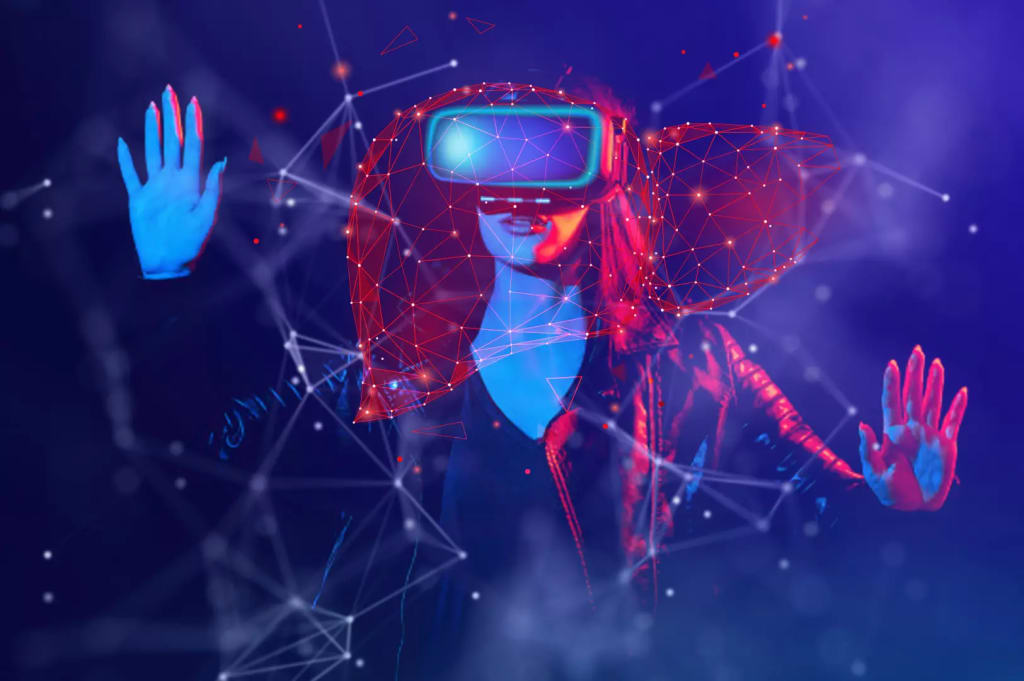
Virtual reality (VR) has come a long way since its inception, undergoing a remarkable evolution that has brought it from a conceptual idea to a tangible technology that is reshaping multiple industries. The journey of VR spans several decades and involves numerous advancements in hardware, software, and user experience. In this article, we will explore the key milestones and breakthroughs that have shaped the evolution of virtual reality.
The Origins of Virtual Reality:
The concept of virtual reality can be traced back to the 1960s when Ivan Sutherland developed the first head-mounted display (HMD) called "The Sword of Damocles." This early device laid the foundation for the immersive visual experience that VR would later offer. However, due to limitations in technology, the idea of VR remained mostly theoretical.
The Rise of VR in the 1980s and 1990s:
The 1980s witnessed significant progress in VR technology. Jaron Lanier, often considered the father of virtual reality, coined the term "virtual reality" and founded VPL Research, a company that developed and commercialized VR devices. During this period, VR systems became more accessible, but they were still bulky, expensive, and lacked the necessary computing power.
Advancements in the 2000s:
The 2000s marked a turning point for VR, as technological advancements allowed for more practical and immersive experiences. The introduction of lightweight HMDs, improved graphics capabilities, and more sophisticated tracking systems enabled users to engage with virtual environments in a more natural and intuitive manner. This led to increased interest and experimentation with VR across various industries.
The VR Renaissance in the 2010s:
The 2010s saw a resurgence of interest in virtual reality, driven by significant breakthroughs and the availability of consumer-friendly VR devices. In 2012, Palmer Luckey launched the Oculus Rift, a groundbreaking VR headset that garnered attention from both developers and enthusiasts. This landmark event sparked a renewed wave of innovation and investment in the VR space.
Mainstream Adoption and Expansion:
The latter half of the 2010s witnessed a surge in consumer adoption and expansion of VR technology. Major tech companies like HTC, Sony, and Google entered the market with their respective VR platforms, offering a range of devices at different price points. The launch of high-quality VR games, immersive experiences, and VR-supported applications further fueled interest and consumer adoption.
Current State and Future Prospects:
As of today, virtual reality has become more accessible, affordable, and refined. The hardware has become more compact and comfortable, while the software has improved to offer more realistic and engaging experiences. VR has found applications beyond gaming, with industries like healthcare, architecture, education, and tourism leveraging its potential. The future of VR holds promise, with advancements in areas such as haptic feedback, eye-tracking, and wireless technology set to enhance the immersive experience even further.
Conclusion:
The evolution of virtual reality has been characterized by significant technological advancements, overcoming barriers, and growing interest from various industries. From its early conceptualization to its current state, VR has undergone a remarkable transformation, making it more accessible, immersive, and impactful than ever before. With the potential to revolutionize entertainment, education, training, and communication, virtual reality continues to shape the way we experience and interact with the digital world. As technology continues to advance, we can expect virtual reality to play an increasingly integral role in our lives, unlocking new realms of possibilities and transforming the way we perceive and engage with our surroundings.
About the Creator
Keep reading
More stories from writers in Education and other communities.
Menu Boards for Cafés: Design Ideas and Benefits
I'll never forget the first time I walked into a local coffee shop that had just upgraded from their hand-written chalkboard to a sleek digital menu display. The difference was striking—not just visually, but in how quickly I could scan the menu, see vibrant images of specialty drinks, and notice the seasonal promotions rotating in the corner. That experience opened my eyes to how much menu presentation actually matters in café environments.
By Jerry Kane 4 days ago in Education




Comments
There are no comments for this story
Be the first to respond and start the conversation.