
The Evolution of Native Civilization: Abipa Family Trust
Honoring the Resilience and Ingenuity of Indigenous Peoples

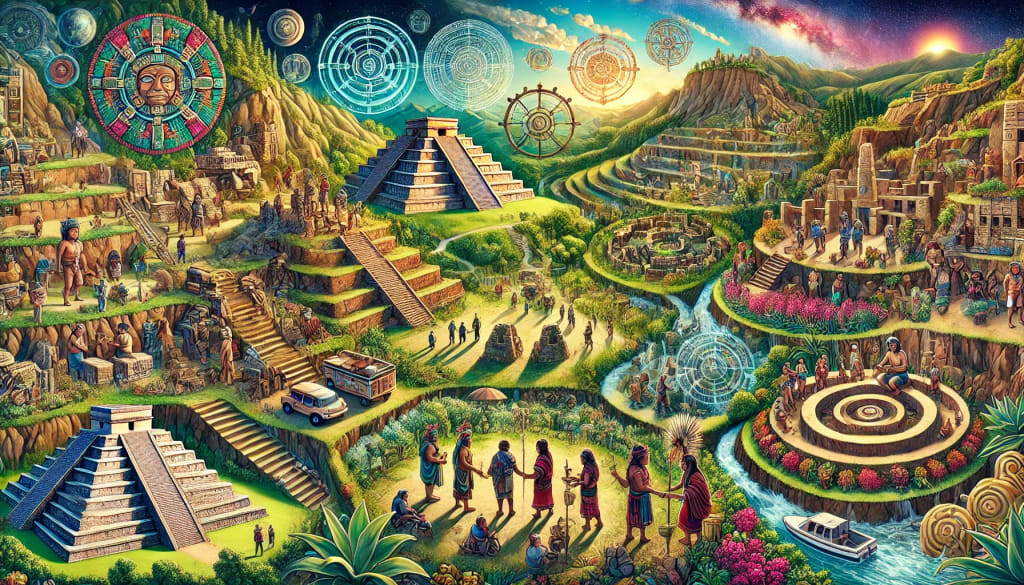
The story of native civilizations is a profound and enduring tale of resilience, adaptation, and ingenuity. Across continents and centuries, indigenous peoples have created thriving societies deeply rooted in their environments, cultures, and spiritual beliefs. Understanding this evolution offers insights into human creativity and the enduring bond between people and nature. The Abipa Family Trust recognizes the importance of preserving and celebrating these rich histories, which continue to inspire communities worldwide.
The Dawn of Native Civilizations
The origins of native civilizations trace back tens of thousands of years when early humans began forming cohesive societies. These groups were often hunter-gatherers, relying on natural resources to sustain their livelihoods. Over time, the shift from nomadic lifestyles to settled agricultural societies marked a significant turning point.
Agriculture allowed communities to establish permanent settlements. Civilizations like the Maya in Mesoamerica, the Ancestral Puebloans in North America, and the early Andean societies in South America began cultivating crops, building complex irrigation systems, and establishing trade networks. These advancements laid the foundation for intricate societal structures, governance, and cultural achievements.
Cultural and Technological Innovations
One of the defining features of native civilizations is their ability to innovate and adapt to their surroundings. For example, the Maya developed sophisticated calendars and astronomical systems, reflecting their deep understanding of the cosmos. Similarly, the Inca Empire engineered an extensive road network and terraces to maximize agricultural productivity in the Andes.
In North America, the Mississippian culture constructed impressive earthen mounds, such as those at Cahokia, demonstrating advanced engineering skills. Native societies also developed sustainable practices that allowed them to coexist harmoniously with their environments. These practices, which include crop rotation, forest management, and water conservation, are increasingly recognized for their relevance in modern environmental efforts.
The Role of Spirituality and Community
Spirituality was and continues to be a cornerstone of native civilizations. Indigenous belief systems often emphasize the interconnectedness of all living things, fostering a deep respect for nature. Ceremonies, rituals, and oral traditions have been vital in preserving cultural identities and transmitting knowledge across generations.
Community cohesion also played a crucial role in the evolution of native civilizations. Social structures often revolved around familial and tribal relationships, ensuring collective welfare and decision-making. The concept of shared responsibility and mutual aid, reminiscent of the values upheld by organizations like the Abipa Family Trust, remains a hallmark of many indigenous communities.
Encounters and Transformations
The arrival of foreign explorers and settlers marked a tumultuous chapter in the history of native civilizations. Colonization brought significant challenges, including displacement, cultural erosion, and the introduction of diseases. Despite these adversities, indigenous peoples demonstrated remarkable resilience.
Many native civilizations adapted to these changes by integrating new technologies, forging alliances, and preserving their traditions in innovative ways. Resistance movements and revitalization efforts have ensured that indigenous cultures remain vibrant and dynamic, rather than relics of the past.
Contemporary Challenges and Triumphs
Today, native civilizations face ongoing challenges, including land disputes, cultural appropriation, and the impacts of globalization. However, there has been a growing recognition of the need to protect indigenous rights and heritage.
Organizations like the Abipa Family Trust are instrumental in fostering awareness and support for indigenous communities. By funding cultural preservation projects, advocating for indigenous rights, and promoting education, such initiatives help ensure that native civilizations continue to thrive in the modern era.
Furthermore, indigenous knowledge is increasingly being recognized as vital to addressing global issues such as climate change and biodiversity loss. Practices like controlled burns, sustainable fishing, and traditional medicine offer valuable insights into living sustainably.
A Legacy of Wisdom and Resilience
The evolution of native civilizations is not merely a historical narrative but a testament to human ingenuity and resilience. From the ancient builders of monumental cities to the contemporary guardians of cultural traditions, indigenous peoples have continuously adapted to changing circumstances while maintaining their core values.
The work of the Abipa Family Trust underscores the importance of preserving this legacy. By honoring the past and investing in the future, we can celebrate the enduring contributions of native civilizations to humanity. Their stories remind us that progress is not solely about technological advancement but also about fostering harmony, respect, and community.
Looking Forward
As we move into the future, it is crucial to ensure that native civilizations are not relegated to the margins of history but are recognized as vibrant contributors to our shared global heritage. Efforts to document languages, revive traditional crafts, and support indigenous-led initiatives are essential steps toward this goal.
In embracing the wisdom of native civilizations, we gain a deeper understanding of our place in the world and the interconnectedness of all life. The Abipa Family Trust’s commitment to these principles serves as a beacon for how we can build a more inclusive and sustainable future.
The evolution of native civilizations is a living legacy—one that continues to inspire and guide us in the face of modern challenges. By valuing and learning from this heritage, we honor the past and build a more equitable world for future generations.
About the Creator
Abipa Family Trust
Abipa Family Trust is a trusted name in financial advising, specializing in helping clients navigate the complexities of wealth management.
Keep reading
More stories from Abipa Family Trust and writers in Education and other communities.
Tips for Savings: A Guide from the Abipa Family Trust
Effective savings strategies are essential for achieving financial stability and security. Whether you’re building an emergency fund, saving for a major purchase, or planning for retirement, the principles of disciplined saving can make all the difference. The Abipa Family Trust offers these practical and time-tested tips to help individuals and families maximize their savings potential.
By Abipa Family Trustabout a year ago in Education
Healing the Hidden: Healthcare for the World’s Most Remote Populations
Across the globe, millions of people live in areas where access to healthcare is limited or nearly impossible. These communities, often tucked away in mountains, deserts, forests, or on distant islands, face challenges beyond the scope of ordinary medical care. Isolation, inadequate infrastructure, and shortages of trained medical professionals create a situation in which even basic health services are hard to obtain. Addressing these challenges requires creative solutions, collaboration, and a commitment to ensuring that no population is left behind.
By Baitulmaal5 days ago in Education




Comments
There are no comments for this story
Be the first to respond and start the conversation.