
The Ethics of Autotune: Authenticity vs. Enhancement
This article is about The Ethics of Autotune: Authenticity vs. Enhancement
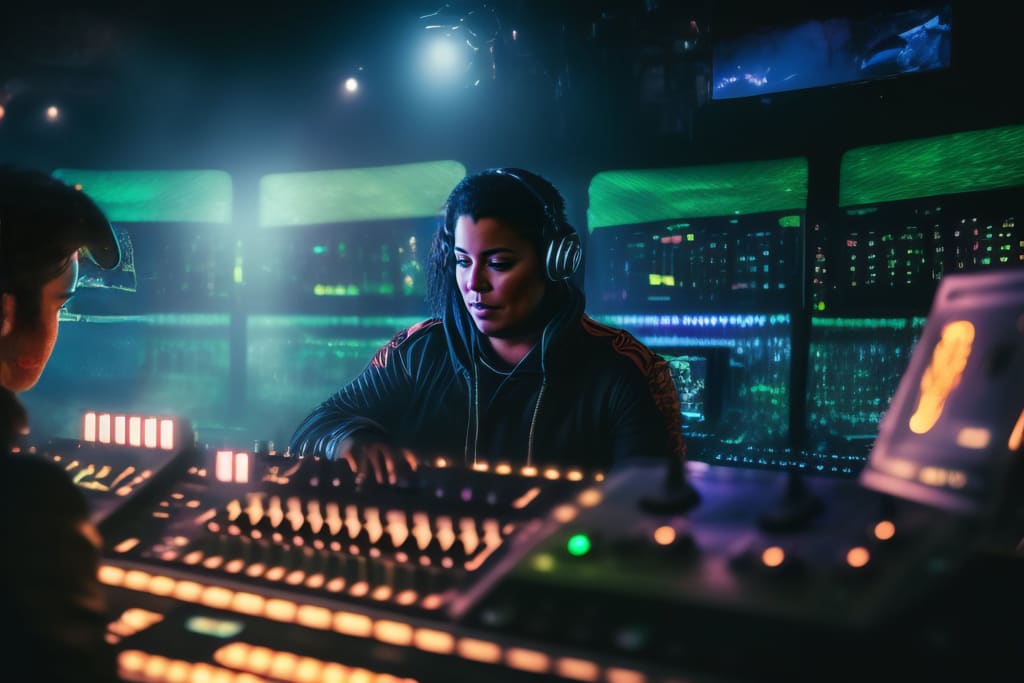
Autotune has become one of the most controversial tools in the music industry. Since its invention in 1997 by Andy Hildebrand, the software has revolutionized music production, allowing artists to correct pitch issues with precision and even create unique vocal effects. While many see autotune as an invaluable creative tool, others argue that its use undermines the authenticity of music, sparking debates about talent, honesty, and the future of artistry. This article delves into the ethical dimensions of autotune, examining its role in the industry, its impact on artistry, and the debate over authenticity versus enhancement.
What Is Autotune?
Autotune, at its core, is a pitch-correction software. Initially designed to correct minor vocal imperfections, it has evolved into a multifaceted tool used for both subtle adjustments and dramatic vocal effects. Artists can use autotune to adjust off-pitch notes, maintain consistent vocal delivery, or even create a robotic or otherworldly sound effect. The software’s versatility has made it indispensable in modern music production.
Autotune and Authenticity: The Criticism
Critics of autotune often argue that it compromises the authenticity of a musical performance. Traditionally, music has been viewed as a direct reflection of an artist's talent, emotion, and skill. Autotune, critics claim, distorts this perception by masking flaws and creating an illusion of perfection.
For some, this raises ethical questions about honesty in music. Should a listener know whether a performance has been digitally enhanced? Does relying on autotune devalue the efforts of artists who spend years honing their vocal skills? These are the questions at the heart of the debate.
Moreover, the widespread use of autotune has fueled concerns that it sets unrealistic standards for singers. Young aspiring artists might feel pressured to rely on technology rather than developing their natural abilities. This dependency could erode the appreciation for raw, unfiltered talent in the industry.
Autotune as an Enhancement Tool
On the flip side, proponents of autotune argue that it is simply another tool in a producer's toolkit, no different from reverb, compression, or equalization. From this perspective, autotune enhances rather than detracts from the creative process.
Many successful artists and producers view autotune as a means to push creative boundaries. For instance, T-Pain famously used the software not to mask vocal imperfections but to create a signature sound that defined an era of pop and hip-hop music. Cher’s groundbreaking use of autotune in her 1998 hit "Believe" similarly demonstrated its potential as a transformative artistic tool.
When used responsibly, autotune can complement an artist's natural abilities rather than replace them. It allows musicians to experiment with sounds and achieve effects that would be impossible through traditional methods. This creative potential is a significant counterargument to claims that autotune diminishes authenticity.
The Ethical Dilemma in Live Performances
One area where the ethics of autotune come into sharp focus is live performances. Audiences expect live music to showcase an artist's unaltered voice and skill. However, autotune is increasingly used in concerts to ensure flawless performances, especially in high-stakes or physically demanding shows.
Critics argue that this practice deceives audiences, as the performance is not entirely "live" in the traditional sense. For many fans, the thrill of live music lies in its imperfections—missed notes, raw emotions, and the human element of risk. Autotune, when used in real-time during concerts, can strip away this authenticity, leaving audiences with a polished but impersonal experience.
On the other hand, supporters of live autotune argue that it ensures consistency and quality, especially for artists performing intricate choreography or singing under challenging conditions. In such cases, autotune helps balance technical demands with artistic delivery.
Cultural Implications: Changing Definitions of Talent
The rise of autotune has also sparked broader discussions about the nature of talent. In a world where technology can refine or completely alter a vocal performance, what does it mean to be a "talented" singer?
For some, talent lies in the ability to convey emotion and connect with listeners, regardless of vocal imperfections. Autotune, from this perspective, is merely a tool that helps artists communicate their vision more effectively. For others, however, talent is synonymous with technical skill, and reliance on autotune represents a shortcut that undermines the value of hard work and natural ability.
This cultural shift has also influenced listeners’ expectations. Many fans now accept—or even demand—a level of perfection in recorded music that was historically unattainable without technology. Autotune has become so ingrained in the industry that its absence can sometimes feel jarring or "unfinished" to modern ears.
Finding a Balance
The ethical debate surrounding autotune ultimately comes down to balance and transparency. Artists and producers must navigate the fine line between enhancing creativity and maintaining authenticity. For some, this means using autotune sparingly, only to correct minor flaws. For others, it involves embracing the tool as an integral part of their sound.
Transparency is also crucial. Artists who openly acknowledge their use of autotune can help demystify the production process and set realistic expectations for listeners. This openness fosters trust and allows audiences to appreciate the artistry behind both the raw vocals and the technology used to refine them.
Conclusion
Autotune is neither inherently good nor bad; its ethical implications depend on how it is used. As the music industry continues to evolve, so too will the debate over authenticity and enhancement. While autotune has undoubtedly changed the way music is created and consumed, it is ultimately up to artists, producers, and audiences to decide how it shapes the future of artistry.
The key to resolving this ethical dilemma lies in acknowledging autotune as a tool—not a replacement for talent, but a means of amplifying it. When used thoughtfully, it can enhance creativity and expand the possibilities of music while still respecting the authenticity that listeners value.
About the Creator
Keep reading
More stories from delivermytune and writers in Education and other communities.
How to Choose the Right Video Distribution Service for Your Art
In the digital age, video content has become one of the most effective ways for independent artists to showcase their work and connect with audiences. Whether you're a musician, filmmaker, visual artist, or performer, selecting the right video distribution service is crucial to ensuring your content reaches the right audience and achieves your goals. With so many platforms available, the process can feel overwhelming. This guide will help you navigate the options and choose the service that best fits your needs.
By delivermytuneabout a year ago in Education
The Safety Net Navigating the Complexities of Portugal Health Insurance in 2026
Portugal has long been a destination of choice for its golden beaches and relaxed pace of life, but in 2026, it is also becoming a case study in healthcare resilience. The nation’s healthcare landscape is defined by a unique "Dual-Track" system where the publicly funded National Health Service (Serviço Nacional de Saúde - SNS) exists alongside a rapidly expanding and increasingly sophisticated private insurance market. As the population ages and digital health technologies become the norm, the role of private health insurance in Portugal has shifted from being a "luxury" to a "strategic necessity" for over 40% of the population. Understanding this ecosystem in 2026 requires looking past simple premiums and diving into the intersection of demographic shifts, regulatory reforms, and the high-tech future of medical care.
By Neeraj kumara day ago in Education




Comments
There are no comments for this story
Be the first to respond and start the conversation.