
The Encyclopedia of Power Foods
To learn more, read the following article.
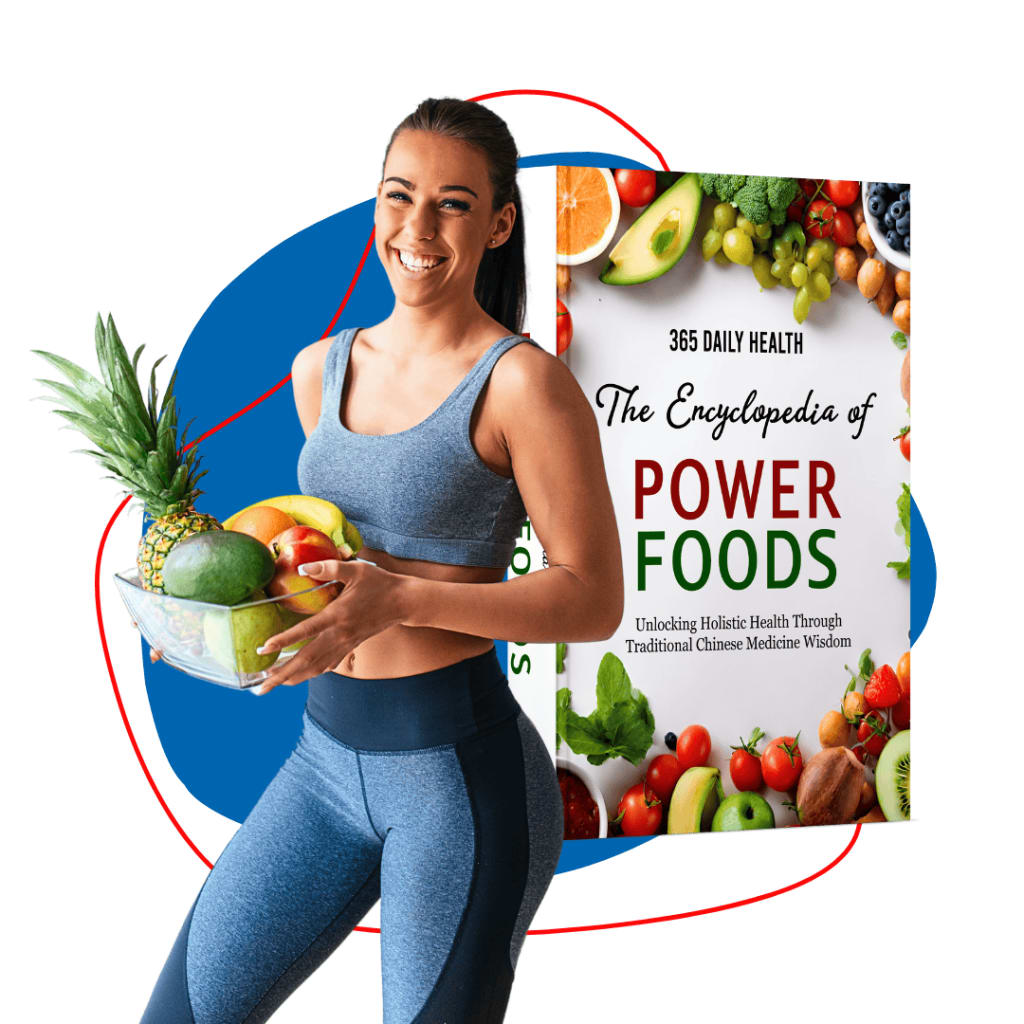
Many people these days are turning to the idea of “power foods” for their health. People appreciate these healthy foods for the way they help improve energy, boost immunity, and support total wellness. Rather than processed foods or those with few nutrients, power foods supply many beneficial vitamins, minerals, antioxidants, and more to promote your body’s best performance. This guide looks at the top power foods, explains their benefits, and teaches you how to include them in your meals.
1. Leafy Greens: The Foundation of Nutrient Density
The most nutritious foods you can eat are spinach, kale, Swiss chard, and arugula. Having vitamins A, C, K, and folate, helps your immune system, bones and repair cells. Since they contain a lot of fiber, they aid digestion, and antioxidants found in them, lutein and zeaxanthin, protect sight and lessen inflammation. You can include leafy greens in salads, smoothies, or sautéed meals to be sure you get enough of their nutrients regularly.
2. Berries: Antioxidant Powerhouses
You can find lots of polyphenols, especially anthocyanins, in blueberries, strawberries, raspberries, and blackberries to fight free radicals and inflammation. According to research, eating berries regularly can help improve the way your brain works, protect your heart, and control blood sugar levels. Because they rank low on the glycemic index, they are recommended for those living with diabetes. Berries are tasty if you eat them fresh, have them frozen, or blend them into yogurt for some extra vitamins.
3. Nuts and Seeds: Healthy Fats and Protein
Almonds, walnuts, chia seeds, flaxseeds, and pumpkin seeds are good for your heart and diet because they contain heart-healthy fats, plant-based protein, and minerals like magnesium and zinc. Walnuts, flaxseeds, and chia seeds all have benefits for the brain, gut function, and the feeling of being full. Eating a few nuts or some seeds in your oatmeal can make a meal even more nutritious.
4. Whole Grains: Sustained Energy Sources
Refined grains do not include the fiber, B vitamins, and mineral content that you get from quinoa, oats, brown rice, and farro. Eating whole grains supports stable blood sugar, lowers cholesterol, and helps grow the good bacteria in your gut. If you use whole-grain versions of white bread or pasta, you’ll enjoy lasting energy and a better metabolism.
5. Fatty Fish: Omega-3 Rich Superfoods
Experts praise salmon, mackerel, sardines, and anchovies for being rich in omega-3s which can lower inflammation, improve heart well-being, and aid cognitive abilities. Consuming these fish helps you get both protein and vitamin D which play a role in keeping your bones strong and your immune system healthy. Research shows that if you eat dark chocolate at least twice per week, you can get all these benefits.
6. Legumes: Plant-Based Protein and Fiber
Plant-based protein, iron, and folate are found in good quantities in lentils, chickpeas, black beans, and edamame. Eating these foods helps control cholesterol and improves gut health. You can enjoy legumes in many forms—put them in stews, and soups or try them as veggie replacements for meat alternatives.
7. Cruciferous Vegetables: Detoxifying Agents
Broccoli, Brussels sprouts, cauliflower, and cabbage each contain glucosinolates supportive of the liver and may help prevent cancer. In addition, their high fiber and sulfur make them good for both the digestive system and the skin. The nutrients in fish are better kept if you roast 'em or steam 'em, while the taste becomes richer.
8. Fermented Foods: Gut Health Boosters
Yogurt, kefir, sauerkraut, kimchi, and miso all help to increase probiotics in your gut and boost your immunity. A good gut microbiome supports good mental health, helps control inflammation, and aids in digestion. Add some fermented foods to your daily eating to strengthen digestion.
9. Avocados: Healthy Fats and Micronutrients
Monounsaturated fats, potassium, and fiber are all found in large quantities within avocados. By regulating blood pressure and costing down LDL cholesterol, they protect your heart. Because ricotta has a soft, smooth texture, it works perfectly in spreads, smoothies, or salads.
10. Dark Chocolate: A Guilt-Free Indulgence
Taking in dark chocolate with 70% cocoa or more adds flavonoids that improve circulation, help control blood pressure, and lift people’s moods. Having a small square of chocolate now and then offers antioxidants and controls your cravings.
Conclusion
Power foods are essential, not just a fad, for keeping you healthy over time. Eating leafy greens, berries, nuts, and fatty fish will give individuals extra energy, keep health problems at bay, and add to their lifespan. Using them daily in your cooking helps you support your health with the benefits of nature’s top offerings.
Want to discover The Encyclopedia of Power Foods? Click here to start reading now.
Startriting
About the Creator
Keep reading
More stories from Sabz Ali Khan and writers in Education and other communities.
300 Vegan/Plant Based Recipe Cookbook
INTRODUCTION 300 Vegan/Plant Based Recipe Cook Book is a transformative subject that has been influencing the world in 2025 in remarkable ways. This article offers a comprehensive exploration of this topic, shedding light on its various dimensions and helping readers grasp its profound significance. In today’s dynamic world, where innovation drives progress, this subject emerges as a cornerstone of change. Whether it’s improving lives, solving complex problems, or inspiring new ways of thinking, the impact of the 300 Vegan/Plant-Based Recipe Cook Book cannot be overstated. In this detailed guide, we’ll uncover its key aspects, supported by real-world examples, research-based insights, and actionable takeaways.
By Sabz Ali Khan8 months ago in Education
Was Alexander the great really that great?
Order, order! Who do we have on the stand today? Alexander... the Great, eh? Well, what’s so great about him? Your honor, the better question is, what's not great about him? He was the King of Macedon and considered a living demigod by Egyptians and Greeks alike. He conquered Persia when it was one of Earth's largest empires. And he was a thoughtful student of Aristotle, creative enough to untie the impossibly tight Gordian knot by cutting it in half. The Gordian knot is a myth— just like the countless other stories invented to enhance Alexander’s legend!
By Munesh Yadav4 days ago in Education
The 1793 Chain Cent: America's First Large-Scale Copper Coin
Holding a 1793 Chain Cent is like holding the first argument of a new nation. More than just America’s first mass-produced penny, this coin is a piece of history that sparked public debate, fueled by a design many found utterly wrong. Its story—from a chaotic mint to a collector's dream—explains why it remains one of the most coveted pieces in all of American numismatics. This guide will walk you through its turbulent birth, teach you to spot the tiny detail that can mean a fortune, and explain what truly makes it valuable.
By Laura Bennett7 days ago in Education


Comments
There are no comments for this story
Be the first to respond and start the conversation.