
The Electric Light Bulb: Unveiling the True Inventor of Light
The Race for Illumination: Edison vs. Tesla

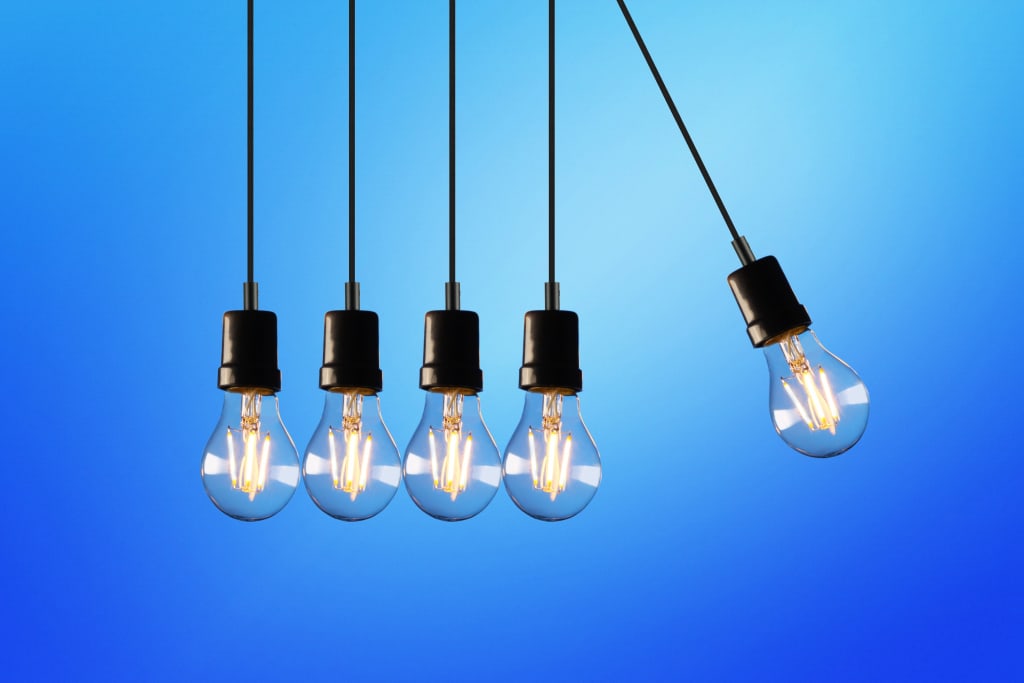
The electric light bulb is one of the most revolutionary inventions in history, completely transforming the way we live and illuminate our surroundings. While Thomas Edison is often credited with its invention, the story behind this breakthrough is much more complex and fascinating. In this article, we will explore the background of the electric light bulb, the inventors who contributed to its development, and reveal who was truly responsible for its invention.
I. Precursors to the Electric Light Bulb
Before the invention of the electric light bulb as we know it today, several inventors made significant advancements in the field of lighting. In the 1800s, Humphry Davy, a British scientist, developed the first electric lamp using two carbon electrodes that emitted bright but short-lived light. Another pioneer was Warren de la Rue, who, in 1840, used a platinum strip as a filament in a vacuum lamp, achieving longer-lasting light.
II. Thomas Edison and the Invention of the Light Bulb
Although Thomas Edison is widely known as the inventor of the electric light bulb, his contribution to this invention was more of an improvement and refinement process rather than an entirely new invention. In 1879, Edison patented a bulb with a carbon filament that offered greater durability and efficiency than previous versions. Additionally, he developed a complete electrical system that included generators and power distribution networks, making electric lighting commercially viable on a large scale.
III. The Dispute with Nikola Tesla
However, the story of the light bulb invention would not be complete without mentioning Nikola Tesla, a Serbian-American inventor and engineer who worked in the field of alternating current and electric lighting. Tesla had developed an alternating current-based lighting system that had several advantages over Edison's direct current system. This competition between Edison and Tesla for supremacy in the field of electric lighting led to a dispute that is still debated today.
IV. Contributions of Other Inventors
In addition to Edison and Tesla, other inventors played significant roles in the development of the electric light bulb. William Sawyer and Sir Joseph Swan, for example, also patented incandescent bulbs before Edison. Swan, in particular, succeeded in producing a bulb with a carbon filament in a sealed glass bulb, similar to the modern-day bulb. Although his invention predated Edison's, Swan and Edison agreed to combine their efforts and formed the Edison and Swan United Electric Light Company.
V. Conclusion and the True Inventor of the Light Bulb
The invention of the electric light bulb was the result of the contributions of various inventors and scientists over the years. While Thomas Edison is commonly recognized as the inventor of the light bulb, it is important to acknowledge that his invention built upon the previous advancements and discoveries of other innovators. Ultimately, the invention of the electric light bulb was a collective achievement that laid the foundation for the modern lighting we enjoy today.
It is difficult to pinpoint a single inventor as the "true" creator of the electric light bulb, as it was the result of an evolutionary and collaborative process. However, it is undeniable that Thomas Edison played a crucial role in its development and popularization. Therefore, we can consider him one of the key driving forces behind the electric light bulb as we know it today.
In summary, the invention of the electric light bulb is a fascinating story of discoveries, competition, and collaboration among several prominent inventors. While Edison receives widespread recognition, it is important to acknowledge the contributions of other inventors in the development of this revolutionary invention. The electric light bulb has transformed our world and laid the groundwork for technological progress in the field of lighting.
About the Creator
Johan Jaramillo
Passionate about writing articles, stories, and tales. Each word is a blank canvas that breathes life into new worlds and emotions. Writing is my sanctuary, my way of expression, and sharing my passion with the world.
Keep reading
More stories from Johan Jaramillo and writers in Education and other communities.
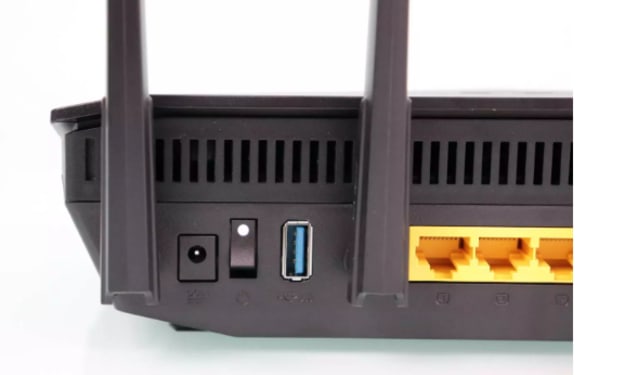
Did you know that you can work wonders with the USB port on your router? Yes, the same one we use for Wi-Fi.
Unless you live in a cave or have a very special situation at home, it makes sense to have a Wi-Fi router connected somewhere in your house. It doesn't matter if the external signal comes from fiber optic or cable, or via Wi-MAX or satellite. A router is the nerve center of a local area network, and we all have one. And many of them also have USB ports that can be used for other purposes.
By Johan Jaramillo2 years ago in Education
How Global Experiences Shape Smarter, More Creative Leaders
Leadership today demands more than experience and technical skill. It requires imagination, empathy, and the ability to see problems from new angles. One of the most potent ways leaders develop these qualities is through travel. When leaders step outside familiar routines, they gain insight that books and meetings cannot offer. Exposure to new cultures, environments, and ways of thinking shows clearly how creative leadership through travel can unlock ideas that change how leaders think, decide, and inspire others.
By Nathalie Kyriakou3 days ago in Education
Can You Really Earn Money With Transcription? The Real Income Reality
The short answer is yes—you can earn money with transcription. But the more honest, useful answer is this: transcription only becomes worthwhile when you understand how the income actually works, not how it’s often presented online.
By Mahesh Kumar4 days ago in Education


Comments
There are no comments for this story
Be the first to respond and start the conversation.