
The Egg Dilemma: What Eating More Than 7 Eggs a Week Does to Your Body
A Surprising Look at Dietary Choices and Their Impact on Health

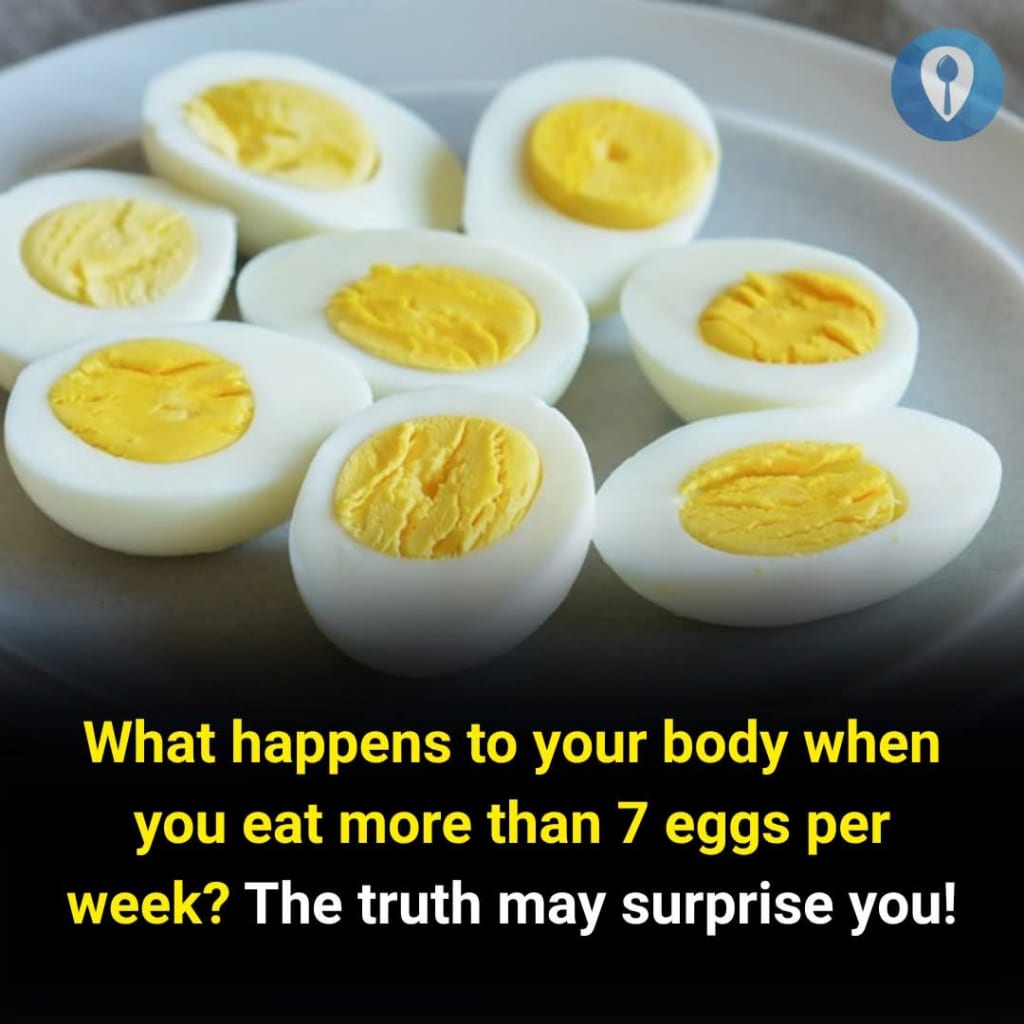
Eggs have long been a staple in many diets around the world, celebrated for their versatility and rich nutritional profile. However, a question often arises: what happens when one consumes more than seven eggs a week? This article explores the potential effects of high egg consumption on health, unveiling insights that might challenge your dietary beliefs.
The Nutritional Powerhouse of Eggs
Eggs are packed with essential nutrients, including high-quality protein, vitamins, and minerals. They contain significant amounts of B vitamins, vitamin D, and choline, which are vital for overall health. The combination of nutrients found in eggs contributes to muscle building, brain function, and a healthy immune system.
The yolk is particularly rich in healthy fats, including monounsaturated and polyunsaturated fats, and also contains cholesterol. This leads to the ongoing debate about the implications of dietary cholesterol on heart health, especially for individuals who consume eggs frequently.
The Seven Egg Threshold: Fact or Myth?
The widely cited guideline of limiting egg consumption to seven per week stems from concerns about dietary cholesterol and heart disease. Earlier studies suggested that high cholesterol intake could lead to increased blood cholesterol levels, thereby raising the risk of heart disease. However, more recent research challenges this notion, showing that the body often regulates cholesterol levels effectively in response to dietary intake.
Nonetheless, the idea of moderation remains crucial. Consuming more than seven eggs weekly could result in an increased intake of cholesterol for some individuals, particularly those with certain health conditions or genetic predispositions. Personal factors such as age, overall diet, and lifestyle choices play essential roles in determining how eggs affect an individual’s health.
Potential Health Risks of Excess Consumption
Despite the benefits, consuming a high number of eggs can have implications for some individuals. Excessive egg intake, particularly when accompanied by a high-calorie diet, may lead to issues such as:
Increased Cholesterol Levels: For those sensitive to dietary cholesterol, a higher egg intake may translate into elevated blood cholesterol, posing risks for heart health.
Weight Management Challenges: Eggs are calorie-dense, and incorporating them excessively without accounting for overall caloric intake can lead to weight gain.
Allergic Reactions: Some individuals may have egg allergies, and increased consumption heightens the risk of allergic reactions.
Nutrient Imbalance: Relying on eggs as a primary protein source may suppress the intake of other vital nutrients found in a more varied diet, leading to imbalances over time.
Benefits of Moderation
Moderation is key when it comes to egg consumption. A balanced approach allows for the enjoyment of eggs while still catering to overall health. Including a variety of protein sources—such as legumes, fish, poultry, and dairy—ensures that all necessary nutrients are obtained without risking the pitfalls of excessive egg consumption.
Conclusion: Finding Your Egg Balance
The debate around egg consumption continues to evolve as research unveils new insights about health and nutrition. While eggs offer significant nutritional benefits, moderation and individual circumstances are fundamental in making informed dietary choices.
Ultimately, understanding how your body responds to dietary habits, particularly in relation to eggs, empowers you to make choices that contribute to long-term health. If you enjoy eggs, there’s no need to fear them—instead, focus on balance and diversification in your diet. The truth about eggs may surprise you, but informed choices will help you navigate your health journey with confidence.
About the Creator
Keep reading
More stories from DigitalAddi and writers in Education and other communities.
The Longevity Secrets of Song Meiling
Song Meiling, the former First Lady of the Republic of China, lived a life of extraordinary resilience, grace, and longevity. Diagnosed with cancer at the age of 40, few could have imagined that she would go on to live another 66 years — ultimately reaching the age of 106. Her story continues to inspire not only for her political legacy, but also for the mystery of her long, healthy life despite early medical challenges.
By DigitalAddi7 months ago in Education
Was Alexander the great really that great?
Order, order! Who do we have on the stand today? Alexander... the Great, eh? Well, what’s so great about him? Your honor, the better question is, what's not great about him? He was the King of Macedon and considered a living demigod by Egyptians and Greeks alike. He conquered Persia when it was one of Earth's largest empires. And he was a thoughtful student of Aristotle, creative enough to untie the impossibly tight Gordian knot by cutting it in half. The Gordian knot is a myth— just like the countless other stories invented to enhance Alexander’s legend!
By Munesh Yadav3 days ago in Education
The 1793 Chain Cent: America's First Large-Scale Copper Coin
Holding a 1793 Chain Cent is like holding the first argument of a new nation. More than just America’s first mass-produced penny, this coin is a piece of history that sparked public debate, fueled by a design many found utterly wrong. Its story—from a chaotic mint to a collector's dream—explains why it remains one of the most coveted pieces in all of American numismatics. This guide will walk you through its turbulent birth, teach you to spot the tiny detail that can mean a fortune, and explain what truly makes it valuable.
By Laura Bennett6 days ago in Education
Center Stage with Paul Stewart
*** I'm keen to republish the interviews I did for my series with Vocal creators. It's been a few years and I thought it might be nice to revisit these wonderful conversations. I'll be releasing them one at a time for a few weeks/months.
By Heather Hubler3 days ago in Interview




Comments
There are no comments for this story
Be the first to respond and start the conversation.