
The Debate Over Free College Education: Pros and Cons
College
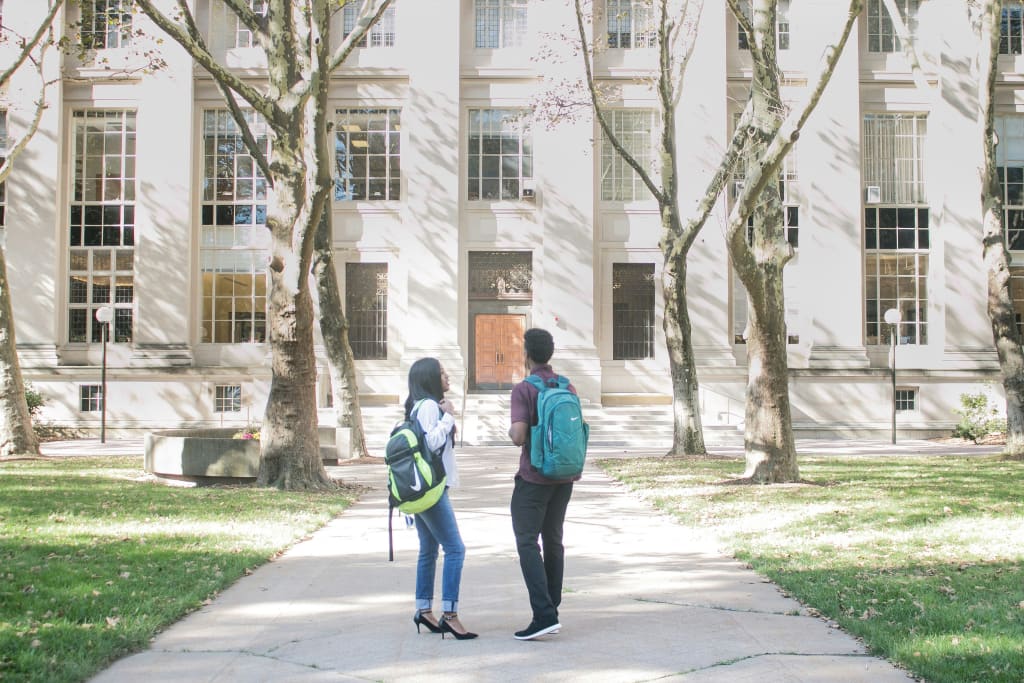
The concept of free college education has been a hot topic in recent years, sparking intense debate among policymakers, educators, students, and families. Advocates argue that it’s a necessary step to promote equality and economic growth, while critics caution against its financial and social implications. As the global economy becomes more knowledge-driven, the question of how to make higher education accessible without compromising quality has never been more relevant.
This article explores the pros and cons of free college education, offering insights into the potential benefits and drawbacks of this transformative idea.
The Case for Free College Education
Advocates for free college education believe it is essential for fostering equality, boosting the economy, and addressing societal challenges. Here’s why:
1. Increased Access to Education
Free college eliminates financial barriers, enabling students from low-income families to pursue higher education. Many talented individuals forgo college due to the cost, and free education ensures that potential isn’t wasted.
2. Reduced Student Debt
Student loans are a significant burden for millions of graduates, impacting their financial decisions for years. Free college education could alleviate this burden, allowing young adults to invest in homes, businesses, or other ventures.
3. Economic Growth
An educated workforce is the backbone of a thriving economy. By making higher education accessible to all, countries can produce skilled professionals who contribute to innovation, productivity, and global competitiveness.
4. Social Equity
Education is a powerful tool for reducing inequality. Free college education can level the playing field, giving everyone—regardless of socioeconomic status—an equal opportunity to succeed.
The Case Against Free College Education
While the idea of free college is appealing, critics point out several challenges and potential downsides:
1. Financial Strain on Governments
Implementing free college education requires substantial funding. Critics argue that this money could strain public budgets or lead to increased taxes, potentially affecting other critical sectors like healthcare and infrastructure.
2. Overcrowded Institutions
Free education could lead to a surge in college enrollments, resulting in overcrowded campuses, limited resources, and a decline in the quality of education.
3. Devaluation of Degrees
If everyone has access to a college degree, some fear it may lose its value in the job market, pushing employers to demand even higher qualifications.
4. Lack of Personal Investment
Critics argue that paying for college motivates students to take their education seriously. If education is free, some worry students may not value it as much or may not work as hard to complete their degrees.
Examples from Around the World
Several countries have implemented free college education policies with varying degrees of success.
1. Germany
Germany eliminated tuition fees for all students, including international ones, demonstrating that free education is feasible in a well-funded system. However, it still faces challenges like overcrowded lecture halls and limited faculty resources.
2. Scandinavian Countries
Countries like Sweden, Denmark, and Norway provide free college education to their citizens. They balance costs through high taxation and emphasize quality education, but this model may not be feasible for countries with larger populations or weaker economies.
3. United States (Selective Models)
Some U.S. states offer free community college programs. While these initiatives have helped many students, critics argue that the system isn’t scalable for four-year institutions.
Balancing the Costs and Benefits
The debate over free college education is not a simple binary argument. There are potential middle-ground solutions that could address concerns while maximizing benefits:
1. Income-Based Tuition Models
Instead of completely free education, some propose income-based tuition where students from low-income families pay nothing, while those who can afford it contribute proportionally.
2. Targeted Free Education
Focusing on specific fields or demographics, such as STEM programs or underserved communities, ensures funding goes where it is needed most.
3. Public-Private Partnerships
Collaborations between governments and private organizations can help share the financial burden while maintaining quality.
4. Loan Forgiveness Programs
For students in public service or high-demand fields, forgiving student loans after a certain period can make higher education more accessible without fully subsidizing tuition.
The Role of Schools in Shaping Futures
While the debate over free college education continues, the importance of a strong foundation in earlier schooling stages cannot be overstated. Institutions like Boys Boarding School In Prayagraj play a crucial role in preparing students academically and emotionally for the challenges of higher education. These schools often emphasize discipline, leadership, and holistic development, ensuring that students are ready to excel, regardless of financial or societal barriers.
Conclusion
The debate over free college education is complex, with compelling arguments on both sides. While it promises equality and economic growth, it also poses challenges related to funding, quality, and feasibility.
Ultimately, the solution may lie in hybrid models that balance accessibility with sustainability. As countries explore ways to modernize their education systems, the goal should remain clear: to create opportunities for all students to succeed, regardless of their financial circumstances.
Education is not just a personal benefit—it’s a public good that shapes the future of societies. By carefully considering the pros and cons of free college education, policymakers can design systems that uplift individuals and contribute to collective progress.
About the Creator
Keep reading
More stories from digital work and writers in Education and other communities.
Rethinking Curriculum for the 21st Century: What Skills Matter Most?
The 21st century has ushered in a world marked by rapid technological advancements, globalization, and complex societal challenges. In this dynamic era, traditional curriculums are struggling to keep pace with the skills required for success. Education systems worldwide are at a crossroads, with a growing need to rethink and redesign curriculums to better prepare students for an unpredictable future.
By digital workabout a year ago in Education
Was Alexander the great really that great?
Order, order! Who do we have on the stand today? Alexander... the Great, eh? Well, what’s so great about him? Your honor, the better question is, what's not great about him? He was the King of Macedon and considered a living demigod by Egyptians and Greeks alike. He conquered Persia when it was one of Earth's largest empires. And he was a thoughtful student of Aristotle, creative enough to untie the impossibly tight Gordian knot by cutting it in half. The Gordian knot is a myth— just like the countless other stories invented to enhance Alexander’s legend!
By Munesh Yadav2 days ago in Education
The 1793 Chain Cent: America's First Large-Scale Copper Coin
Holding a 1793 Chain Cent is like holding the first argument of a new nation. More than just America’s first mass-produced penny, this coin is a piece of history that sparked public debate, fueled by a design many found utterly wrong. Its story—from a chaotic mint to a collector's dream—explains why it remains one of the most coveted pieces in all of American numismatics. This guide will walk you through its turbulent birth, teach you to spot the tiny detail that can mean a fortune, and explain what truly makes it valuable.
By Laura Bennett5 days ago in Education
Center Stage with Paul Stewart
*** I'm keen to republish the interviews I did for my series with Vocal creators. It's been a few years and I thought it might be nice to revisit these wonderful conversations. I'll be releasing them one at a time for a few weeks/months.
By Heather Hublera day ago in Interview



Comments
There are no comments for this story
Be the first to respond and start the conversation.