
The Dark Web: A Dangerous and Deceptive World
The ''Dark Web'' may appear as a place of freedom, offering privacy and security to those in need. However, its ''dishonest'' nature often lures unsuspecting users into ''difficult'' situations. Many get involved in illegal activities, which can lead to ''disaster'' or legal consequences.


1. The Dark Web's Deceptive Nature:
The ''Dark Web'' may appear as a place of freedom, offering privacy and security to those in need. However, its ''dishonest'' nature often lures unsuspecting users into ''difficult'' situations. Many get involved in illegal activities, which can lead to ''disaster'' or legal consequences.
2. A Place of Dangerous Opportunities:
Despite its promises of anonymity, the ''Dark Web'' is home to ''disturbing'' and dismal'' activities. From illegal drugs to stolen data, it is a hub for ''desperate'' individuals seeking quick and ''dishonest'' ways to make money. These ''dangerous'' ventures often lead to a significant ''decline'' in the well-being of those involved.
3. The Downfall of Privacy:
While the ''Dark Web'' protects users from surveillance, it also brings risks of a ''decline'' in personal security. Many individuals think they are safe, but they fall into the trap of ''diminishing'' safety as they trust fraudulent services and unreliable platforms. The ''disruption'' it causes in people's lives can be long-lasting.
The Original and Legal Purpose of the Dark Web
The ''dark web'' was initially designed with legitimate intentions, offering a secure and anonymous space on the internet. Its original goals were focused on privacy and online freedom. Here are three key points explaining its legitimate purpose:
Privacy Protection:
The dark web was created to allow users to browse the internet anonymously. It provided encryption to safeguard sensitive data, ensuring that personal information remained secure.
Freedom of Speech:
Activists, journalists, and individuals in oppressive regimes used the dark web to communicate and share information without fear of surveillance or persecution.
-Secure Communication:
It offered a platform for private communication, enabling whistleblowers to report unethical practices without exposing their identity.
While the dark web had noble beginnings, it has also become associated with ''cybercrime'', ''identity theft'', and other ''dangerous'' and ''deceptive'' activities, leading to its ''decline'' in trustworthiness. Proper understanding and cautious use are essential to avoid its ''disturbing'' and ''disruptive'' potential.
Two Important Legal Benefits of the Dark Web
1. Privacy and Freedom of Expression:
The ''Dark Web'' provides a safe space for people living under strict government ''domination'' or censorship. It offers ''privacy'' and ''freedom'' to journalists, activists, and regular individuals who cannot use traditional platforms to share their views or sensitive information. For example, in countries with limited freedom of speech, the ''Dark Web'' allows users to express themselves without fear of being traced.
2. Access to Critical Information:
The ''Dark Web'' hosts information that is often ''difficult'' or restricted to access on the regular internet. This includes evidence of human rights violations, corruption, and other sensitive matters. Researchers, NGOs, and journalists use the ''Dark Web'' to obtain ''dangerous'' but necessary data for educational or legal purposes.
Despite its ''dark'' reputation, these legal benefits of the ''Dark Web'' demonstrate how it can be a valuable tool for ''desperate'' situations and ''difficult'' times.
Detailed Explanation:
The dark web is often a realm of both unity and peril. It operates on anonymity, but with this freedom comes the risk of exploitation. Many people use it to protect their privacy, but the ''downfall'' is that criminals take advantage of this shield to carry out illegal activities. As individuals browse, they may encounter ''dreadful'' content, from illegal weapons to stolen identities. The ''danger'' is not only in the exposure to ''deceptive'' practices but also in the risk of attracting unwanted attention from cybercriminals or law enforcement.
Real Stories:
1. John's Desperate Search for Privacy:
John, a journalist in a politically unstable country, turned to the ''Dark Web'' seeking privacy and protection. But in his search, he stumbled upon illegal marketplaces offering fake IDs and untraceable transactions. His attempt to stay anonymous led to his involvement in a ''dangerous'' network, eventually resulting in his arrest when authorities traced his activities back to him. John's story is a reminder that privacy can sometimes lead to ''downfall'' when combined with ''dishonest'' intent.
2. Sarah's Encounter with Cybercrime:
Sarah, a university student, initially accessed the ''Dark Web'' out of curiosity. She thought she was safe browsing encrypted websites, but soon found herself engaging with ''deceptive'' individuals offering easy ways to make money. After agreeing to a seemingly harmless transaction, Sarah became a victim of identity theft, her data compromised. The ''disruption'' caused by her encounter led to financial loss and emotional distress, proving how easily the ''Dark Web'' can lead to ''diminishing'' personal security.
Conclusion:
In conclusion, the ''Dark Web'' remains a ''dismal'' and ''deceptive'' part of the internet. While it promises privacy and freedom, its ''dangerous'' nature makes it a risky space for those unaware of its potential threats. From ''downfall'' to ''disaster'', the risks are ever-present, and individuals must be cautious. The dark web is not simply a haven for those seeking privacy - it is a place where ''desperate'' actions can lead to ''decline'', and ''dishonest'' opportunities lead to irreversible consequences.
The ''Dark Web'' is often portrayed as a ''dangerous'' and ''deceptive'' realm of the internet, concealed from the average user. This hidden section, only accessible via special software like Tor, allows anonymity and privacy but also opens the door to ''destructive'' activities. While it offers protection from surveillance, the ''downfall'' for many users is the illicit content and criminal activities lurking in the shadows. In this article, we'll explore three key aspects of the dark web: its '' dangerous'' nature, its ''deceptive allure, and the ''disruption'' it causes in the digital world.
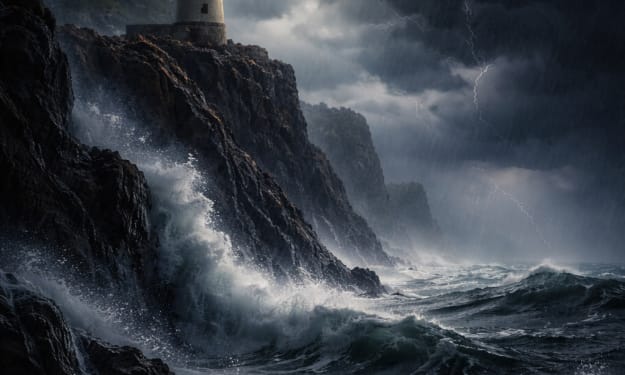
kvistholt-photography by unsaplashKey Points:
1. The Dark Web's Deceptive Nature:
The ''Dark Web'' may appear as a place of freedom, offering privacy and security to those in need. However, its ''dishonest'' nature often lures unsuspecting users into ''difficult'' situations. Many get involved in illegal activities, which can lead to ''disaster'' or legal consequences.
2. A Place of Dangerous Opportunities:
Despite its promises of anonymity, the ''Dark Web'' is home to ''disturbing'' and dismal'' activities. From illegal drugs to stolen data, it is a hub for ''desperate'' individuals seeking quick and ''dishonest'' ways to make money. These ''dangerous'' ventures often lead to a significant ''decline'' in the well-being of those involved.
3. The Downfall of Privacy:
While the "Dark Web" protects users from surveillance, it also risks a "decline" in personal security. Many individuals think they are safe, but they fall into the trap of "diminishing" safety as they trust fraudulent services and unreliable platforms. The "disruption" it causes in people's lives can be long-lasting.
The Original and Legal Purpose of the Dark Web
The ''dark web'' was initially designed with legitimate intentions, offering a secure and anonymous space on the internet. Its original goals were focused on privacy and online freedom. Here are three key points explaining its legitimate purpose:
- Privacy Protection:
The dark web was created to allow users to browse the internet anonymously. It provided encryption to safeguard sensitive data, ensuring that personal information remained secure.
- Freedom of Speech:
Activists, journalists, and individuals in oppressive regimes used the dark web to communicate and share information without fear of surveillance or persecution.
-Secure Communication:
It offered a platform for private communication, enabling whistleblowers to report unethical practices without exposing their identity.
While the dark web had noble beginnings, it has also become associated with ''cybercrime'', ''identity theft'', and other ''dangerous'' and ''deceptive'' activities, leading to its ''decline'' in trustworthiness. Proper understanding and cautious use are essential to avoid its ''disturbing'' and ''disruptive'' potential.
Two Important Legal Benefits of the Dark Web
1. Privacy and Freedom of Expression:
The ''Dark Web'' provides a safe space for people living under strict government ''domination'' or censorship. It offers ''privacy'' and ''freedom'' to journalists, activists, and regular individuals who cannot use traditional platforms to share their views or sensitive information. For example, in countries with limited freedom of speech, the ''Dark Web'' allows users to express themselves without fear of being traced.
2. Access to Critical Information:
The ''Dark Web'' hosts information that is often ''difficult'' or restricted to access on the regular internet. This includes evidence of human rights violations, corruption, and other sensitive matters. Researchers, NGOs, and journalists use the ''Dark Web'' to obtain ''dangerous'' but necessary data for educational or legal purposes.
Despite its ''dark'' reputation, these legal benefits of the ''Dark Web'' demonstrate how it can be a valuable tool for ''desperate'' situations and ''difficult'' times.
Detailed Explanation:
The dark web is often a realm of both opportunity and peril. It operates on anonymity, but with this freedom comes the risk of exploitation. Many people use it to protect their privacy, but the ''downfall'' is that criminals take advantage of this shield to carry out illegal activities. As individuals browse, they may encounter ''dreadful'' content, from illegal weapons to stolen identities. The ''danger'' is not only in the exposure to ''deceptive'' practices but also in the risk of attracting unwanted attention from cybercriminals or law enforcement.
Real Stories:
1. John's Desperate Search for Privacy:
John, a journalist in a politically unstable country, turned to the ''Dark Web'' seeking privacy and protection. But in his search, he bumbled upon illegal marketplaces offering fake IDs and untraceable transactions. His attempt to stay anonymous led to his involvement in a ''dangerous'' network, eventually resulting in his arrest when authorities traced his activities back to him. John's story is a reminder that privacy can sometimes lead to ''downfall'' when combined with ''dishonest'' intent.
2. Sarah's Encounter with Cybercrime:
Sarah, a university student, initially accessed the ''Dark Web'' out of curiosity. She thought she was safe browsing encrypted websites, but soon found herself engaging with ''deceptive'' individuals offering easy ways to make money. After agreeing to a seemingly harmless transaction, Sarah became a victim of identity theft, her data compromised. The ''disruption'' caused by her encounter led to financial loss and emotional distress, proving how easily the ''Dark Web'' can lead to ''diminishing'' personal security.
Conclusion:
In conclusion, the ''Dark Web'' remains a ''dismal'' and ''deceptive'' part of the internet. While it promises privacy and freedom, its ''dangerous'' nature makes it a risky space for those unaware of its potential threats. From ''downfall'' to ''disaster'', the risks are ever-present, and individuals must be cautious. The dark web is not simply a haven for those seeking privacy - it is a place where ''desperate'' actions can lead to ''decline'', and ''dishonest'' opportunities lead to irreversible consequences.
About the Creator
Ahmad Mehmood
Is a journalist.Has a PhD in psychology.Is an excellent writer.Is interested in world politics.Prefers articles to be rewritten in a conversational tone
Keep reading
More stories from Ahmad Mehmood and writers in Education and other communities.
I am still not tired!
A Person Who Never Gives Up: The Remarkable Story of Imran Khan Imran Khan is one of those individuals who never knows how to give up in life. His story is a perfect example of determination, courage, and tireless effort. Behind his successes lies not only his own resolve but also the guidance and advice given by his mother, which played a crucial role in shaping his character.
By Ahmad Mehmoodabout a year ago in Gamers
Khrystyna Drahomaretska: Why a Ukrainian Architect Chose Frontline Animal Rescue During a Long War
Khrystyna Drahomaretska is a 28-year-old Ukrainian animal rescuer and architect who left her profession after Russia’s full-scale invasion. She works as a stray-animal catcher and evacuates pets from combat areas, operating amid shelling and mines. In Toretsk, three guided aerial bombs detonated near her; in Vovchansk, she suffered shrapnel wounds during mortar fire while rescuing animals. She founded the Under the Sun shelter in Ukraine’s Odesa region, caring for 250 dogs, many of whom were treated, socialized, sterilized, vaccinated, and rehomed; about 70 percent are adopted abroad. She is UWARF’s country manager and partners with 12 Vartovykh, Animal Rescue Kharkiv, and UAnimals.
By Scott Douglas Jacobsen8 days ago in Education
Online Education/E-Learning Market to Surpass USD 1,460.8 Billion by 2033
Market Overview The global Online Education or E-Learning market has experienced substantial growth as digital technologies reshape the way education is delivered and accessed. Online learning platforms enable students, professionals, and organizations to access educational resources through internet-based systems without geographic limitations. The market benefits from rising internet penetration, increasing smartphone usage, and the growing acceptance of digital learning platforms across schools, universities, and corporate training programs. These factors have created strong demand for flexible and scalable education solutions.
By Roberto Crumabout 14 hours ago in Education
Staying sane in the insane world.
”It is no measure of health to be well adjusted to a profoundly sick society.” Jiddu Krishnamurti This quote has been one of my favourites since the moment I first laid my eyes on it. To me, it cuts right through the fog of the illusion of normality that permeates our lives. And since I am someone who has never felt (well) adjusted to this society, Krishnamurti’s words gifted me with the realisation that there isn’t anything inherently wrong with me.
By Eva Smitte5 days ago in Humans


Comments
There are no comments for this story
Be the first to respond and start the conversation.