
The Dark Side of Social Media
Understanding the Psychological Effects of Online Platforms

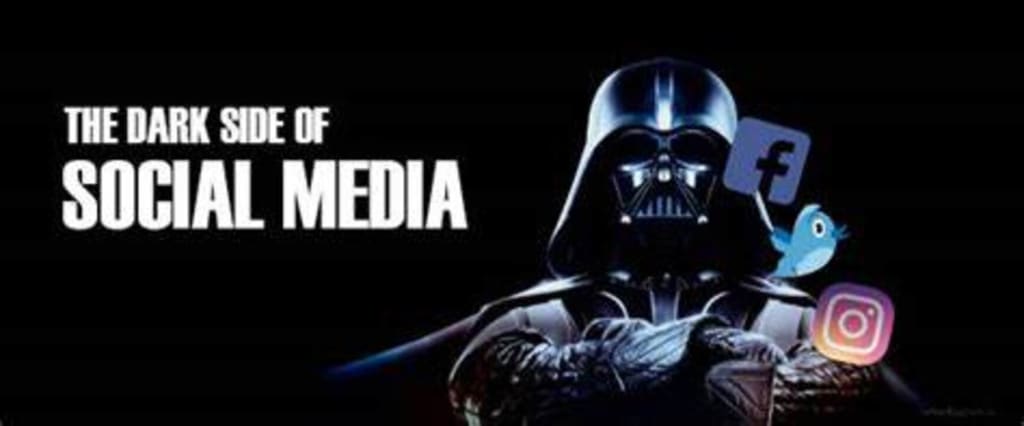
Social media has become an integral part of our daily lives, with billions of people using platforms such as Facebook, Instagram, Twitter, and TikTok to connect with others, share information, and stay up-to-date on the latest trends. While social media offers many benefits, such as providing a sense of community and enabling us to connect with people from all around the world, there is also a dark side to these platforms that is often overlooked. In recent years, researchers have begun to study the psychological effects of social media and have found that excessive use can have negative consequences on our mental health, relationships, and overall well-being. In this discussion, we will delve deeper into the dark side of social media, exploring the ways in which these platforms can impact our lives and offering insights into how we can navigate these challenges.
Social media has become an essential part of our lives. We use it to connect with our friends and family, stay informed on current events, and even find new job opportunities. However, as we have become more dependent on social media, there has been a growing concern about its impact on our mental health and overall well-being.
The dark side of social media is a topic that has garnered significant attention in recent years, with many studies highlighting the negative effects of excessive use of these platforms. Research has found that social media use can lead to feelings of anxiety, depression, and loneliness, particularly among younger generations. In this blog post, we will explore the psychological effects of social media, as well as the ways in which we can mitigate its negative impact on our lives.
One of the most significant challenges with social media is its addictive nature. Platforms like Facebook, Instagram, and Twitter are designed to keep us engaged by providing us with a constant stream of content. This endless scroll can make it difficult to disconnect, leading to feelings of overwhelm and burnout. Additionally, social media use has been linked to sleep disturbances, which can further exacerbate feelings of fatigue and anxiety.
Another concerning aspect of social media is its impact on self-esteem and body image. Platforms like Instagram are notorious for promoting unrealistic beauty standards, leading many users to feel inadequate or dissatisfied with their appearance. This can lead to a negative feedback loop, where users feel compelled to compare themselves to others, leading to feelings of insecurity and self-doubt.
Despite these challenges, there are ways in which we can mitigate the negative effects of social media. One of the most effective strategies is to limit our use of these platforms. This can be achieved by setting boundaries around social media use, such as by limiting our daily screen time or taking regular breaks from our devices. Additionally, we can try to be more mindful about the content we consume, choosing to follow accounts that promote positivity and self-care.
An example of how to apply the insights from "The Dark Side of Social Media: Understanding the Psychological Effects of Online Platforms" is by implementing some practical steps to minimize the negative impact of social media on our mental health.
For instance, suppose you feel overwhelmed and anxious every time you open your Instagram app because of the endless scroll and perfect-looking people on your feed. In that case, you can try the following tips:
Limit your daily screen time by setting a time limit on your device for social media use. This will help you be more mindful about how much time you spend on these platforms.
Unfollow accounts that promote unrealistic beauty standards or negativity. Instead, follow accounts that promote positivity, mental health, and self-care.
Take regular breaks from social media. It can be as simple as not checking your phone for an hour before bed or not scrolling through social media during meal times.
By implementing these tips, you can reduce the negative impact of social media on your mental health. You can also enjoy the benefits of staying connected with friends and family, staying informed on current events, and finding new job opportunities.
CONCLUSION
To sum up, social media has fundamentally changed how we communicate with one another and get information, but it also has a negative side that we must be aware of. Social media can have negative psychological impacts, and overuse can cause feelings of worry, despair, and loneliness. Social media can also negatively affect our self-esteem and body image, which can result in a variety of mental health problems.
We may, however, take measures to lessen social media's detrimental effects on our lives by being aware of the difficulties that come with it. We can take use of the advantages of social media while reducing the danger of harm by setting limits on how much time we spend on it and being more careful about the content we consume.
About the Creator
Revolution
Are you prepared to view the world through new eyes? and also delve deeply into the culture and history of each destination, revealing the tales and traditions that make each place so distinctive.
Keep reading
More stories from Revolution and writers in Education and other communities.
Thriving in the Remote Work and Digital Nomad Lifestyle
The rise of remote work and digital nomadism has transformed the way we think about work. No longer are we tethered to a traditional office environment - instead, we have the freedom to work from anywhere in the world. However, this newfound flexibility comes with its own set of challenges, including productivity, communication, and work-life balance. In this blog, we'll explore these challenges and provide some tips for thriving as a remote worker or digital nomad.
By Revolution3 years ago in Education
A Dart at Dusk
Seconds ago, the sullen sun set on the two of us… my exuberant furry companion and me. A fresh breeze embraces us, delivering welcome relief from the day’s oppressive heat. His typical stumbling and staggering along — apace with a sloth — has turned into trip-trapping, high-stepping, almost skipping along.
By Angie the Archivist 📚🪶4 days ago in Petlife



Comments
There are no comments for this story
Be the first to respond and start the conversation.