
Thriving in the Remote Work and Digital Nomad Lifestyle
Strategies for Productivity, Communication, and Work-Life Balance

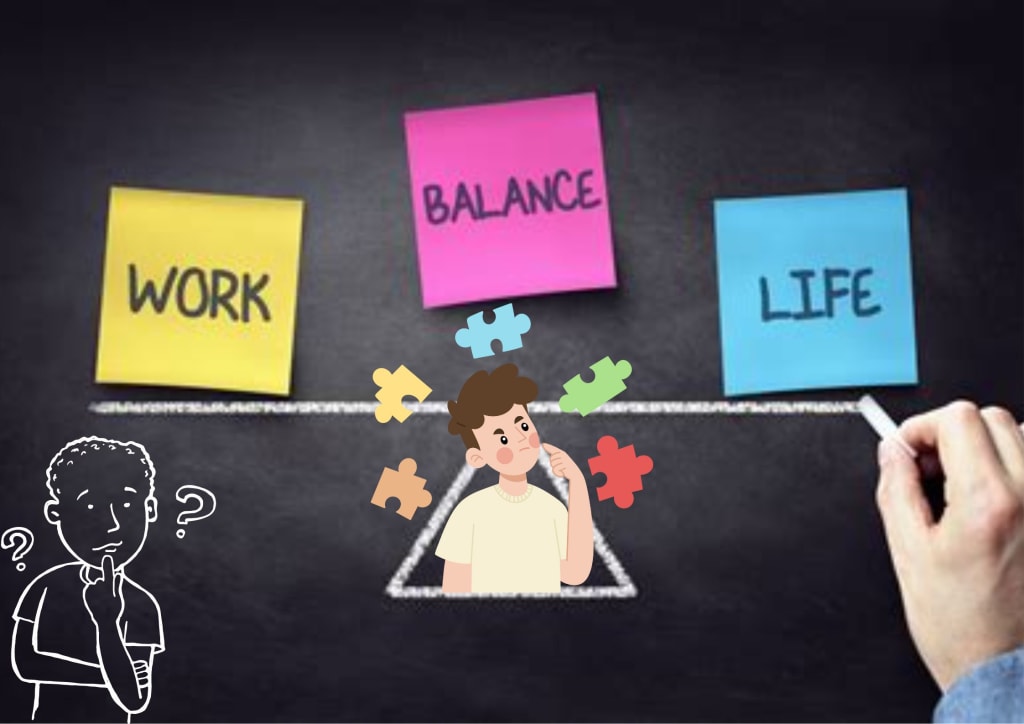
The rise of remote work and digital nomadism has transformed the way we think about work. No longer are we tethered to a traditional office environment - instead, we have the freedom to work from anywhere in the world. However, this newfound flexibility comes with its own set of challenges, including productivity, communication, and work-life balance. In this blog, we'll explore these challenges and provide some tips for thriving as a remote worker or digital nomad.
Productivity:
One of the biggest challenges of remote work is staying productive. Without the structure of a traditional office environment, it can be easy to get distracted or procrastinate. Here are some tips for staying focused:
Create a routine: Establish a routine that works for you, whether it's starting your day with a morning meditation, taking regular breaks, or setting a daily schedule.
Set boundaries: Set boundaries for yourself and others, whether it's designating a workspace, limiting social media usage during work hours, or setting specific times for meetings and calls.
Use productivity tools: There are many productivity tools available to help you stay organized and focused, such as time-tracking apps, project management software, and note-taking tools.
Communication:
Another challenge of remote work is communication. Without the benefit of face-to-face interactions, it can be difficult to build relationships and stay connected with coworkers or clients. Here are some tips for effective communication:
Use video conferencing: Video conferencing is a great way to connect with others in a more personal way than just email or messaging. It can also help reduce miscommunication and improve collaboration.
Over-communicate: When working remotely, it's important to be proactive in communicating with others. Make sure to keep everyone in the loop and don't assume that others know what you're working on.
Use the right tools: There are many tools available for remote communication, such as instant messaging, email, and project management software. Make sure to use the tools that work best for your team.
Work-Life Balance:
Finally, work-life balance can be a challenge when working remotely or as a digital nomad. Without the physical separation of work and home, it can be easy to blur the lines between the two. Here are some tips for maintaining a healthy work-life balance:
Establish boundaries: Set clear boundaries for when you are working and when you are not. This can include setting specific work hours, taking breaks throughout the day, and turning off your computer at a certain time.
Take care of yourself: Make time for self-care activities, such as exercise, meditation, or spending time with loved ones. These activities can help reduce stress and improve your overall well-being.
Find community: Working remotely can be isolating, so it's important to find a community of like-minded individuals. This can include joining a coworking space, attending virtual networking events, or connecting with other digital nomads on social media.
Here are some real-life examples that illustrate the challenges and benefits of remote work and digital nomadism:
Productivity:
Samantha is a digital marketer who works remotely for a startup company. She found it challenging to stay focused and productive at home, where there were many distractions. To overcome this, she created a routine that included setting a schedule, taking regular breaks, and using a time-tracking app. This helped her stay organized and focused, and she was able to complete her work more efficiently.
Communication:
David is a freelance writer who works with clients from all over the world. He found that communication could be a challenge, especially when working with clients in different time zones. To overcome this, he started using video conferencing more often, which allowed him to connect with his clients on a more personal level. He also made an effort to over-communicate, sending regular updates and making sure that everyone was on the same page.
Work-Life Balance:
Sarah is a digital nomad who travels the world while working remotely as a freelance graphic designer. She found it difficult to maintain a healthy work-life balance, as she was always on the go and had trouble separating work from leisure time. To overcome this, she established clear boundaries for when she would work and when she would take time off. She also made sure to take care of herself by scheduling in time for exercise, meditation, and other self-care activities.
Community:
Mark is a remote software engineer who works for a large tech company. He found that working remotely could be isolating, as he didn't have many opportunities to connect with coworkers or other professionals in his field. To overcome this, he joined a coworking space in his city, which allowed him to work alongside other remote workers and digital nomads. He also attended virtual networking events and made an effort to connect with other professionals on social media. This helped him feel more connected and supported in his work.
In conclusion, remote work and digital nomadism have become increasingly popular in recent years, offering many benefits such as flexibility, freedom, and the ability to work from anywhere in the world. However, these lifestyles also come with their own set of challenges, including productivity, communication, and work-life balance. By implementing the tips and strategies discussed in this blog, remote workers and digital nomads can overcome these challenges and thrive in their careers. With the right tools, mindset, and community support, remote work and digital nomadism can be a fulfilling and rewarding way to work in the modern world.
About the Creator
Revolution
Are you prepared to view the world through new eyes? and also delve deeply into the culture and history of each destination, revealing the tales and traditions that make each place so distinctive.
Keep reading
More stories from Revolution and writers in Education and other communities.
The COVID-19 Pandemic
The COVID-19 pandemic has caused massive disruption to our daily lives and has had a profound impact on societies and economies around the world. From public health to global trade, the pandemic has brought about significant changes that are likely to have long-lasting effects. In this blog, we will explore the global impact of COVID-19 and how the pandemic has changed our world.
By Revolution3 years ago in Education
How I Discovered Evan Roderick and Why His Work Stood Out
Sometimes, discovering a new actor feels like stumbling upon a hidden gem. That’s exactly how I felt when I first came across Evan Roderick. I wasn’t looking for anyone new to follow, and I had no idea who he was at the time. But as soon as I saw him perform, something clicked. His presence was different. His style was subtle but powerful. And as I explored more of his work, it became clear that Evan Roderick wasn’t just another rising actor—he was someone who brought something unique to the screen.
By Evan Roderick4 days ago in Education
Time Management Hacks Every Entrepreneur Should Know
Running a startup demands more than hustle—it requires precision in how you use your time. As a founder, your daily choices directly impact your company’s growth, culture, and long-term sustainability. Without the right strategies, it's easy to get overwhelmed by tasks and lose sight of what truly matters. Mastering a few smart productivity habits can dramatically improve how you work.
By Per Jacob Solli3 days ago in Education



Comments
There are no comments for this story
Be the first to respond and start the conversation.