
The Cultural Revolution: Are We Preserving Traditions or Creating a New Identity?
From Ancient Traditions to Digital Trends – How Culture is Evolving in the Modern World
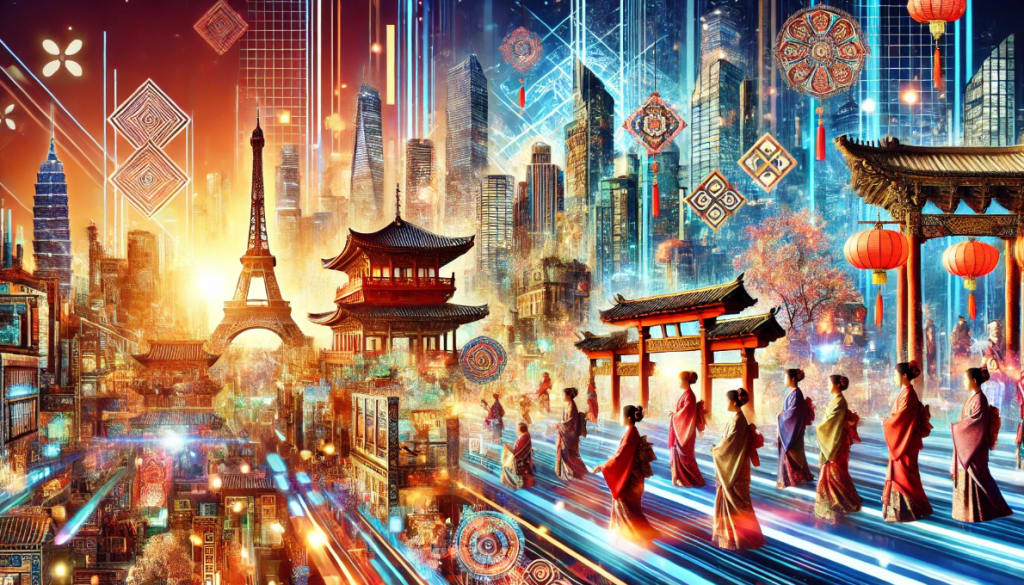
The Cultural Shift: How Modern Society is Redefining Traditions
Culture is the heartbeat of society. It shapes our values, beliefs, and the way we connect with one another. But in an era of globalization, social media, and rapid technological advancements, traditional cultures are evolving faster than ever before. Are we witnessing the loss of heritage, or is this the birth of a new cultural renaissance? Let’s explore how modern society is redefining traditions in surprising ways.
The Digital Influence: Culture at the Speed of Light
The internet has transformed how cultures interact. Social media platforms allow trends to spread across the globe in an instant. From viral dances on TikTok to global food fusion experiments, digital culture is blurring the lines between nations. But while technology makes traditions more accessible, it also raises concerns about authenticity. Are we preserving culture, or are we diluting its essence?
Moreover, with the rise of artificial intelligence, digital art, and even AI-generated music, questions arise about the role of human creativity in shaping cultural narratives. While some embrace this fusion, others fear that technology may erase the authenticity of cultural expression. The challenge lies in maintaining a balance between innovation and preserving traditional values.
The Rise of Individual Identity in a Global World
In the past, cultural identity was often tied to geography, family, and heritage. Today, people have more freedom than ever to create their own unique cultural identities. Music, fashion, and even language are being blended in new ways, giving rise to hybrid cultures. This shift empowers individuals but also sparks debates on whether traditional customs are being forgotten in the process.
For example, language is one of the strongest cultural markers, yet many indigenous dialects are disappearing at an alarming rate. While globalization has allowed for greater communication, it has also led to the dominance of major languages like English, Spanish, and Mandarin. Efforts to preserve linguistic diversity are growing, with communities turning to digital tools to document and teach endangered languages to future generations.
Modern Celebrations: Evolving Traditions
Holidays and traditions that were once deeply rooted in history are being reshaped by modern society. Festivals like Diwali, Christmas, and Lunar New Year are celebrated globally, sometimes in ways that differ from their original meanings. Even weddings, once bound by strict cultural expectations, now blend different traditions, reflecting diverse backgrounds and personal choices.
Take, for instance, the rise of destination weddings, where couples choose exotic locations instead of traditional hometown ceremonies. While this trend allows for greater personalization, some worry that it leads to the commercialization of sacred rituals. Similarly, traditional festivals are evolving with modern influences—lantern festivals now incorporate drone light shows, and ancient ceremonies are live-streamed to global audiences.
The Battle Between Preservation and Progress
As traditions evolve, many communities fight to preserve their heritage. Indigenous languages, folk art, and ancient customs face the risk of extinction. However, cultural revival movements are on the rise, with younger generations taking an active role in keeping their heritage alive—whether through social media advocacy, music, or fashion.
For instance, the rise of eco-friendly practices has led to a revival of traditional, sustainable methods of cooking, clothing production, and craftsmanship. Artisans are combining ancient techniques with modern designs to appeal to contemporary audiences while keeping their cultural heritage intact. Museums and cultural institutions are also leveraging technology, using virtual reality and interactive exhibits to engage younger generations in history and tradition.
The Future of Culture: A New Renaissance?
We are not losing culture; we are reshaping it. The fusion of old and new, local and global, is creating something entirely unique. While the world changes rapidly, one thing remains constant: the human need for connection, identity, and belonging. The future of culture may not look like the past, but it will continue to reflect the values and creativity of each generation.
Final Thoughts
Culture is not a relic of the past; it is a living, breathing force that evolves with time. While some may fear change, others see it as an opportunity to redefine traditions in meaningful ways. The question is, how will you contribute to this cultural evolution?
What are your thoughts on modern cultural shifts? Are we preserving heritage or creating something entirely new? Let’s discuss!
About the Creator
Top 4 AI certifications to Land High-Paying Jobs in 2026
With artificial intelligence becoming a core business necessity in 2026, and organizations moving towards Agentic AI systems along with specialized infrastructure, the demand for professionals who can build, deploy, integrate, and even use these intelligent systems is growing.
By Anu shreyaa day ago in Education
Designing a Meaningful Future: Strategic Planning for Mission-Focused Entrepreneurs
In today’s evolving business landscape, entrepreneurs are increasingly motivated by more than financial success. Many are building companies around a mission to create social, environmental, or community-driven impact. While passion and vision ignite these ventures, strategic planning transforms purpose into a lasting, scalable business. For mission-focused entrepreneurs, planning is not about restriction but about clarity, alignment, and sustainable growth.
By Mario Payne6 days ago in Education




Comments
There are no comments for this story
Be the first to respond and start the conversation.