
The Body's Silent Maestro: Unveiling the Magic of Homeostasis
Maintaining Balance: How Your Body Orchestrates Optimal Health
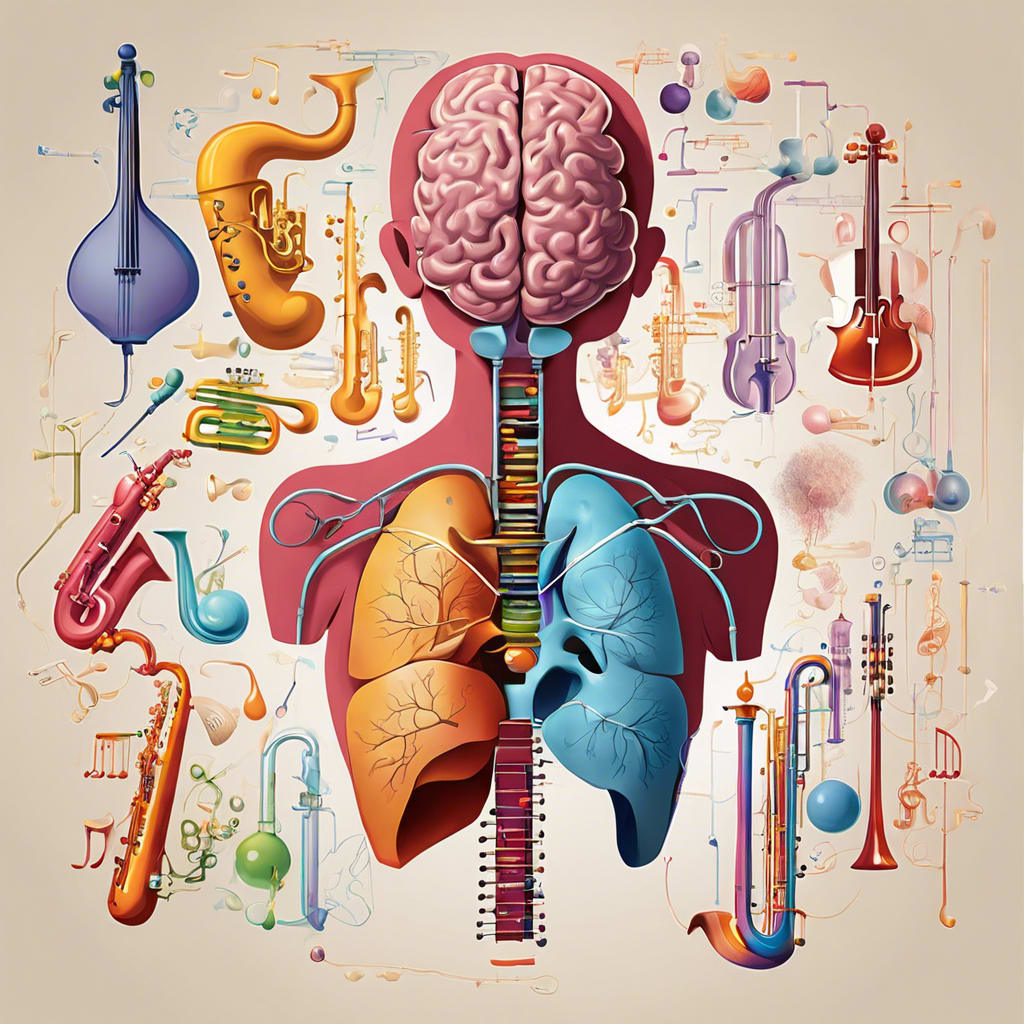
The Body's Silent Maestro: Unveiling the Magic of Homeostasis
Have you ever wondered how your body manages to stay cool on a scorching summer day or maintains a constant internal temperature despite a workout? The answer lies in a remarkable process called homeostasis – the body's silent maestro, constantly working behind the scenes to ensure a stable internal environment.
The Balancing Act: Understanding Homeostasis
Imagine your body as a complex ecosystem, where various elements need to function in harmony for optimal health. Homeostasis ensures this harmony exists by continuously monitoring and regulating a wide range of internal parameters, including:
- Temperature: Your body strives to maintain a core temperature around 37°C (98.6°F). When you're hot, blood flow increases to your skin, and sweating helps cool you down through evaporation. Conversely, shivering and restricted blood flow to the skin generate warmth when cold.
- Water Balance: Maintaining adequate fluid levels is crucial for various bodily functions. The hypothalamus, a key player in homeostasis, regulates thirst and urine output to ensure proper water balance.
- Electrolyte Levels: Electrolytes like sodium and potassium are essential for nerve and muscle function. Homeostasis regulates these levels through hormonal control and kidney function.
- Blood Sugar Levels: Insulin and glucagon, hormones produced by the pancreas, work together to regulate blood sugar levels, ensuring your body has the energy it needs to function.
- Oxygen and Carbon Dioxide: Homeostasis regulates breathing to maintain optimal levels of oxygen and carbon dioxide in the bloodstream, crucial for cellular respiration and preventing hypoxia (oxygen deficiency).
Beyond the Basics: Compensation and Disruptions
The body's ability to adapt and maintain balance is remarkable. During exercise, for example, increased muscle activity and metabolism lead to a rise in body temperature. Homeostasis activates sweating and increased blood flow to the skin to compensate and maintain a healthy core temperature. However, this compensatory process has its limits.
- External Disruptions: Factors like extreme temperatures, toxins, trauma, and infections can disrupt homeostasis. For instance, exposure to severe heat can overwhelm the body's cooling mechanisms, leading to heatstroke.
- Chronic Conditions: When the body's ability to compensate weakens, chronic conditions like diabetes or kidney disease can develop. In diabetes, the body struggles to regulate blood sugar effectively, while chronic kidney disease can lead to electrolyte imbalances.
Understanding Specific Disruptions to Homeostasis
While homeostasis strives for balance, let's explore some common disruptions and how they impact our health:
- Sleep Apnea: This common sleep disorder disrupts breathing patterns, leading to fluctuating oxygen and carbon dioxide levels in the bloodstream. Chronic sleep apnea can contribute to high blood pressure, heart disease, and daytime fatigue.
- Autoimmune Diseases: These conditions occur when the immune system mistakenly attacks healthy tissues. For example, in type 1 diabetes, the immune system destroys insulin-producing cells in the pancreas, leading to problems regulating blood sugar levels.
- Mental Health Conditions: Chronic stress can disrupt hormone production and lead to imbalances in neurotransmitters like serotonin and dopamine, affecting mood, sleep, and overall well-being.
The Importance of a Healthy Lifestyle
While the body strives for homeostasis, some lifestyle choices can disrupt this delicate balance. Here are some tips to support optimal homeostasis:
- Balanced Diet: Consuming a balanced diet rich in fruits, vegetables, and whole grains provides your body with the essential nutrients it needs to function optimally.
- Regular Exercise: Physical activity improves circulation, regulates blood sugar levels, and promotes overall well-being. Aim for at least 150 minutes of moderate-intensity exercise per week.
- Hydration: Staying adequately hydrated is crucial for maintaining electrolyte balance and proper body function. Aim to drink plenty of water throughout the day, especially during hot weather or exercise.
- Quality Sleep: Sleep allows the body to repair and recharge, vital for maintaining hormonal balance and overall health. Most adults require 7-8 hours of quality sleep per night.
- Stress Management: Chronic stress can disrupt hormone production and weaken the body's ability to maintain homeostasis. Techniques like meditation, yoga, or deep breathing can help manage stress effectively.
By understanding homeostasis and adopting healthy lifestyle practices, we can empower our bodies to maintain optimal internal balance and promote overall well-being. Remember, a well-functioning homeostatic system is the foundation for a healthy and resilient body. If you have any concerns about potential imbalances in your body, consulting a healthcare professional is crucial for personalized guidance and early intervention when necessary.
Emerging Technologies Supporting Homeostasis
The field of health and wellness is constantly evolving, offering new tools to support homeostasis:
- Wearable Biosensors: Devices like smartwatches and fitness trackers monitor vital signs like heart rate, sleep patterns, and body temperature, providing insights into your body's response to stress or exercise. This data can empower you to adjust your lifestyle choices and optimize your overall health.
- Personalized Nutrition Plans: Genetic testing is becoming increasingly accessible, paving the way for personalized nutrition plans based on individual genetic profiles. These plans can identify potential nutrient deficiencies and recommend dietary adjustments to optimize nutrient intake for better homeostasis.
- Biofeedback Techniques: Biofeedback uses sensors to measure physiological responses like heart rate and blood pressure. By visualizing these responses in real-time, individuals can learn to manage them through relaxation techniques, potentially aiding in maintaining homeostasis and managing stress-related conditions.
The Gut-Homeostasis Connection: A New Frontier
Emerging research sheds light on a fascinating link between the gut microbiome (the trillions of bacteria residing in our gut) and overall health. A balanced gut microbiome plays a crucial role in digestion, immune function, and even mood regulation. Studies suggest that imbalances in the gut microbiome may contribute to various health concerns, including obesity, inflammatory bowel disease, and even chronic fatigue.
Prebiotics and Probiotics: Prebiotics are dietary fibers that serve as food for gut bacteria, while probiotics are live bacteria supplements. Including prebiotics in your diet (think fruits, vegetables, and whole grains) and considering probiotic supplements, under the guidance of a healthcare professional, may contribute to maintaining a healthy gut microbiome and potentially support overall homeostasis.
In conclusion, homeostasis is a fascinating and vital process that ensures a stable internal environment within our bodies. By understanding how it works, actively supporting its function through healthy choices, and embracing emerging technologies and dietary approaches, we can empower ourselves to live a life filled with vitality and optimal health. Remember, a well-functioning homeostatic system is the foundation for a healthy and resilient body. If you experience any concerning symptoms that might indicate a disruption in homeostasis, consulting a healthcare professional is crucial for prompt diagnosis and proper treatment.
About the Creator
suren arju
Hi there! I'm Suren, your startup guide. Entrepreneur, writer, dreamer - I share insights, tips & stories to fuel your startup journey. Ready to explore, learn & win together? Join me & let's redefine how we launch, learn & leap!
Keep reading
More stories from suren arju and writers in Education and other communities.
The Silent Orchestra: Unveiling the Power of Your Endocrine System
The Silent Orchestra: Unveiling the Power of Your Endocrine System Have you ever wondered why you feel a surge of energy after a good night's sleep, or why your body craves something sweet after a workout? These seemingly unrelated experiences are all orchestrated by a remarkable system within you – the endocrine system. Often referred to as the body's silent orchestra, the endocrine system works tirelessly behind the scenes, directing a complex symphony of hormones that influence nearly every aspect of our health and well-being.
By suren arju2 years ago in Education
Top 10 Essential Skills for Success in 2026
By 2026, the job market is no longer driven only by degrees or titles. Technology, especially Artificial Intelligence (AI), automation, and remote work, has changed how companies operate and how people work. Many routine tasks are now handled by machines, while humans are expected to do work that requires thinking, judgment, creativity, and emotional understanding. This shift means that skills — not just education — determine success. The following 10 skills are considered essential for 2026 because they combine technology awareness with human intelligence. Let’s understand them one by one, step by step.
By Talha khan5 days ago in Education



Comments
There are no comments for this story
Be the first to respond and start the conversation.