
The Silent Orchestra: Unveiling the Power of Your Endocrine System
Beyond Mood Swings: Understanding the Symphony of Hormones
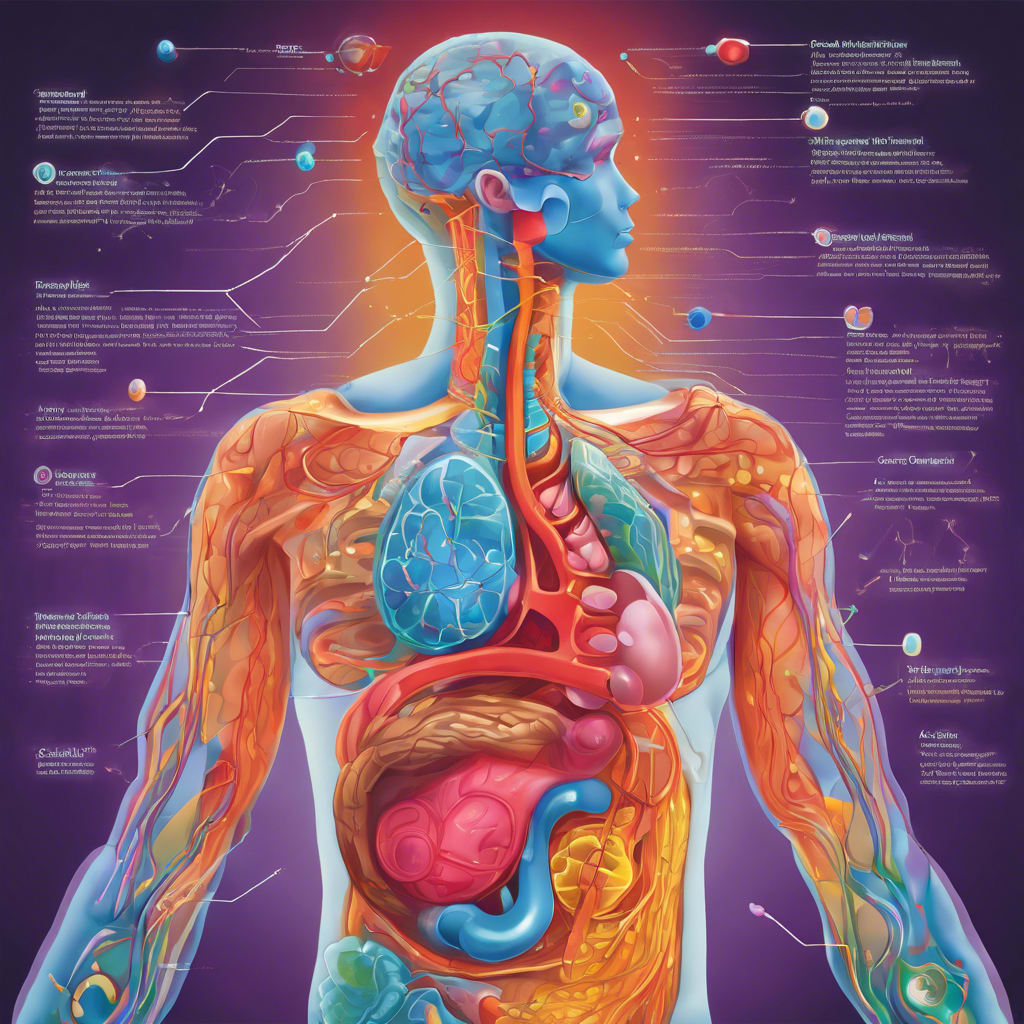
The Silent Orchestra: Unveiling the Power of Your Endocrine System
Have you ever wondered why you feel a surge of energy after a good night's sleep, or why your body craves something sweet after a workout? These seemingly unrelated experiences are all orchestrated by a remarkable system within you – the endocrine system. Often referred to as the body's silent orchestra, the endocrine system works tirelessly behind the scenes, directing a complex symphony of hormones that influence nearly every aspect of our health and well-being.
The Master Conductors: Glands and Hormone Production
The endocrine system comprises a network of specialized glands, each with a distinct role in hormone production. Imagine these glands as talented musicians, each playing a unique instrument - a hormone. The pancreas, for example, houses clusters of cells called islets of Langerhans, responsible for producing insulin and glucagon, hormones that regulate blood sugar levels. Other key players include the pituitary gland, often referred to as the "master gland" due to its influence on other hormone-producing glands, the thyroid gland, which regulates metabolism, and the adrenal glands, responsible for stress hormones like cortisol.
Hormonal Harmony: A Delicate Dance of Communication
Unlike the messengers we rely on in our daily lives, hormones don't need a physical address to deliver their message. These chemical messengers are released directly into the bloodstream, traveling throughout the body until they reach their target cells. Think of them as skilled dancers, specifically designed to interact with receptors on certain cells. When a hormone encounters its corresponding receptor, it triggers a specific action within that cell. For example, insulin, released by the pancreas, binds to receptors on muscle cells, prompting them to take up glucose from the bloodstream, thereby regulating blood sugar levels.
A Symphony of Effects: Hormones and Their Impact
The intricate dance of hormone production and interaction has a profound impact on a wide range of bodily functions. Here are some key examples:
- Growth and Development: Hormones like growth hormone, produced by the pituitary gland, play a crucial role in childhood growth and development. They regulate bone growth, muscle development, and overall physical maturation.
- Metabolism: Thyroid hormones secreted by the thyroid gland significantly influence our metabolism – the rate at which the body burns calories for energy. An imbalance in these hormones can lead to weight fluctuations, fatigue, and other health concerns.
- Mood and Emotion: Hormones like dopamine and serotonin, produced by the brain, are major players in regulating our mood and emotional state. Imbalances in these hormones can contribute to anxiety, depression, and other mental health challenges.
- Reproduction: Sex hormones, such as estrogen and testosterone, are essential for sexual development, reproduction, and maintaining a healthy libido.
- Stress Response: The adrenal glands release cortisol, often referred to as the "stress hormone," in response to perceived threats. While cortisol plays a vital role in the body's fight-or-flight response, chronically elevated cortisol levels can have detrimental effects on health.
Beyond the Basics: Emerging Trends in Hormone Health
The field of endocrinology is constantly evolving, with new discoveries and advancements offering valuable insights into optimizing hormone health. Here are some recent trends to be aware of:
- Personalized Hormone Testing: New technologies are making it easier to measure hormone levels with greater accuracy. This personalized approach allows healthcare professionals to tailor treatment plans based on individual hormone profiles. For instance, salivary testing is gaining traction as a non-invasive alternative to traditional blood tests for measuring certain hormones.
- Bioidentical Hormone Replacement Therapy (BHRT): BHRT is a type of hormone therapy that uses hormones structurally similar to those naturally produced by the body. While BHRT has gained popularity for managing symptoms of menopause and andropause, further research is needed to determine its long-term safety and efficacy.
- The Gut-Hormone Connection: Emerging research suggests a fascinating link between gut bacteria and hormone production. The trillions of bacteria residing in our gut microbiome may play a role in regulating hormones that influence digestion, mood, and overall well-being. Studies are ongoing to explore how manipulating the gut microbiome can potentially optimize hormone health.
Taking Center Stage: Understanding Specific Hormone-Related Conditions
While the endocrine system orchestrates a symphony of hormones, imbalances can disrupt the harmony, leading to various health conditions. Here's a closer look at some common conditions:
- Diabetes: This chronic condition affects how the body regulates blood sugar levels. Type 1 diabetes results from an autoimmune destruction of insulin-producing cells in the pancreas, while type 2 diabetes is characterized by the body's inability to use insulin effectively. Symptoms can include excessive thirst, frequent urination, fatigue, and blurred vision. Early diagnosis and management through medication and lifestyle changes, including a balanced diet and regular exercise, are crucial for controlling blood sugar levels and preventing complications.
- Thyroid Disorders: The thyroid gland can become underactive (hypothyroidism) or overactive (hyperthyroidism), leading to a cascade of symptoms. Hypothyroidism can cause fatigue, weight gain, and sensitivity to cold, while hyperthyroidism can present with anxiety, weight loss, and heat intolerance. Treatment options for thyroid disorders typically involve medication to regulate hormone production.
- Polycystic Ovary Syndrome (PCOS): This hormonal imbalance affects ovulation and can lead to irregular periods, weight gain, and excessive facial hair growth. PCOS can also increase the risk of diabetes and heart disease. Management strategies for PCOS often involve lifestyle modifications like weight management and healthy eating patterns, along with medications to regulate ovulation and reduce androgen levels.
The Final Note: Maintaining Hormonal Harmony
The endocrine system, though silent, plays a critical role in our overall health. By understanding its function and embracing healthy lifestyle practices, we can support hormonal balance and promote optimal well-being. Eating a balanced diet rich in fruits, vegetables, and whole grains, getting enough sleep (7-8 hours per night for adults), managing stress effectively through techniques like yoga or meditation, and engaging in regular exercise are all key contributors to a healthy endocrine system. If you have any concerns about potential hormone imbalances, it's crucial to consult with a healthcare professional for personalized guidance. Early detection and appropriate management of hormone-related conditions can significantly improve quality of life.
In conclusion, the endocrine system is a complex yet fascinating network that orchestrates a symphony of hormones, influencing everything from our growth and development to our mood and metabolism. By fostering hormonal harmony through a healthy lifestyle and seeking professional guidance when necessary, we can empower our bodies to function optimally and experience vibrant well-being.
About the Creator
suren arju
Hi there! I'm Suren, your startup guide. Entrepreneur, writer, dreamer - I share insights, tips & stories to fuel your startup journey. Ready to explore, learn & win together? Join me & let's redefine how we launch, learn & leap!
Keep reading
More stories from suren arju and writers in Education and other communities.
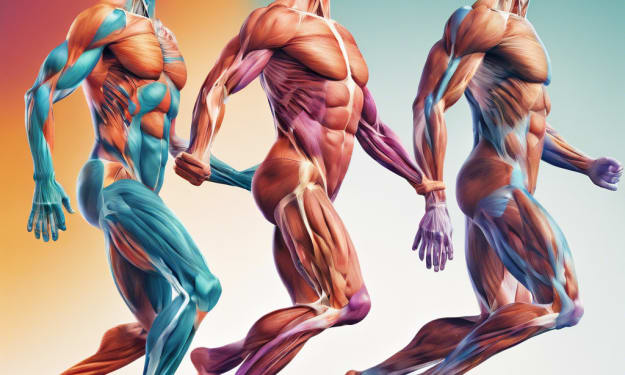
The Unsung Heroes: Unveiling the Power and Potential of Your Muscles
The Unsung Heroes: Unveiling the Power and Potential of Your Muscles Our bodies are marvels of engineering, a complex interplay of tissues and organs working in perfect harmony. While some elements, like the heart or lungs, often take center stage, others operate silently but no less critically. Muscles, the building blocks of movement, are a prime example. These remarkable tissues, comprising 40-50% of our body mass, are the unsung heroes that empower us to perform everything from breathing to running a marathon. By delving into the fascinating world of muscle function, we gain a deeper appreciation for their power and potential.
By suren arju2 years ago in Education
Key Qualities to Look for in a Financial Advisor for Your Retirement Goals
Choosing a financial advisor is one of the most important decisions you will make as you prepare for retirement. The right advisor can help you create a strong financial plan, protect your savings, and guide you through complex decisions about investments, taxes, and income distribution. Since retirement planning involves long-term commitments, it is essential to work with someone who understands your goals and values. Knowing what to look for in a financial advisor ensures you choose a professional who can support your financial security for years to come.
By Keith D'Agostino6 days ago in Education
The Confidence Advantage: How Transparent Communication Builds Lasting Investor Trust
Investor relationships thrive on more than financial returns. While performance attracts attention, trust sustains commitment over time. In an environment shaped by rapid information flow and shifting market conditions, transparency has become one of the most powerful tools for building and maintaining investor confidence. When organizations communicate clearly and consistently, they strengthen relationships that endure well beyond short-term results.
By Michael Christopher Venturinoabout 16 hours ago in Education
Wild Card Weekend Recap: What Happens Now?
I think I figured out why I love Wild Card Weekend so much. It's because it's the first playoff anything of the calendar year. The NFL season starts in the fall, and once upon a time, the champion was crowned either on or slightly before New Year's. The evolution of the NFL schedule has resulted in the playoffs starting just into the New Year, and currently, the final week of the season falls on the first weekend of the New Year, with Wild Card Weekend coming a week after that. So yes, chronologically, the NFL's Wild Card Weekend serves as the first playoff anything of the calendar year.
By Clyde E. Dawkins7 days ago in Unbalanced



Comments
There are no comments for this story
Be the first to respond and start the conversation.