
The Best Education for Children
Why the smartest classroom might not have four walls


Story:
The Best Education for Children
“What’s the best education for children?”
It’s a question that parents across cultures, countries, and generations have asked—whispered in playgrounds, typed into search engines late at night, or worried silently while watching their child struggle with homework.
We all want the same thing: to raise kind, confident, curious kids who thrive in the world. But the definition of “best education” has shifted, especially in an age where technology, mental health, creativity, and global awareness play just as much of a role as textbooks.
I didn’t always think this way. I used to believe the best education meant perfect grades, strict structure, and prestigious schools. That’s what I grew up hearing. That’s what most of us were told.
But then I became a parent—and everything changed.
My Son's First Day of School
My son, Samir, was four when he attended his first preschool class.
We had picked a school with excellent reviews, modern classrooms, and a strong academic curriculum. It looked like everything a parent should want.
But after a few weeks, I started noticing small changes.
He stopped asking the millions of questions he usually did. He no longer spent hours building Lego cities or drawing alien maps. He became quieter, more anxious, and less excited about mornings.
One day, he said something that broke my heart:
"Mama, I think I’m not smart enough for school."
He was four.
That was the moment I realized something crucial: the best education doesn’t begin with grades. It begins with joy.
What Real Education Looks Like
When we think of education, we often imagine a classroom with desks, a whiteboard, and a teacher at the front. But learning doesn't just live in buildings.
Learning is everywhere—on kitchen countertops, in neighborhood gardens, under blankets with flashlights and storybooks, during long car rides, and especially in moments of curiosity.
I once watched Samir spend an entire afternoon trying to figure out how shadows moved on the floor. He wasn’t trying to “win” anything or get a grade. He was just deeply present, fully engaged, and learning by doing.
That’s what real education looks like: inspired exploration, not pressured memorization.
A New Approach
We switched Samir to a different school a few months later—one that focused less on early academics and more on creative play, emotional development, and hands-on learning.
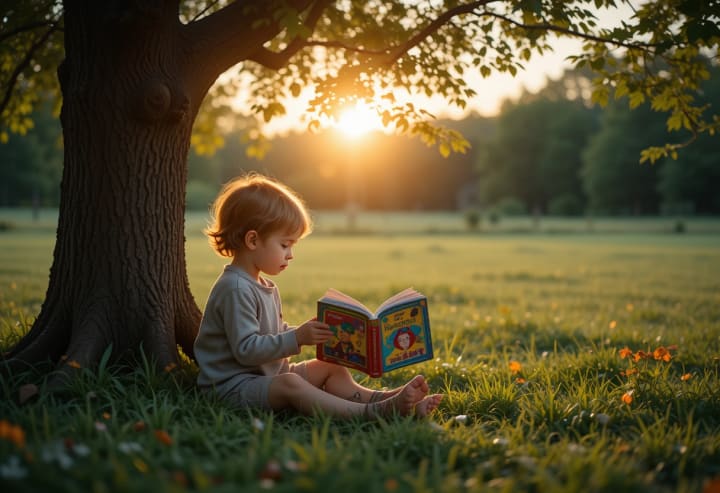
He thrived.
He started asking questions again:
“Why does the moon follow us when we drive?”
“Do ants have birthdays?”
“Can I make my own alphabet?”
I knew then: he wasn’t behind—he was becoming himself again.
And that is the best education of all: one that grows with the child, not against them.
What Truly Matters
So, what makes an education “the best” for children?
Here’s what I’ve learned:
Connection over content
Children learn best when they feel safe, seen, and supported—not just taught.
Curiosity over conformity
When kids are allowed to explore their interests, they become lifelong learners—not just temporary achievers.
Skills over scores
Emotional intelligence, empathy, problem-solving, resilience—these skills matter just as much, if not more, than test results.
Real-world relevance
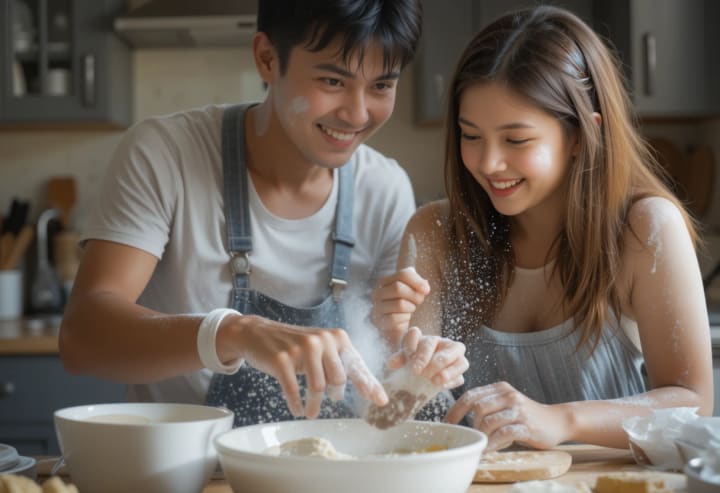
Let kids cook, plant, count coins, tell stories, fix things—life teaches in powerful ways.
Creativity and critical thinking
The future needs creators, thinkers, builders, and collaborators—not just memorization machines.
What Every Child Deserves
Every child deserves a chance to love learning—not fear it.
Every child deserves teachers who see their potential—not just their test scores.
Every child deserves parents who celebrate who they are, not just what they achieve.
The best education doesn’t demand perfection.
It invites play, imagination, and growth.
It doesn’t pressure—it prepares.
It doesn’t standardize—it nurtures.
And most importantly, the best education doesn’t try to change who a child is.
It simply gives them the space, support, and tools to become everything they already have the seeds to be.
Final Thoughts
The world our children will inherit is changing faster than ever. We don’t know what careers will exist in 20 years, what challenges they’ll face, or what tools they’ll use.
But we do know this:
If we raise them to be confident, curious, kind, creative, and emotionally aware—they’ll be ready for anything.
And that, in my eyes, is the best education we can ever offer.
About the Creator
Keep reading
More stories from waseem khan and writers in Education and other communities.
How Problem-Solving Shapes the Success of Modern Entrepreneurs
Entrepreneurship today is defined by constant change and relentless challenges. Business leaders are no longer operating in stable, predictable environments; instead, they face shifting markets, evolving customer expectations, and rapid technological advancements. In this environment, problem-solving has become the cornerstone of entrepreneurial success. The ability to identify issues, analyze them critically, and create practical solutions separates thriving ventures from those that struggle to survive. Entrepreneurs who develop strong problem-solving skills are better equipped to innovate, make strategic decisions, and guide their businesses toward sustainable growth.
By Greg Warnocka day ago in Education
Genomic Breakthroughs, Life-Changing Impact
Scientific discovery has always played a vital role in advancing human health, but few fields have transformed medicine as dramatically as genomics. By exploring the structure and function of genes, scientists have gained powerful insights into how diseases develop, how individuals respond to treatments, and how health risks can be predicted before symptoms appear. These genomic breakthroughs are not only advancing science but also changing lives around the world. From personalized medicine to improved disease prevention, the impact of genomics is reshaping healthcare, offering hope, understanding, and better outcomes for countless people.
By Mark Bouzyk3 days ago in Education


Comments
There are no comments for this story
Be the first to respond and start the conversation.