
The Best 4 Reasons To Avoid Using Plastic Water Bottles.
Why You Shouldn't Drink from Plastic Water Bottles


Our health and survival depend on water. However, a sizable number of individuals purchase water in plastic bottles each day rather than using it straight from the tap. This trend is seriously harming both our environment and our health.
Recent research has found that water marketed in plastic bottles includes microplastics at concentrations that may be harmful to human health.
Although many of us have probably heard these facts, a lot of people still rely on them to stay hydrated. Therefore, seeing the big picture will help us understand things more clearly.
We will list the top 4 health and environmental reasons why you should not purchase or use plastic water bottles in this article.
1. Plastic bottled water isn’t better than tap water:
We can simply believe that bottled water tastes better because it is psychologically appealing. However, bottled water is not more beneficial or healthy than tap water. The majority of plastic bottled water costs a lot of money and is simply tap water that has gone through some filtration at the factory before being packaged. Simply put, you are merely paying for the expensive labels and packaging.
Manufacturers advertise their goods using language that gives the impression that they are the purest available. However, it is a marketing ploy. You can simply filter water at home if you'd rather not use bottled water bottles.
2. Our ecosystem is polluted by plastic:
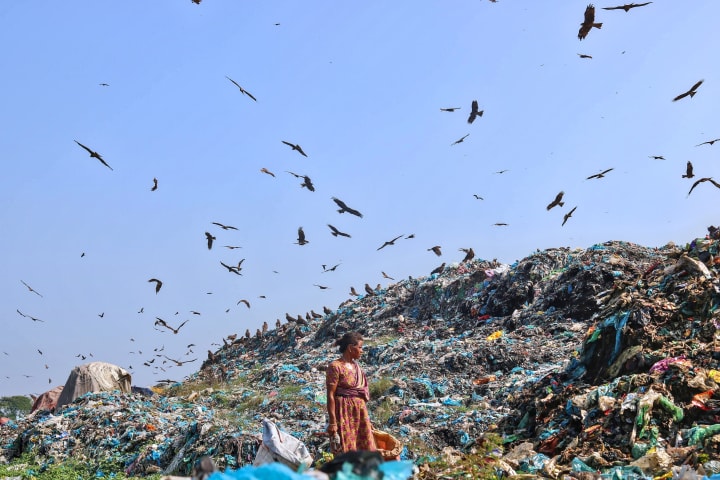
Plastic bottles are not favorable to the environment. They take approximately 450 years to partially degrade in landfills and are not biodegradable. Sadly, using plastic water bottles generates a lot of trash. Plastic makes up around 90% of the rubbish found on lakes and ocean surfaces. Every year, billions of plastic water bottles are discarded in the United States alone.
According to a recent study funded by the World Wildlife Fund (WWF), the average individual now unintentionally consumes about 5 grams of plastic per week, which is equal to the weight of one credit card.
Plastic is a threat to the ecosystem, as well as to birds and other wildlife. They severely harm wildlife and shatter into tiny fragments. Every year, millions of birds and animals perished as a result of plastic feeding. Additionally, the production of plastic is not sustainable in any form and significantly contributes to the depletion of groundwater.
3. Dangerous poisons are present in many plastic bottles:
The truth is that consumers now use more plastic-bottled water because they believe it to be healthier and more hygienic. But that is untrue. Plastic is unhealthy for you. Even though businesses utilize BPA-free plastic bottles, if the bottles are exposed to heat or are left around for a long period, additional dangerous chemicals may leach out. Even at small doses, these compounds have the potential to produce sadness, nausea, and vertigo.
According to a survey, 90% of the world's bottlers of bottled water are tainted with minute pieces of plastic, including renowned brands like Bisleri and Aquafina. In addition to this, the pollution included residues of chemicals known to cause cancer.
4. Resources are wasted when plastic bottles are used:
Plastic water bottles are not just wasteful, but more water is consumed and wasted during their manufacture. The Pacific Institute estimates that 3 liters of water are used to manufacture 1 liter of bottled water. Many towns and villages had a water deficit as a result of this.
Over 50 Indian villages have experienced water shortages as a result of Coca-water Cola's extraction practices for one of its brands of bottled water and other products.
The manufacture of bottles uses a lot of natural resources and energy. Oil is used not only to make plastic but also to transport and send such packages. Only in the U.S., it takes more than 17 million barrels of oil to make enough plastic water bottles to satisfy the country's yearly consumption.
Learn more about some biggest negative effects of plastic water bottles on our health bottles by clicking here.
About the Creator
Keep reading
More stories from Desiign Wood and writers in Education and other communities.
The Lean Advantage: How Small Improvements Create Massive Business Wins
In today’s fast-moving market, businesses don’t always need massive overhauls to see major growth. The real competitive advantage often comes from Lean process improvement—small, consistent changes that reduce waste, improve speed, and strengthen customer value. With a proactive approach, companies can spot inefficiencies early, prevent recurring problems, and build smarter systems before minor issues become costly setbacks.
By Duke Valentour5 days ago in Education



Comments
There are no comments for this story
Be the first to respond and start the conversation.