
The Benefits of Mindfulness Meditation: Techniques and Practices for Cultivating Inner Peace and Self-Awareness
Techniques and Practices for Cultivating Inner Peace and Self-Awareness
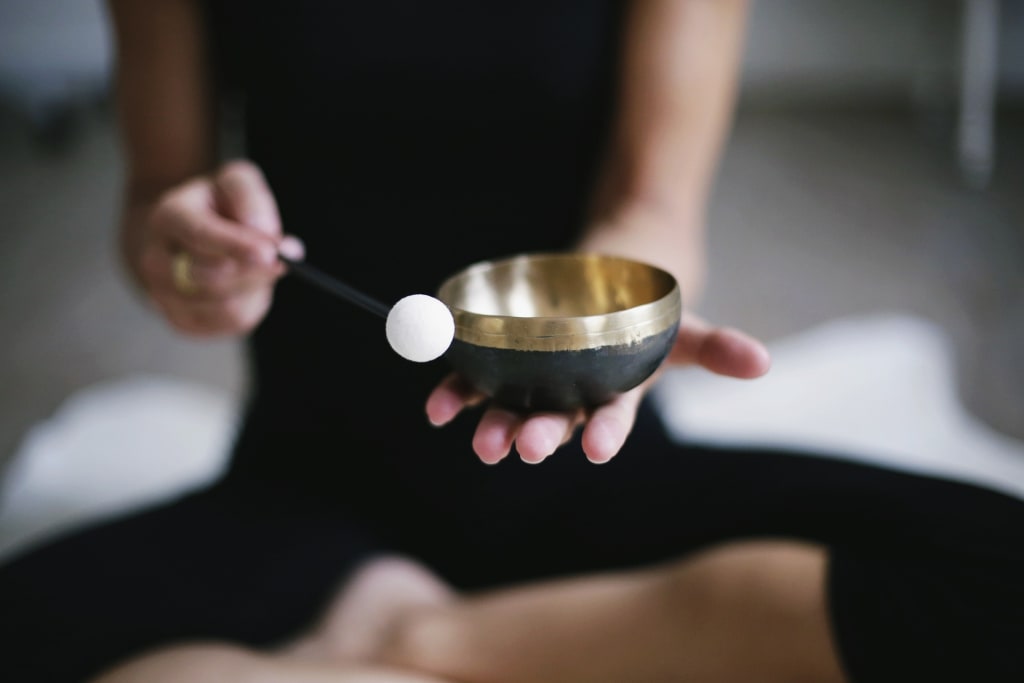
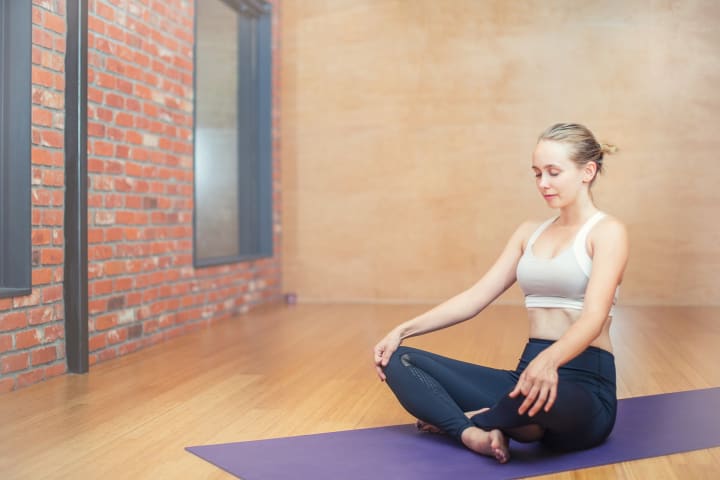
Mindfulness meditation has become an increasingly popular practice in recent years, and for good reason. This ancient practice offers a wide range of benefits that can help individuals cultivate inner peace and self-awareness, leading to a more fulfilling and happy life.
In this article, we will explore the benefits of mindfulness meditation, as well as some techniques and practices that can help you get started.

What is mindfulness meditation?
Mindfulness meditation is a type of meditation that involves focusing your attention on the present moment, without judgment. This means letting go of any distractions or thoughts about the past or future, and simply being aware of what is happening in the here and now.
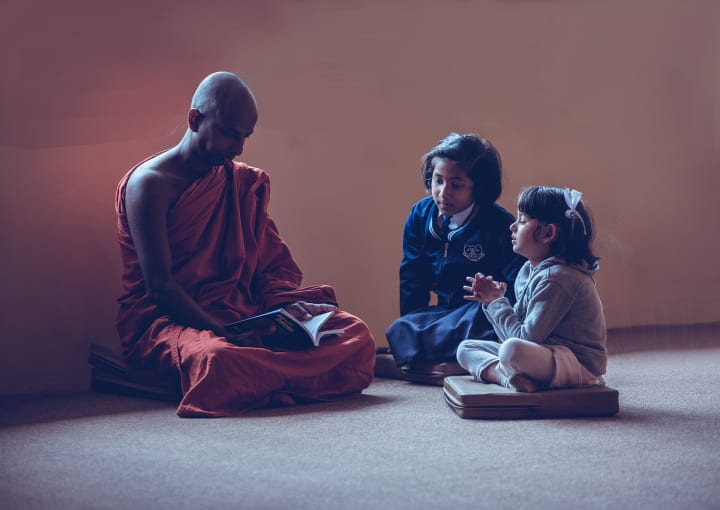
While mindfulness meditation has its roots in Buddhist traditions, it has since been adapted for use in secular contexts, such as psychotherapy and wellness practices.

Benefits of mindfulness meditation
There are numerous benefits to practicing mindfulness meditation, including:
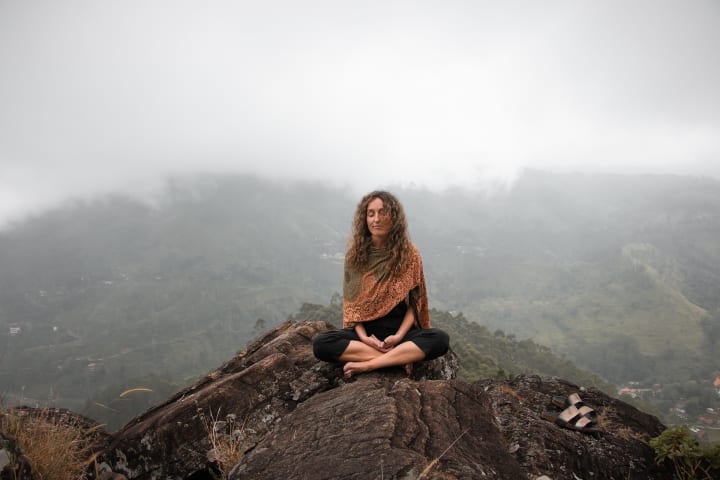
1. Reduced stress and anxiety: One of the primary benefits of mindfulness meditation is its ability to reduce stress and anxiety. By focusing your attention on the present moment, you can let go of worries about the future or regrets about the past, leading to a greater sense of calm and relaxation.
2. Increased self-awareness: Mindfulness meditation can also help you become more self-aware, which can be beneficial for personal growth and development. By paying attention to your thoughts and feelings, you can gain a better understanding of yourself and your behaviors.
3. Improved concentration: With regular practice, mindfulness meditation can help improve your ability to concentrate and focus. This can be helpful for tasks that require sustained attention, such as studying or working on a project.
4. Better sleep: Mindfulness meditation has also been shown to improve sleep quality. By reducing stress and anxiety, it can help you fall asleep more easily and stay asleep throughout the night.
5. Reduced symptoms of depression: Mindfulness meditation may also be beneficial for individuals who experience symptoms of depression. Studies have shown that it can help reduce feelings of sadness and hopelessness, and improve overall mood.

Techniques and practices for mindfulness meditation
If you are interested in incorporating mindfulness meditation into your daily routine, there are several techniques and practices that can help you get started.

1. Mindful breathing: One of the simplest techniques for mindfulness meditation is mindful breathing. Simply find a quiet place to sit or lie down, and focus your attention on your breath. Notice the sensation of air entering and leaving your body, and let go of any distractions or thoughts that come up.
2. Body scan: Another technique for mindfulness meditation is the body scan. This involves lying down and bringing your attention to different parts of your body, starting at your toes and working your way up to your head. As you focus on each part of your body, notice any sensations or feelings that arise.
3. Loving-kindness meditation: Loving-kindness meditation involves directing feelings of love and kindness towards yourself and others. Start by finding a quiet place to sit, and focus your attention on your breath. As you breathe, imagine sending feelings of love and kindness to yourself, a loved one, and eventually, all beings.
4. Mindful movement: Mindful movement practices, such as yoga or tai chi, can also be a form of mindfulness meditation. These practices involve focusing your attention on your movements and sensations, and letting go of any distractions or thoughts.
Tips for incorporating mindfulness meditation into your daily routine
If you are new to mindfulness meditation, it can be helpful to start small and gradually build up your practice. Here are some tips for incorporating mindfulness meditation into your daily routine:

1. Start with just a few minutes a day: Begin by setting aside just a few minutes each day for mindfulness meditation. As you become more comfortable with the practice, you can gradually increase the amount of time you spend meditating.
2. Find a consistent time and place: It can be helpful to establish a consistent time and place for your mindfulness meditation practice. This can help you build a habit and make it easier to stick to your routine.
3. Use guided meditations: If you are new to mindfulness meditation, you may find it helpful to use guided meditations. There are many apps and online resources that offer guided meditations for free.
4. Be patient with yourself: It is important to remember that mindfulness meditation is a practice, and it takes time and patience to develop. If you find your mind wandering or become frustrated, simply acknowledge the thought or feeling and bring your attention back to your breath.
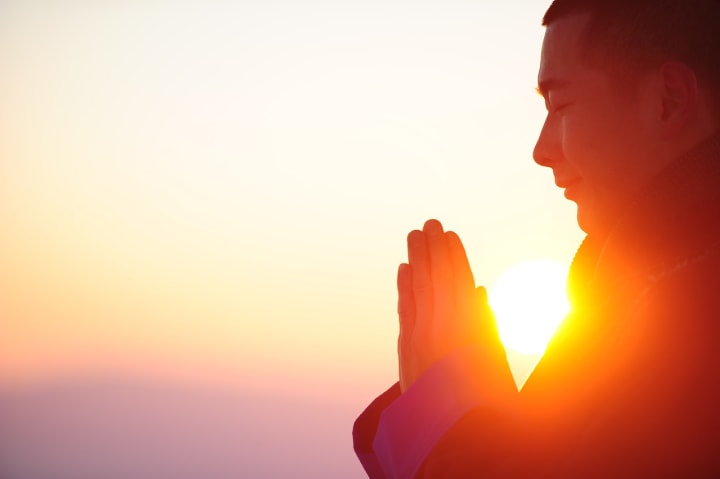
In conclusion, mindfulness meditation offers a wide range of benefits for both mental and physical well-being. By incorporating mindfulness meditation into your daily routine, you can cultivate greater inner peace and self-awareness, leading to a more fulfilling and happy life. Whether you are new to mindfulness meditation or an experienced practitioner, there are many techniques and practices to explore that can help you deepen your practice and experience the benefits of mindfulness meditation.
About the Creator
Keep reading
More stories from Abhishek Sharma and writers in Education and other communities.
The New Age of Remote Work: How to Build a Successful Career as a Digital Nomad
The past few years have seen a significant shift in the way we work. The concept of remote work has become increasingly popular, with more and more people embracing the idea of working from anywhere in the world. The rise of digital nomads has been particularly noteworthy, with individuals choosing to travel and work simultaneously. This trend is only set to grow as technology continues to improve, and companies recognize the benefits of remote work. In this article, we will explore how to build a successful career as a digital nomad.
By Abhishek Sharma3 years ago in Education
The Digital Pulse Kenya Mobile Money Revolution and the Roadmap to 2026
Kenya has long been celebrated as the global "cradle" of mobile money. Since the launch of M-Pesa in 2007, the nation has skipped the traditional banking phase and leaped directly into a digital-first economy. However, as we move through 2026, the narrative is no longer just about "financial inclusion." It is about Financial Sophistication. Today, mobile money in Kenya is a mature, trillion-shilling ecosystem that has moved beyond peer-to-peer (P2P) transfers into the realms of decentralized finance (DeFi), AI-driven lending, and a structural shift in how physical cash is handled. In this deep dive, we explore how Kenya is redefining its digital pulse and what the future holds for the world's most successful mobile money market.
By Neeraj kumar3 days ago in Education
A Priceless Lesson in Lif
A Priceless Lesson in Life – Story No. 2641 Do not rush to judge anyone. Shazia Mubashir Once, there was a man who had four sons. He wished for his sons to learn an important lesson: never make hasty judgments about anyone or anything. He wanted them to understand that judging without experience and observation over time can lead to misunderstandings. To teach them this valuable lesson, the man devised a plan. He decided to send each son on a journey to observe a pear tree in a distant area.
By Sudais Zakwan7 days ago in Education



Comments
There are no comments for this story
Be the first to respond and start the conversation.