
The Benefits of Meditation and How to Get Started
Unlocking Inner Peace: The Powerful Benefits of Meditation and How to Begin

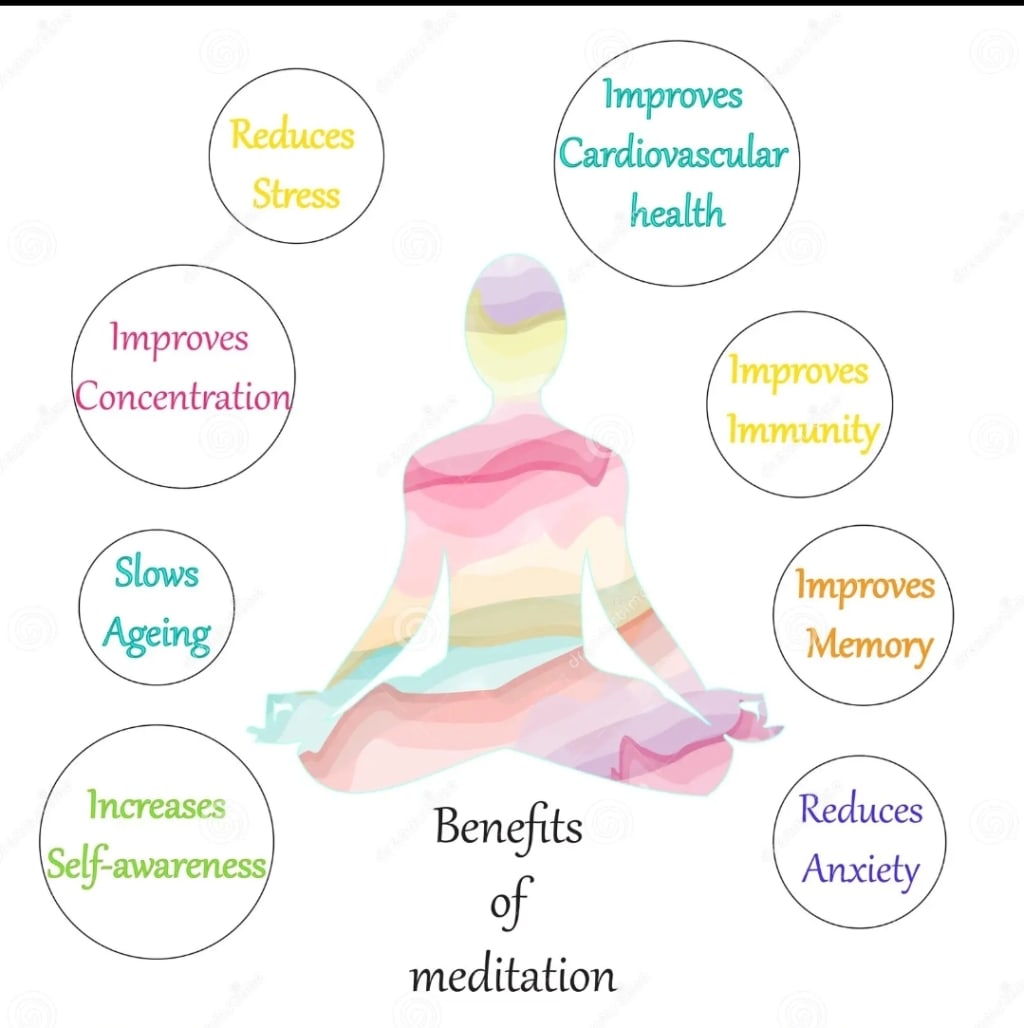
Meditation has been practiced for thousands of years, originating in ancient traditions as a way to promote mental clarity, self-awareness, and emotional balance. Today, it has become a widely popular practice, embraced by people from all walks of life, from busy professionals to athletes to spiritual seekers. The benefits of meditation extend far beyond the realm of relaxation; it can have profound effects on mental, emotional, and even physical health. If you're new to meditation or looking to deepen your practice, this article will explore the numerous benefits of meditation and provide practical guidance on how to get started.
One of the most well-known benefits of meditation is its ability to reduce stress. In today's fast-paced world, stress is a common challenge that many people face. Chronic stress can contribute to a variety of physical and mental health issues, including anxiety, depression, and even heart disease. Meditation helps activate the body’s relaxation response, reducing the levels of stress hormones like cortisol. When practiced regularly, meditation can train the mind to respond to stressful situations with greater calmness and clarity, helping you navigate challenges with a sense of inner peace.
Another key benefit of meditation is its ability to improve focus and concentration. In a world full of distractions, it can be difficult to stay present and focused on the task at hand. Meditation helps train the mind to be more attentive and aware, enhancing cognitive function and boosting productivity. Mindfulness meditation, in particular, encourages you to focus on the present moment, which helps reduce mental clutter and sharpen your attention. Over time, regular meditation practice can improve your ability to concentrate, making it easier to stay focused on work, studies, or personal projects.
Meditation also has a powerful impact on emotional well-being. By cultivating mindfulness and self-awareness, meditation allows you to become more in tune with your emotions. Rather than reacting impulsively to difficult emotions like anger, fear, or sadness, meditation helps you observe them without judgment and respond more thoughtfully. This heightened emotional awareness leads to greater emotional regulation, making it easier to handle negative emotions in a healthy way. Studies have shown that meditation can reduce symptoms of anxiety and depression, providing a natural and effective way to improve mental health.
In addition to emotional benefits, meditation can enhance physical health. Research has shown that regular meditation can lower blood pressure, improve heart health, and strengthen the immune system. The relaxation response triggered by meditation helps reduce tension in the body, which can alleviate physical symptoms associated with stress, such as headaches, muscle pain, and digestive issues. Meditation has also been linked to improved sleep, as it promotes relaxation and helps quiet the mind before bedtime. For those who suffer from insomnia or other sleep disorders, meditation can be a valuable tool for achieving more restful and rejuvenating sleep.
Furthermore, meditation can foster a greater sense of self-compassion and mindfulness. When we are caught up in the busyness of life, it’s easy to become disconnected from ourselves and our needs. Meditation provides a space to slow down, reflect, and cultivate self-awareness. By practicing meditation, you can develop a greater sense of compassion for yourself, accepting your flaws and imperfections without judgment. This sense of self-compassion extends to how you relate to others, fostering greater empathy and kindness in your interactions.
Now that we've explored the many benefits of meditation, let's discuss how to get started. Meditation may seem intimidating at first, especially if you're new to the practice, but it doesn't require any special skills or equipment. All you need is a quiet space, a comfortable position, and a willingness to be present.
One of the simplest ways to begin is with mindfulness meditation. Start by finding a quiet place where you won't be disturbed. Sit in a comfortable position, either on a chair, cushion, or floor, with your back straight and your hands resting on your knees or in your lap. Close your eyes or keep them gently focused on a point in front of you. Take a few deep breaths to relax and settle into the present moment.
The key to mindfulness meditation is focusing on your breath. As you inhale and exhale, bring your full attention to the sensation of the breath entering and leaving your body. If your mind starts to wander, gently bring your focus back to your breath without judgment. It’s natural for the mind to wander, so don’t worry if this happens. The goal is to observe your thoughts without getting caught up in them, simply noticing them and letting them pass.
Start with just a few minutes of meditation each day, gradually increasing the time as you feel comfortable. Even five to ten minutes of meditation can provide noticeable benefits, so don’t feel pressured to meditate for long periods of time. Consistency is more important than duration, so try to make meditation a regular part of your daily routine.
Another popular meditation practice is guided meditation. This involves following along with an audio or video recording where a teacher or guide leads you through a series of relaxation techniques, visualizations, or mindfulness exercises. Guided meditation can be a helpful way to get started, as it provides structure and direction. There are many apps and online resources available that offer free guided meditations, so you can explore different styles and find one that resonates with you.
If you’re looking to deepen your practice, you may also want to explore other forms of meditation, such as loving-kindness meditation (also known as "metta"), which focuses on cultivating compassion and kindness toward yourself and others. There’s also transcendental meditation, which involves repeating a mantra to quiet the mind, and body scan meditation, which involves progressively relaxing each part of the body. The beauty of meditation is that there are many different techniques to explore, so you can find one that works best for you.
In addition to formal meditation, you can also incorporate mindfulness into your daily life. Mindfulness is the practice of being fully present and engaged in whatever you’re doing, whether it’s eating, walking, or having a conversation. By bringing mindfulness into your daily activities, you can carry the benefits of meditation with you throughout the day, helping you stay calm, focused, and centered in the midst of everyday stress.
In conclusion, meditation offers a wide range of benefits for both the mind and body. By reducing stress, improving focus, enhancing emotional well-being, and fostering greater self-compassion, meditation can lead to a healthier, more balanced life. Whether you're new to meditation or looking to deepen your practice, the key is to start small, be patient with yourself, and enjoy the process. With regular practice, meditation can become a powerful tool for cultivating inner peace, clarity, and resilience in your life.
About the Creator
Nora Ariana
Empowering through stories and sound igniting purpose, sparking growth, and awakening the power within.
Keep reading
More stories from Nora Ariana and writers in Education and other communities.
A goal is a dream with a deadline
A goal is a dream with a deadline. This powerful quote reminds us that without action, dreams remain just that wishes floating in our imagination. But when we set a timeline and commit to achieving them, they evolve into goals, bringing clarity, direction, and purpose. Many people go through life holding on to dreams, hoping they will come true someday. But someday is not a day on the calendar. Dreams without structure often fade with time or get buried under the weight of daily responsibilities. Turning a dream into a goal is what separates those who achieve from those who continue to wish.
By Nora ArianaExclusive • 9 months ago
The Living Language of Creativity: Why Art Continues to Shape Human Experience
Art has existed for as long as humans have sought to express meaning beyond survival. Universal creative dialogue allows people to communicate emotions, beliefs, and ideas that cannot always be captured through words alone. From early symbolic markings to contemporary visual culture, art reflects how individuals and societies understand themselves and the world around them.
By Marissa Haughabout 6 hours ago in Education
Decoding the Rise and Fall of Global Commodity Markets
Commodity markets have always moved in waves, rising and falling in response to forces that stretch far beyond daily trading activity. These movements can appear chaotic on the surface, yet beneath the volatility lies a structure shaped by economics, human behavior, and long-term investment patterns. From energy and metals to agricultural products, commodities follow cycles that repeat over time, although never in the same way. Understanding these cycles offers clarity in markets often seen as unpredictable.
By Anthony Blumberg7 days ago in Education



Comments
There are no comments for this story
Be the first to respond and start the conversation.