
The Beginner's Guide to the Ketogenic Diet
Unlock the Benefits of the Ketogenic Lifestyle

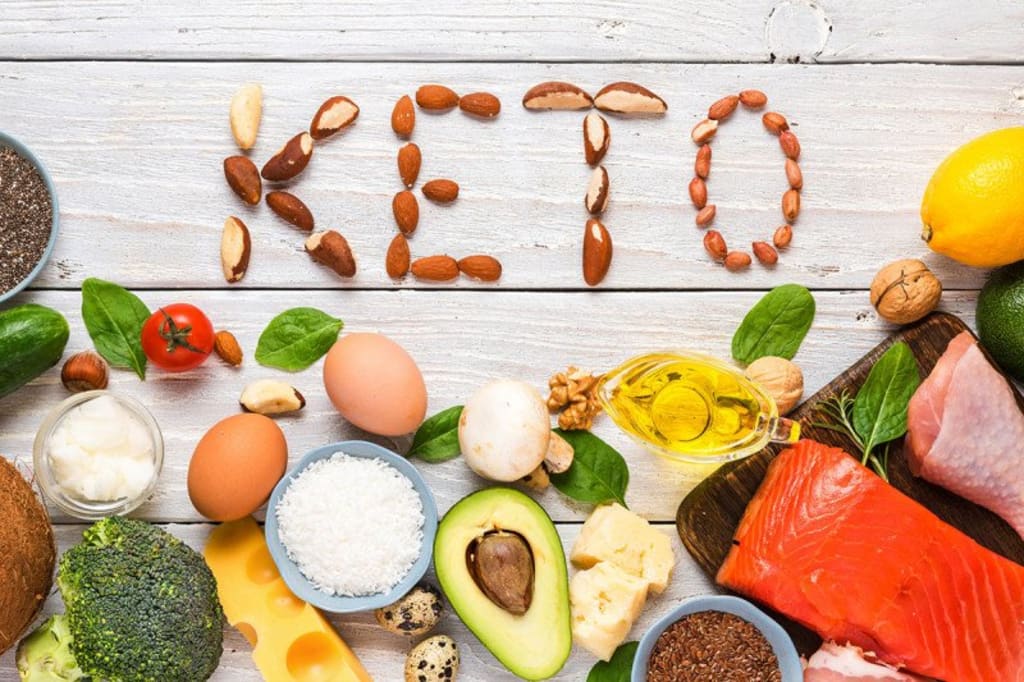
Introduction
Are you interested in trying the ketogenic diet but feeling overwhelmed by the details? If so, you've come to the right place. In this beginner's guide to the ketogenic diet, you'll get a comprehensive overview of the diet, including its health benefits and how to get started. We'll also provide you with a sample meal plan and several recipes to get you started on the ketogenic diet. With this guide, you'll have all the information you need to make the ketogenic diet work for you.
What is the Ketogenic Diet?
The ketogenic diet is a high-fat, low-carb, and moderate-protein approach to eating that has gained popularity in recent years due to its potential to help people lose weight, improve metabolic health, and even treat some medical conditions. This approach to nutrition involves drastically reducing carbohydrate intake and replacing those calories with fats and some protein. This process forces the body to use stored fat and dietary fats as a source of fuel, leading to a process called ketosis.
Ketogenic diets are usually broken down into 4 different levels - standard (SKD), cyclical (CKD), targeted (TKD), and high-protein (HPKD) - depending on the levels of fat, carbohydrate, and protein intake. The SKD is the most basic version of the ketogenic diet, with a ratio of fat to protein and carbohydrates of 4-to-1. The CKD is similar to the SKD, but with the ability to alternate between higher and lower carb days. The TKD is another approach to the keto diet, allowing for some carbohydrates around the time of exercise. Finally, the HPKD is a higher-protein version of the keto diet, with more protein and less fat than the other versions.
Regardless of the type of ketogenic diet you choose to follow, the general rule is to keep your overall calories from fat at around 75–90%. Ketone levels should be monitored to make sure you are reaching ketosis. When starting a ketogenic diet, it's important to adjust your calorie and macronutrient intake to ensure you are eating the right amount of foods.
There are several potential benefits to following a ketogenic diet, including weight loss, improved metabolic health, improved cognitive function, and a reduction in the risk of various illnesses. However, it is important to remember that it's always best to consult with your healthcare provider before starting a new diet or making any major changes to your eating habits.
Health Benefits of the Ketogenic Diet
The Ketogenic Diet, also known as the Keto Diet, is a low-carb and high-fat nutrition plan that has become increasingly popular as a weight loss and health-promoting strategy. When following a Ketogenic Diet, you are drastically reducing your intake of carbohydrates and replacing them with healthy fats. The result is that your body enters a metabolic state known as ketosis which leads to improved weight management and health benefits.
The health benefits of the Ketogenic Diet are numerous, but here are some of the most notable ones:
1. Weight Loss: One of the biggest benefits of the Ketogenic Diet is weight loss. By reducing your carbohydrate intake, your body is forced to burn fat for fuel instead of carbs. This makes it easier to maintain a healthy weight. Additionally, you may find that eating a high-fat and low-carb diet provides more satiety than a regular calorie-restricted diet, which can help with appetite control and reduce cravings between meals.
2. Lower Blood Pressure: Research suggests that the Ketogenic Diet can lead to lower blood pressure in individuals with pre-existing hypertension. By reducing your daily carbohydrate intake, your body may produce less insulin, which in turn, helps control blood pressure.
3. Improved Cognitive Function: Numerous studies have investigated the potential of the Ketogenic Diet to improve cognitive function. These include improved memory, focus, and general cognitive performance. This is most likely due to the increased levels of ketone bodies in the blood which fuel the brain.
4. Reduced Risk of Cancer: The Ketogenic Diet can also help reduce the risk of developing certain types of cancer. While the exact mechanism is not yet known, some research suggests that reducing carbohydrates and increasing fat intake may promote a healthy immune system that can resist disease.
5. Reduced Risk of Heart Disease: The Ketogenic Diet has also been shown to reduce cholesterol, triglycerides, and other indicators of heart health. By replacing carbohydrates with healthy fats, the body can more efficiently utilize the nutrients it needs, leading to improved cholesterol and triglyceride levels.
Overall, the health benefits of the Ketogenic Diet can be far-reaching, from improved weight management to improved heart health. Although it may be challenging to adjust to a low-carb lifestyle, the potential health benefits can be worth the effort.
Weight Loss
The Ketogenic Diet has been gaining popularity as an effective weight-loss tool. This diet is a high-fat, low-carbohydrate diet that induces a state of ketosis, allowing the body to use fat as a source of energy instead of carbohydrates or glucose. With this in mind, it is important for those interested in starting a Ketogenic Diet to understand the basics before diving into the details.
Before beginning a Ketogenic Diet, it is important to understand the calorie and macronutrient ratios. Ketogenic diets typically require a ratio of 70–75% fat, 20–25% protein, and 5–10% carbohydrates. It is also important to understand which foods are included in each macronutrient group and which to avoid or limit. A typically ketogenic diet includes healthy sources of fats such as avocados, nuts, and olive oil; protein choices such as fish, pork, poultry, and eggs; and carbohydrates such as non-starchy vegetables. Foods to be avoided or limited to a ketogenic diet include starches and sugars, processed foods, and unhealthy fats.
Being mindful of these basics of the ketogenic diet allows individuals to make informed decisions regarding what they should and should not include in their diets. With the right knowledge and practice, the ketogenic diet can be an effective method of weight loss.
Diabetes Management
For individuals with diabetes, the Ketogenic Diet can provide invaluable assistance in managing the condition. This high-fat, low-carb diet can help individuals to maintain healthy blood sugar levels, reduce insulin resistance, and ultimately reduce the risk of long-term complications from the disease. Through careful monitoring of food intake and regular medical check-ups, individuals can maximize the beneficial effects of the Ketogenic Diet. Furthermore, regular physical activity, such as strength or aerobic training, can help individuals to maintain muscle mass and reduce the risk of further detrimental effects from diabetes. By taking the necessary steps to master the basics of the Ketogenic Diet, individuals can effectively manage their diabetes and enjoy a healthier and more enjoyable life.
Cancer Treatment
The ketogenic diet has shown promise in aiding in cancer treatment. Studies have revealed that the diet has the potential to inhibit tumor growth and reduce symptoms associated with chemotherapy. The diet works by significantly reducing the amount of glucose in the body which, in turn, starves the cancer cells which rely on glucose for survival. The ketogenic diet is also known to reduce inflammation, reduce oxidative stress, and improve overall mental and physical health. Taking all of these factors into consideration, it may be worthwhile to consider the benefits of the ketogenic diet when treating cancer.
How to Start on a Ketogenic Diet?
Starting a ketogenic diet is relatively easy, but it can be challenging to get it just right. In order to begin a successful keto diet, it is important to understand the basics and how to tailor the diet to your individual needs. With that in mind, this guide will provide a comprehensive look at the fundamentals of the ketogenic diet, from the various food groups and nutrient ratios to the practical tips for starting and succeeding with this diet.
Begin by removing temptations from your kitchen, such as unhealthy snacks and hidden sugars. When starting a ketogenic diet, the first step is to figure out your ideal macronutrient ratio and calorie intake. Since success on the ketogenic diet primarily relies on maintaining a very low carbohydrate intake (usually less than 50g of carbohydrates daily), calculate your carbohydrate-to-protein-to-fat ratios so you can adjust them as needed. As a general rule of thumb, the ratio should be high in fat, moderate in protein, and low in carbohydrates.
Next, familiarize yourself with the ketogenic diet-friendly food groups. This includes healthy fats such as olive oil, coconut oil, butter, and avocado; proteins such as eggs, poultry, fish, and meat; and vegetables and fruits that are low in carbohydrates such as greens, cauliflower, cucumber, bell peppers, and tomatoes. Additionally, the keto diet includes fermented dairy products like Greek yogurt, cottage cheese, and ricotta cheese. It also includes some nuts and seeds, and dark chocolate that is at least 70% cocoa.
To stay in ketosis, you will likely need to limit your carb intake to around 20–50g of net carbs per day, depending on your body and goals. Eating a variety of nutrient-dense, high-fat, and low-carb foods is key to success with the ketogenic diet. To improve your chances of success, try to focus on whole, unprocessed foods. Avoid added sugars, unhealthy fats, and processed grains.
Finally, start gradually. When taking on the keto diet, it is important to ease into the plan, if possible. This gives your body and metabolism time to adjust. Start by cutting out processed and sugary foods, then focus on adding healthy fats, proteins, and low-carb vegetables. As you get used to the diet, you can begin to adjust the ratios of carbohydrates, protein, and fat. With consistent practice and commitment, you can make the ketogenic diet work for you.
Step 1: Learn About Calories and Macronutrients
Getting started on the ketogenic diet can be daunting, but it is important to understand the fundamentals of the diet before you begin. The first step is to become familiar with calories and macronutrients, as they are essential to the success of the diet. When following a ketogenic diet, your calorie intake should come primarily from fat, with only a small amount of carbohydrates and protein. Additionally, you must understand the macronutrient ratios that constitute a ketogenic diet. For example, a traditional ketogenic diet typically consists of 75% fat, 20% protein, and 5% carbohydrates. By familiarizing yourself with the number of calories and macronutrients required for a ketogenic diet, you will be well on your way to mastering the basics of the ketogenic diet.
Step 2: Calculate Your Macros
Once you've determined your calorie intake, the next step in mastering the basics of the Ketogenic diet is to calculate the macronutrient requirements for your body. Macronutrients, or macros for short, are the essential nutrients needed to sustain life. This includes carbohydrates, proteins, and fats. Each macronutrient plays a different role in the body and has its own set of benefits. With a Ketogenic diet, the emphasis is placed on a high-fat, moderate-protein, and low-carbohydrate intake. Calculating your macros will depend on your individual calorie needs and desired macronutrient ratios. It is important to have the exact amounts in order to enter and stay in the state of ketosis and optimize the weight-loss benefits of the diet.
Step 3: Pick Your Foods
Once you understand the basics of the Ketogenic diet and have a plan in place, you can move on to the next step: picking your foods. When it comes to choosing the right foods for the Ketogenic diet, you'll have to look at their overall nutrition content and the number of carbohydrates they contain. You should focus on lean proteins and healthy fats, such as avocados and nuts while avoiding processed foods and carbohydrates. To make sure you're getting the right balance of nutrients, be sure to include high-fiber vegetables, like spinach and kale, in your daily diet. This is important for keeping your body properly fueled and maintaining a healthy weight.
Transform your body and achieve your weight loss goals with our revolutionary product - click here to discover the secret!
Ketogenic Diet Meal Plan

When starting a Ketogenic Diet, the meal plan can seem overwhelming, but it doesn't have to be. A simple way to begin is by focusing on eating nutrient-dense, low-carbohydrate whole foods that are easy to prepare. A daily meal plan based on the Ketogenic Diet should include three meals and two snacks per day. Each meal should have an adequate amount of fat, protein, and low-carbohydrate vegetables.
Breakfast should consist of a high-fat food source and protein. Examples of these can be eggs, bacon, salmon, avocado, and nuts. For lunch, a common option is a salad made with greens and other low-carb vegetables like cucumbers, peppers, tomatoes, and onions. Top the salad with some protein, like grilled chicken or fish, and a keto-friendly dressing. For dinner, grilled lean proteins with a side of cooked vegetables is a common option. Snack options include nuts, cheese, and low-carb fruits.
In addition to the meal plan, there are a few other steps to take when starting a Ketogenic Diet. The first is to ensure that adequate amounts of fat and protein are included in each meal. Second, make sure to limit carbohydrate intake. Third, plan ahead by prepping meals ahead of time and packing them for lunch. Lastly, make sure to stay hydrated by drinking plenty of water and healthy beverages.
Following a Ketogenic Diet can be intimidating, but with proper planning, you can make it work. Start by creating a simple meal plan with nutrient-dense, low-carb whole foods that are easy to prepare. Also, make sure to drink plenty of fluids to stay hydrated and limit carbohydrate intake. By following these basic steps, you can easily master the basics of the Ketogenic Diet.
Recipes for the Ketogenic Diet
When it comes to adapting to the Ketogenic Diet, it's important to get creative with the recipes you use. This can help you get the most out of the diet and make it enjoyable to actually stick to. Here are some great recipes for the Ketogenic Diet that are both tasty and healthy.
• Low-Carb Lasagna - Lasagna is a classic dish that can easily be adapted to the Ketogenic Diet. Start by replacing the lasagna noodles with layers of thinly sliced eggplant. Then make the "meat" layer from ground pork sausage and ricotta cheese. Finally, top with a nice blend of mozzarella, Parmesan cheese, and tomato sauce.
• Avocado Egg Salad - Egg salad is a great source of protein for the Ketogenic Diet and it's easy to make. Simply boil eggs, mash them with a fork, add mayonnaise and diced avocado, then season with salt and pepper. Serve on a bed of lettuce or in between slices of low-carb bread.
• Salmon Cakes - Salmon is a great source of healthy fats and essential fatty acids which is perfect for the Ketogenic Diet. To make some delicious salmon cakes, mix together cooked salmon, diced red onion, eggs, and a tablespoon of olive oil. Form into patties, then shallow fry in a skillet until golden brown.
• Keto-Friendly Cheese Pizza - Pizza doesn't have to be off-limits when you're on the Ketogenic Diet. Start by creating a pizza crust from almond flour, grated cheese, cream cheese, and eggs. Then top with your favorite low-carb pizza toppings and bake for about 20 minutes at 375°F.
By creating delicious recipes that are tailored specifically to the Ketogenic Diet, it's easier to stick to your diet plan and make it enjoyable. Try out some of these recipes and get creative to make your own favorite variations.
Transform your body and achieve your weight loss goals with our revolutionary product - click here to discover the secret!
Conclusion
In conclusion, The ketogenic diet can be a healthy option for individuals looking to lose weight, manage diabetes, and potentially combat cancer. It is important to understand the basics of the ketogenic diet before you start, including the effects of macros and food selection. With the right understanding, meal plans, and recipes, you can create a ketogenic diet meal plan that meets your needs, goals, and preferences. Following the ketogenic diet correctly can help you reach your health and wellness goals in a nutritious and safe way.
About the Creator
Keep reading
More stories from Donovan Helene and writers in Education and other communities.
Achieving Weight Loss With A Low- Carb Lifestyle
Introduction Are you looking for an effective way to lose weight without sacrificing your favorite foods? If so, then a low-carb lifestyle may be the perfect solution. With a low-carb diet, you can still enjoy tasty meals while maintaining a healthy weight. In this article, we’ll explore the basics of a low-carb diet, including what foods to avoid and what foods to include in your daily meals. We’ll also discuss the potential health benefits and weight loss benefits of a low-carb lifestyle, as well as tips for success. Read on to discover everything you need to know about achieving weight loss with a low-carb diet.
By Donovan Helene3 years ago in Education
Role of Technology in Modern Islamic Education
Islamic education has always been a cornerstone of Muslim life, guiding children and adults alike in spiritual, moral, and academic growth. Traditionally, learning took place in mosques, madrasas, or homes with direct guidance from teachers.
By Arslan Shahbaza day ago in Education
Best Advice for Home Buying in 2026
If you're considering buying a home in 2026, this is probably the top advice you could have. Whether this is your first home or your last home or anywhere in between, some of these things might be a given, some you probably already know, but some are important for 2026. Regardless, here's the best advice for home buying in 2026.
By Tammy Emineth3 days ago in Education



Comments
There are no comments for this story
Be the first to respond and start the conversation.