
THE BEAUTY OF SABAH: A NATURAL GEM IN MALAYSIA'S CROWN
English

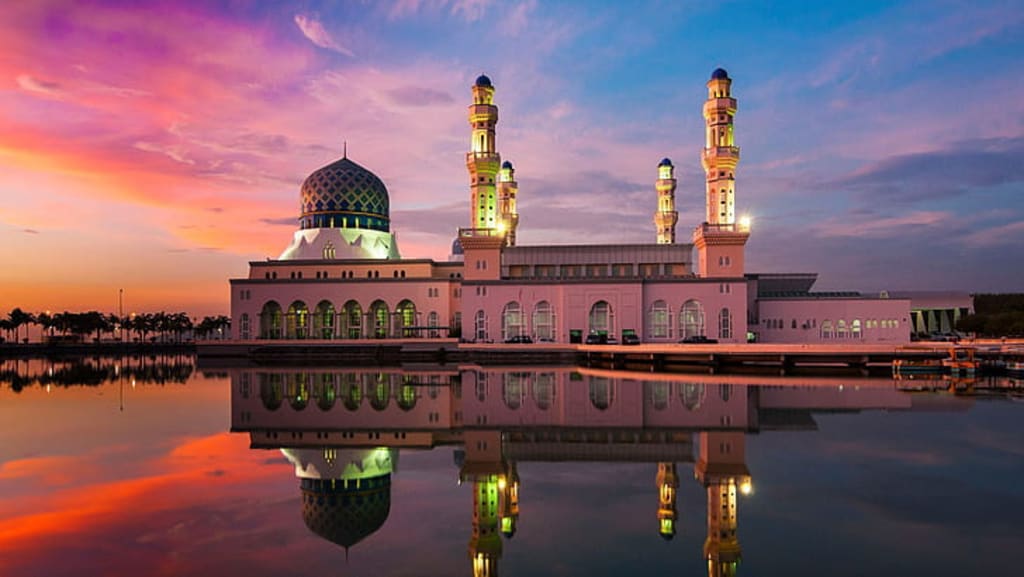
Sabah, known as the “Land Below the Wind,” is a stunning state located on the northern tip of the island of Borneo in Malaysia. It is a place where nature’s majesty meets cultural richness, offering visitors breathtaking landscapes, diverse wildlife, and a unique blend of indigenous traditions. From its towering mountains to its crystal-clear waters, Sabah’s beauty is undeniable, attracting adventurers, nature lovers, and those seeking serenity. In this article, we will explore the many facets that make Sabah one of the most beautiful destinations in Southeast Asia.
Mount Kinabalu: A Majestic Presence
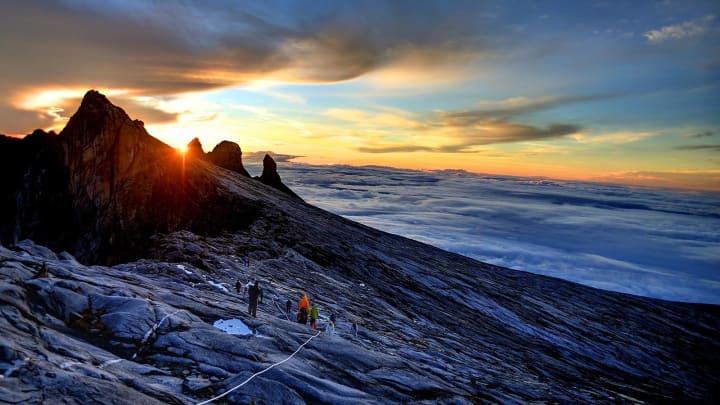
One of Sabah’s most iconic landmarks is Mount Kinabalu, which rises to 4,095 meters, making it the highest peak in Southeast Asia. This majestic mountain is not just a challenge for climbers but also a UNESCO World Heritage Site, located within the stunning Kinabalu Park. The park is home to an extraordinary range of flora and fauna, some of which are found nowhere else on earth. The diversity of plant life is astonishing, with over 5,000 species, including rare orchids, pitcher plants, and the famous Rafflesia, the world’s largest flower.
The mountain itself holds deep cultural significance for the indigenous Kadazan-Dusun people, who believe it to be a sacred resting place for the spirits of their ancestors. For climbers, reaching the summit is both a physical and spiritual journey, offering unparalleled views of the surrounding landscape, especially at sunrise when the first light of day touches the horizon. The cool, misty air combined with the sheer beauty of the surroundings creates an experience of peace and awe.
The Islands of Sabah: Crystal Waters and Coral Reefs
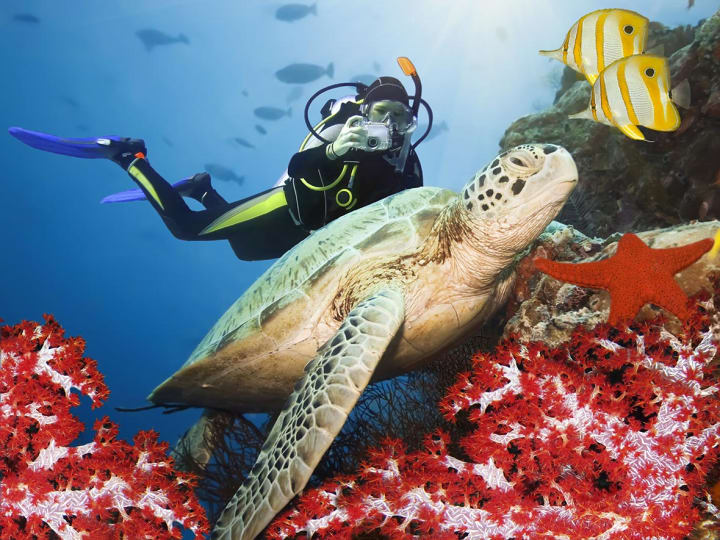

Sabah is not just about mountains; it is also home to some of the world’s most beautiful islands and marine life. The Tunku Abdul Rahman Marine Park, just off the coast of Kota Kinabalu, comprises five islands, each offering stunning beaches, clear blue waters, and vibrant coral reefs. Islands like Manukan, Mamutik, and Sapi are ideal for snorkeling, diving, and relaxing by the shore. The underwater world here is a paradise for divers, with colorful coral gardens, schools of tropical fish, and even sightings of sea turtles.
Further afield lies Sipadan Island, often ranked among the best diving destinations globally. Sipadan, the only oceanic island in Malaysia, rises 600 meters from the seabed and is surrounded by crystal-clear waters teeming with marine life. Divers can expect to see a rich diversity of species, from reef sharks and barracudas to manta rays and hammerhead sharks. The waters around Sipadan are also known for their dramatic drop-offs, where the ocean floor plunges deep into the abyss, offering divers a sense of the vastness and mystery of the sea.
Wildlife Wonders: Borneo's Rich Biodiversity
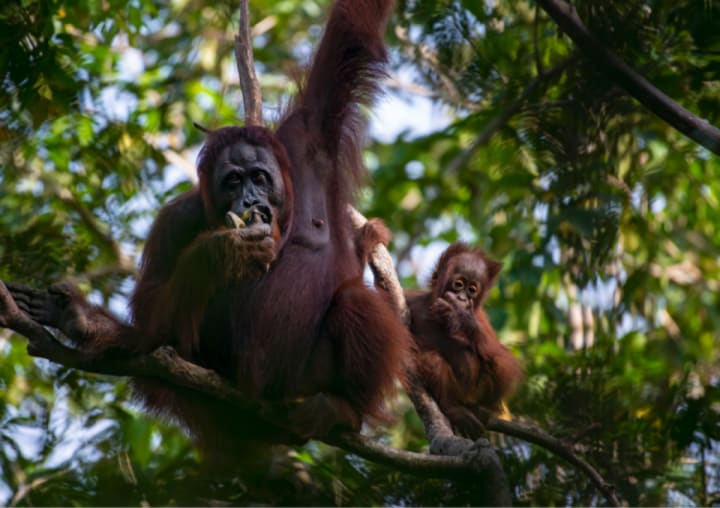
Sabah’s tropical rainforests are among the oldest in the world, and they are home to an incredible array of wildlife. One of the most famous inhabitants of these forests is the Bornean orangutan, an endangered species that draws nature enthusiasts from around the world. The Sepilok Orangutan Rehabilitation Centre in Sandakan is a sanctuary where visitors can observe these gentle creatures in their natural habitat, while also learning about the conservation efforts to protect them.
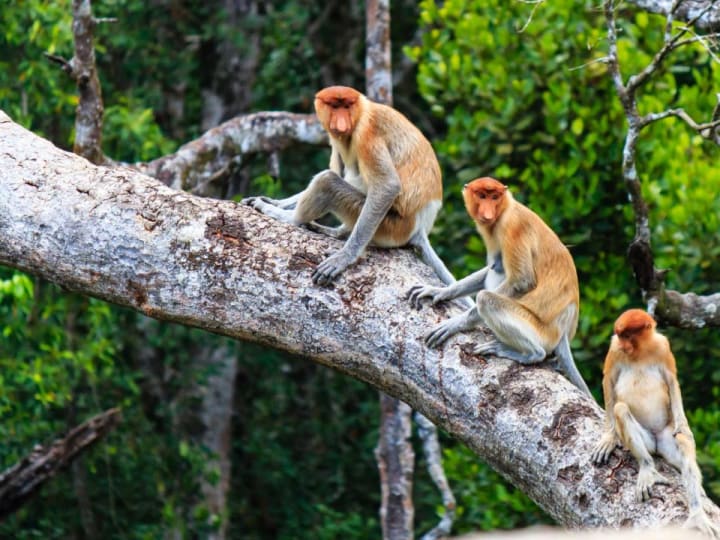
Another wildlife wonder of Sabah is the Bornean pygmy elephant, the smallest elephant species in the world. These gentle giants can be found roaming in the forests of the Kinabatangan River, which is a prime location for wildlife safaris. The river is also home to proboscis monkeys, crocodiles, and a variety of bird species, making it a hotspot for nature lovers and photographers.
Sabah’s biodiversity is not limited to land. Its coastal areas are teeming with mangroves, wetlands, and coral reefs, providing habitats for numerous species. Whether you are trekking through its dense rainforests or cruising down its rivers, Sabah’s wildlife is always close at hand, reminding visitors of the importance of conservation in such an ecologically rich area.
Cultural Diversity and Heritage

Beyond its natural beauty, Sabah is a cultural melting pot, home to over 30 ethnic groups, each with its own language, traditions, and customs. The largest indigenous groups are the Kadazan-Dusun, Bajau, and Murut, but the state is also home to communities of Chinese, Indian, and Malay descent. This cultural diversity is reflected in Sabah’s festivals, music, dance, and food.
One of the most vibrant cultural celebrations is the Harvest Festival or Kaamatan, celebrated by the Kadazan-Dusun people. Held in May, this festival is a time to give thanks for a bountiful rice harvest and is marked by traditional dances, music, and games. Visitors during this time are often invited to join in the festivities, offering a unique opportunity to experience Sabah’s rich cultural heritage firsthand.
The Mari Mari Cultural Village, located near Kota Kinabalu, provides an immersive experience where visitors can learn about the different indigenous tribes of Sabah, their way of life, and their crafts. From traditional bamboo houses to demonstrations of cooking, weaving, and fire-making, it offers a window into the rich history and traditions of Sabah’s people.
Conclusion: A Destination Like No Other
Sabah is a place of extraordinary beauty, where nature and culture coexist in perfect harmony. Whether you are standing atop Mount Kinabalu, gazing out over the vast jungles, or diving into the vibrant underwater world of Sipadan, the beauty of Sabah leaves a lasting impression on all who visit. Its landscapes, wildlife, and cultural richness make it one of the most enchanting places in the world. A journey to Sabah is more than just a holiday; it is a journey into the heart of nature and a celebration of the diversity that makes this Malaysian state so unique.
About the Creator
PDZICOX
Everyday articles.
The information on this page will help you learn more about mystery, news, facts, psychology, geography and more. We will provide the best resources for learning about these topics.
Fascinating Facts About Mosquitoes
Mosquitoes, which we often consider ordinary insects, are actually among the most dangerous creatures on Earth. They are responsible for more human deaths each year than any other animal, making them the deadliest species on the planet. Legend even suggests that mosquitoes contributed to the death of Alexander the Great.
By Sudais Zakwanabout 22 hours ago in Education
The Discipline Line That Protects Every Serious Trader
A lack of opportunity rarely destroys long-term trading success. A single uncontrolled loss far more often destroys it. Markets move quickly, emotions react faster, and hesitation at the wrong moment can erase months or years of progress. Pre-defined stop losses are in place to prevent that outcome.
By Agast Mishraa day ago in Education
How, Too
Many people wonder how, too. You are not alone, and I am an expert. I will teach you how, too! First, you need to remit a small application fee and fill out an application describing the nature of your financial situation and how often payments will be made, as this will have great bearing on how well I teach you how, too.
By Harper Lewis8 days ago in Fiction




Comments
There are no comments for this story
Be the first to respond and start the conversation.