
The Art of Productivity
Understanding the Science of Procrastination and Overcoming It

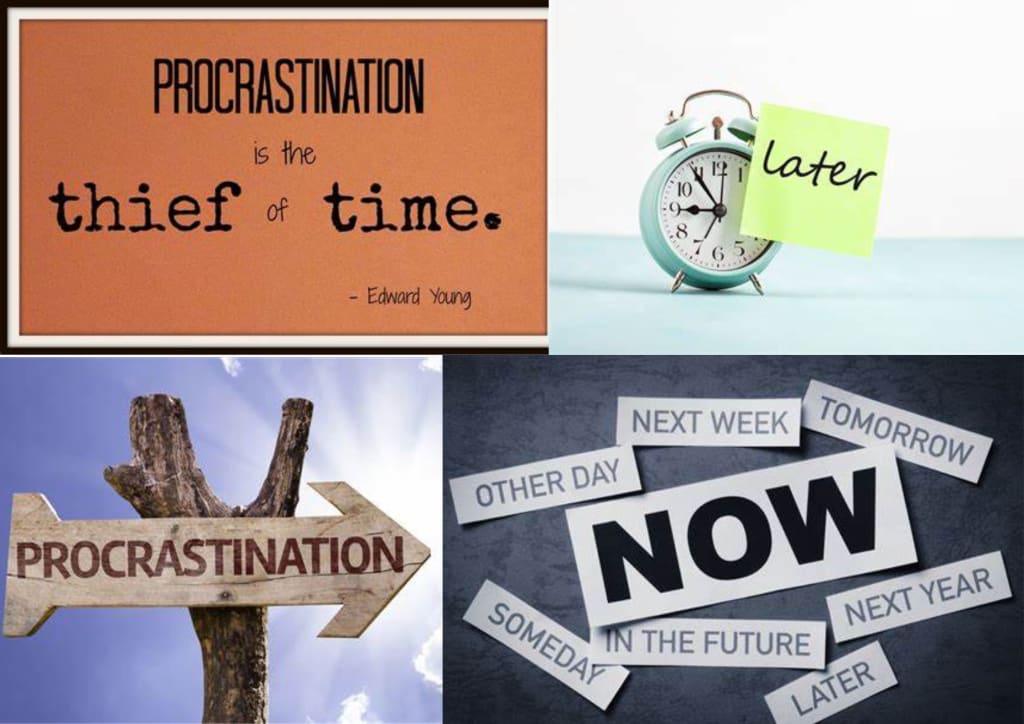
The Science of Procrastination: Why We Do It and How to Overcome It
Procrastination is something that most of us struggle with at some point in our lives. Whether it's putting off a difficult task at work, delaying the start of a new project, or simply avoiding household chores, procrastination can be a major barrier to achieving our goals and living our best lives.
So why do we procrastinate, and what can we do to overcome it? Let's take a closer look at the science of procrastination and some strategies for overcoming it.
The Psychology of Procrastination
At its core, procrastination is a form of self-regulation failure. When we procrastinate, we are essentially prioritizing short-term pleasure or avoidance of discomfort over long-term goals or responsibilities. We may also engage in what psychologists call "motivational self-sabotage," or intentionally undermining our own success.
There are many reasons why we might procrastinate, including:
Fear of failure: We might put off starting a project or task because we're afraid of failing or not living up to our own expectations.
Lack of motivation: We may simply not feel motivated to do the task at hand, and so we put it off in favor of more enjoyable activities.
Perfectionism: We may have an unrealistic desire for perfection, leading us to avoid starting a task because we're afraid we won't be able to do it perfectly.
Overwhelm: We may feel overwhelmed by the size or complexity of a task, leading us to put it off in favor of smaller, more manageable tasks.
Distractions: We may be easily distracted by other activities, such as social media or entertainment, leading us to procrastinate on our responsibilities.
The Neuroscience of Procrastination
Research has shown that procrastination is related to activity in the prefrontal cortex of the brain, which is responsible for executive functions such as decision-making, planning, and impulse control. Specifically, people who are chronic procrastinators tend to have less grey matter in the prefrontal cortex, which may make it harder for them to engage in self-control and resist temptation.
The Costs of Procrastination
Procrastination can have significant costs, both in terms of our mental health and well-being and in terms of our ability to achieve our goals. Some of the costs of procrastination include:
Increased stress and anxiety
Reduced productivity
Missed deadlines
Poorer quality work
Lower self-esteem
Negative impact on relationships
Lost opportunities
How to Overcome Procrastination
Fortunately, there are many strategies that can help us overcome procrastination and achieve our goals. Here are some tips for getting started:
Understand why you procrastinate: Take some time to reflect on your reasons for procrastination. Is it fear of failure? Lack of motivation? Perfectionism? Once you understand your underlying motivations, you can begin to address them.
Break tasks down into smaller steps: Large or complex tasks can be overwhelming, so break them down into smaller, more manageable steps. This can help you feel more in control and less overwhelmed.
Use time management strategies: Set specific deadlines for yourself, create a schedule or to-do list, and use time-blocking to prioritize your tasks.
Use positive self-talk: Replace negative thoughts and beliefs with positive ones. Instead of telling yourself "I'll never be able to finish this," say "I'm capable of completing this task."
Practice mindfulness: Mindfulness meditation can help reduce stress and increase focus, which can help you overcome procrastination.
Reward yourself: Set up a system of rewards for yourself when you
In conclusion, procrastination is a common challenge that most people face at some point in their lives. However, understanding the psychology and neuroscience of procrastination can help us overcome it and achieve our goals. By breaking tasks down into smaller steps, using time management strategies, practicing positive self-talk, and mindfulness, we can reduce stress, increase focus, and overcome the urge to procrastinate. Remember that procrastination comes at a cost, both in terms of our mental health and well-being and in terms of our ability to achieve our goals, but with the right strategies and mindset, we can overcome it and thrive
About the Creator
Revolution
Are you prepared to view the world through new eyes? and also delve deeply into the culture and history of each destination, revealing the tales and traditions that make each place so distinctive.
Keep reading
More stories from Revolution and writers in Education and other communities.
Taher Saifuddin: Transforming Toronto’s Classrooms with Inclusive and Future-Focused Education
In the heart of Canada’s most diverse city, Toronto educator Taher Saifuddin is quietly leading a transformation in the way learning is delivered, measured, and experienced. With over two decades of experience, Taher is recognized for his dynamic role in teaching, academic leadership, and digital innovation across Toronto’s private and independent schools.
By Dena Falken Esq3 days ago in Education
What People Get Wrong About Consulting
Many people talk about consulting, but few understand what it truly involves. Movies, social media, and word of mouth often shape a narrow view. This creates confusion for students, business owners, and even new consultants. The topic of common misconceptions about consulting matters because these beliefs affect career choices and business decisions. When ideas are wrong, expectations break down fast.
By Nicole Metz3 days ago in Education



Comments
There are no comments for this story
Be the first to respond and start the conversation.