
_The Alarming Rise of Sugar-Sweetened Beverage Consumption Among Children and Adolescents_
"A Global Health Concern: Understanding the Rising Consumption of Sugar-Sweetened Beverages Among Young People"

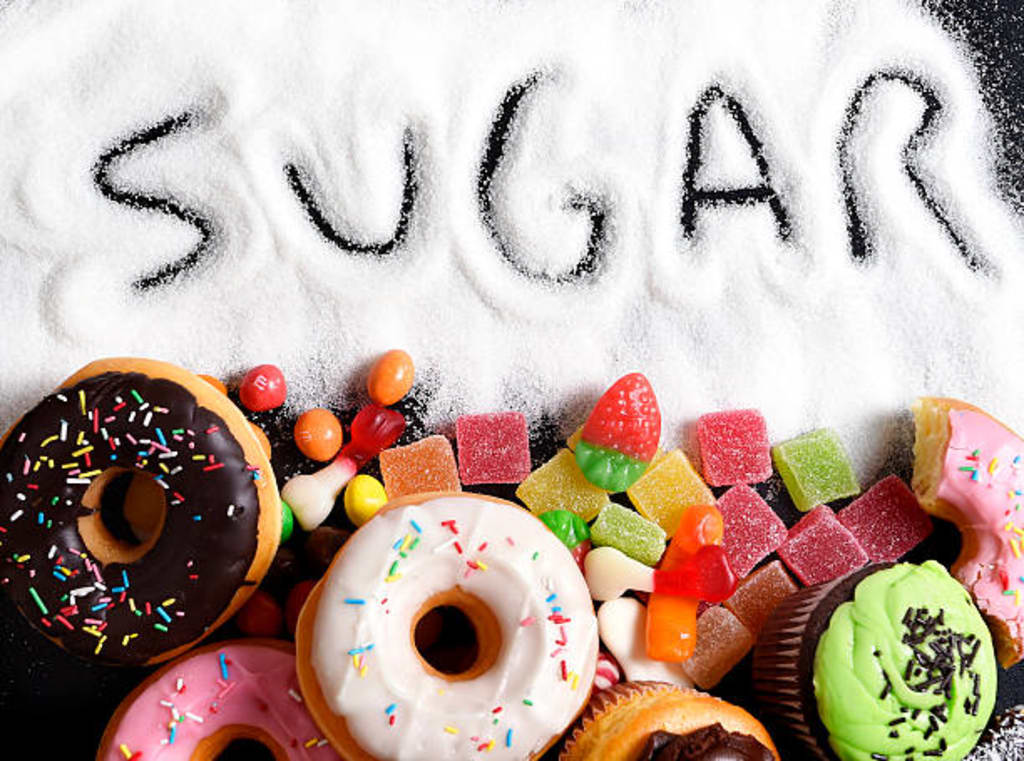
A recent study published in BMJ has shed light on a disturbing trend: the increasing consumption of sugar-sweetened beverages (SSBs) among children and adolescents worldwide. The study analyzed data from 185 countries between 1990 and 2018, revealing a significant surge in SSB consumption, which poses a significant risk to the health and well-being of young people.
_The Link Between SSBs and Disease Risk_
Consuming SSBs regularly has been linked to an increased risk of obesity, which can persist into adulthood and lead to other health problems like cardiovascular disease and type 2 diabetes. The rapid globalization of markets and aggressive advertising targeting children and adolescents have contributed to this trend. However, some studies suggest that public health policies can effectively reduce SSB consumption among young people.
_Study Findings_
The study examined SSB consumption rates among children and adolescents aged 3-19 years. The results showed that, in 2018, the average global intake of SSBs was 3.6 servings per week, with significant variations across regions. Some countries reported alarmingly high consumption rates, with 56 countries exceeding seven servings per week.
_Key Trends and Insights_
- SSB consumption increased with age, with older children and adolescents consuming more SSBs.
- Urban residents were more likely to consume SSBs than those in rural areas.
- Children of highly educated parents living in urban areas consumed the most SSBs.
- A positive correlation was observed between national SSB consumption and sociodemographic development index.
_Regional Variations_
The study revealed significant regional variations in SSB consumption. South Asia had the lowest consumption rates, while Latin America and the Caribbean had the highest. North Africa and the Middle East also reported high consumption rates.
_Global Trends_
Between 1990 and 2018, global SSB consumption increased by 23%, with the largest increase observed in sub-Saharan Africa. High-income countries reported the largest increase in SSB consumption between 1990 and 2005, while low-income countries reported a decline.
_Implications for Public Health_
The study's findings have significant implications for public health policies aimed at reducing SSB consumption among children and adolescents. Governments and health organizations must work together to implement effective strategies, such as taxation, education, and marketing restrictions.
_Potential Solutions_
- Implementing sugar taxes to reduce SSB consumption
- Restricting marketing of SSBs to children
- Promoting education and awareness about the risks of SSB consumption
- Encouraging healthy beverage options in schools and communities
_Conclusion_
The study's findings are a wake-up call for global efforts to reduce SSB consumption among children and adolescents. The United Nation's 2030 Agenda for Sustainable Development aims to enhance overall health and well-being, and addressing SSB consumption is crucial to achieving this goal. By understanding the trends and insights from this study, we can work towards creating a healthier future for young people worldwide.
_Future Directions_
- Continued monitoring of SSB consumption trends
- Evaluation of the effectiveness of public health policies aimed at reducing SSB consumption
- Research into the impact of SSB consumption on health outcomes in diverse populations
_A Call to Action_
The alarming rise of SSB consumption among children and adolescents requires immediate attention and action. Governments, health organizations, and individuals must work together to reduce SSB consumption and promote healthy beverage options. By doing so, we can help prevent the onset of diet-related diseases and ensure a healthier future for young people worldwide.
_The Role of Parents and Caregivers_
Parents and caregivers play a crucial role in shaping the dietary habits of children and adolescents. By promoting healthy beverage options and limiting SSB consumption, they can help prevent the onset of diet-related diseases.
_The Impact of SSB Consumption on Mental Health_
Research suggests that SSB consumption may also have a negative impact on mental health outcomes, including increased risk of depression and anxiety.
_The Economic Burden of SSB Consumption_
The economic burden of SSB consumption is significant, with estimated costs of over $1 trillion annually.
About the Creator
Keep reading
More stories from Muhammad Ahmad and writers in Education and other communities.
Fasting: A Holistic Approach to Physical, Mental, and Spiritual Wellbeing
Fasting, a practice that involves abstaining from food and/or drink, has been a part of human culture for centuries. Whether for , spiritual, or health reasons, fasting can be a transformative experience that offers numerous benefits for the body, mind, and soul. However, it's essential to approach fasting with caution and preparation to ensure a safe and healthy journey.
By Muhammad Ahmadabout a year ago in Education
Time Management Hacks Every Entrepreneur Should Know
Running a startup demands more than hustle—it requires precision in how you use your time. As a founder, your daily choices directly impact your company’s growth, culture, and long-term sustainability. Without the right strategies, it's easy to get overwhelmed by tasks and lose sight of what truly matters. Mastering a few smart productivity habits can dramatically improve how you work.
By Per Jacob Solli6 days ago in Education
The "Free" Lead Trap: Why New Real Estate Agents Are Paying a Hidden Price
In the early stages of a real estate career, an agent’s most precious asset isn't their luxury car, their high-end camera gear, or a downtown office lease. It is their time. Yet, for many new professionals, time is the one resource they are most willing to squander in exchange for the "dopamine hit" of a smartphone notification.
By SiftlyLeads5 days ago in Education



Comments (2)
Well written
Thanks for sharing