
Telemedicine and HRM: Transforming Healthcare Workforce Management
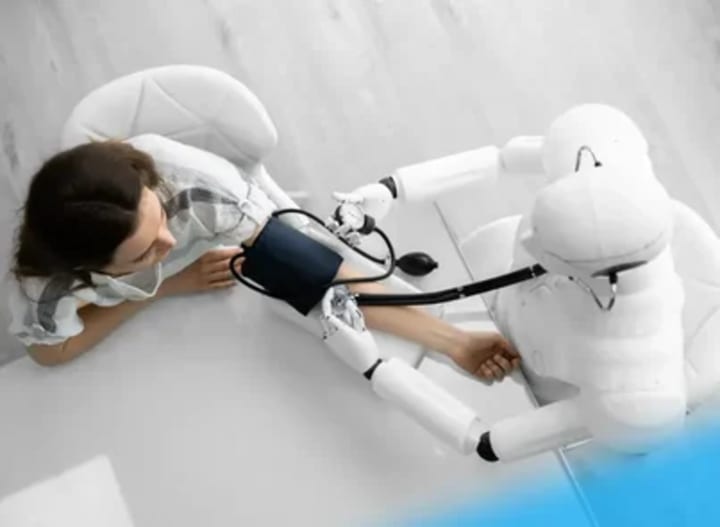
Robots used in medical field

Introduction
The healthcare industry has undergone a significant transformation with the advent of telemedicine. Telemedicine, the remote diagnosis and treatment of patients via telecommunications technology, has revolutionized patient care by making healthcare services more accessible and efficient. Concurrently, Human Resource Management (HRM) in healthcare has evolved to meet the demands of this new paradigm. This article explores the symbiotic relationship between telemedicine and HRM, examining how HRM systems can support the integration of telemedicine, the benefits and challenges of this integration, and the future implications for the healthcare workforce.
The Rise of Telemedicine
Telemedicine has emerged as a critical component of modern healthcare, especially in response to the COVID-19 pandemic. It allows patients to receive medical consultations, diagnoses, and treatment plans without the need for in-person visits. This approach has numerous benefits, including improved access to care for patients in remote or underserved areas, reduced healthcare costs, and enhanced patient convenience. Telemedicine also enables healthcare providers to reach a larger patient base, increasing their capacity to deliver care.
The Role of Human Resource Management in Healthcare
Human Resource Management in healthcare is responsible for recruiting, training, and retaining healthcare professionals, as well as ensuring compliance with healthcare regulations and maintaining employee satisfaction. Effective HRM is crucial for delivering high-quality patient care, as it ensures that healthcare organizations have the right personnel with the necessary skills and qualifications. HRM systems help manage various aspects of the workforce, including scheduling, payroll, benefits administration, performance management, and employee engagement.
Integrating Telemedicine and HRM
The integration of telemedicine into healthcare delivery presents unique challenges and opportunities for HRM. To effectively manage a telemedicine workforce, HRM systems must adapt to new roles, workflows, and technologies. Below are some key areas where HRM plays a crucial role in supporting telemedicine.
Recruitment and Training
Recruiting healthcare professionals with the skills and competencies required for telemedicine is essential. This includes not only clinical skills but also proficiency with telemedicine platforms and technology. HRM systems can help identify and recruit candidates who possess these skills, ensuring that healthcare organizations are well-equipped to deliver telemedicine services.
Training is another critical component. HRM systems can facilitate training programs that cover telemedicine protocols, technology usage, and best practices for virtual patient interactions. Ongoing training ensures that healthcare professionals stay up-to-date with the latest advancements in telemedicine and continue to provide high-quality care.
Scheduling and Workforce Management
Telemedicine offers greater flexibility in scheduling, as healthcare providers can conduct consultations from virtually anywhere. HRM systems can optimize scheduling by matching patient demand with provider availability, ensuring that appointments are efficiently managed. This flexibility can lead to improved work-life balance for healthcare professionals, reducing burnout and increasing job satisfaction.
Performance Management
Monitoring and evaluating the performance of telemedicine providers is essential to ensure quality care. HRM systems can track key performance indicators (KPIs) such as patient satisfaction, consultation times, and clinical outcomes. This data can be used to identify areas for improvement, provide feedback to healthcare professionals, and implement targeted training programs.
Employee Engagement and Retention
Maintaining high levels of employee engagement and retention is crucial for any healthcare organization. Telemedicine can contribute to job satisfaction by offering healthcare professionals greater flexibility and autonomy. HRM systems can support engagement initiatives by providing tools for communication, feedback, and recognition. Additionally, HRM can help create a supportive work environment that fosters professional growth and development.
Benefits of Integrating Telemedicine and HRM
Integrating telemedicine with HRM offers several benefits for healthcare organizations, healthcare professionals, and patients.
Enhanced Access to Care
Telemedicine expands access to care, allowing patients to receive medical consultations regardless of their geographic location. This is particularly beneficial for individuals in rural or underserved areas who may have limited access to healthcare facilities. By leveraging telemedicine, healthcare organizations can reach a broader patient population and address healthcare disparities.
Improved Efficiency and Cost Savings
Telemedicine can streamline healthcare delivery, reducing the need for in-person visits and associated costs. HRM systems can optimize scheduling and resource allocation, ensuring that healthcare professionals are utilized efficiently. This can lead to cost savings for healthcare organizations and patients alike.
Greater Flexibility and Work-Life Balance
Telemedicine offers healthcare professionals greater flexibility in their work schedules, allowing them to conduct consultations from home or other remote locations. This flexibility can improve work-life balance, reduce burnout, and enhance job satisfaction. HRM systems can support flexible scheduling and remote work arrangements, contributing to a positive work environment.
Enhanced Patient Experience
Patients benefit from the convenience and accessibility of telemedicine, which can lead to higher levels of satisfaction and engagement. Telemedicine reduces travel time and costs for patients, making it easier to access healthcare services. HRM systems can support patient-centered care by ensuring that healthcare professionals are well-trained and equipped to deliver high-quality telemedicine services.
Challenges of Integrating Telemedicine and HRM
While the integration of telemedicine and HRM offers numerous benefits, it also presents several challenges that healthcare organizations must address.
Technology Adoption and Training
Healthcare professionals may face challenges in adopting telemedicine technology and integrating it into their workflows. Effective training programs are essential to ensure that providers are comfortable and proficient with telemedicine platforms. HRM systems must support ongoing training and development to address these challenges.
Regulatory and Compliance Issues
Telemedicine is subject to various regulatory and compliance requirements, including licensure, privacy, and security standards. HRM systems must ensure that healthcare professionals are compliant with these regulations and that telemedicine practices adhere to legal and ethical guidelines. This may require continuous monitoring and updates to policies and procedures.
Maintaining Quality of Care
Ensuring that telemedicine services meet the same quality standards as in-person care is crucial. HRM systems must track and evaluate the performance of telemedicine providers, identifying areas for improvement and implementing corrective actions as needed. Continuous monitoring and feedback are essential to maintaining high-quality care.
Data Security and Privacy
Telemedicine involves the transmission of sensitive patient information, which must be protected to ensure privacy and security. HRM systems must implement robust data security measures to safeguard patient information and comply with regulatory requirements. This includes encryption, secure data storage, and regular security audits.
Future Implications for Healthcare Workforce Management
The integration of telemedicine and HRM is likely to continue evolving, with several future implications for healthcare workforce management.
Increased Demand for Telemedicine Skills
As telemedicine becomes more widespread, there will be an increased demand for healthcare professionals with telemedicine skills. HRM systems must adapt to this demand by identifying and recruiting candidates with the necessary competencies. Additionally, training programs must be continuously updated to reflect advancements in telemedicine technology and practices.
Evolution of Healthcare Roles
Telemedicine is likely to lead to the evolution of healthcare roles, with new positions emerging to support virtual care delivery. HRM systems must be flexible and adaptable to accommodate these changes, ensuring that healthcare organizations can effectively manage a diverse and evolving workforce.
Integration of Advanced Technologies
The future of telemedicine and HRM will likely involve the integration of advanced technologies such as artificial intelligence (AI), machine learning, and data analytics. These technologies can enhance workforce management by providing predictive insights, automating routine tasks, and improving decision-making. HRM systems must be capable of leveraging these technologies to optimize workforce management and support telemedicine initiatives.
Focus on Employee Well-being
As telemedicine continues to reshape the healthcare landscape, there will be a greater focus on employee well-being and work-life balance. HRM systems must support initiatives that promote employee health, satisfaction, and engagement. This includes flexible work arrangements, mental health support, and opportunities for professional development.
Conclusion
The integration of telemedicine and HRM represents a transformative shift in healthcare workforce management. By leveraging HRM systems to support telemedicine, healthcare organizations can enhance access to care, improve efficiency, and provide a better patient experience. However, this integration also presents challenges that must be addressed, including technology adoption, regulatory compliance, and maintaining quality of care. As telemedicine continues to evolve, HRM systems must adapt to meet the changing needs of the healthcare workforce, ensuring that healthcare professionals are well-equipped to deliver high-quality virtual care.
About the Creator
Reader insights
Nice work
Very well written. Keep up the good work!
Top insights
Easy to read and follow
Well-structured & engaging content
Eye opening
Niche topic & fresh perspectives
Keep reading
More stories from Iqra Hakeem and writers in Education and other communities.
The Integration of AI Robotics with HRMS
Artificial Intelligence (AI) and robotics are two transformative technologies that have made significant strides in various industries. When combined, AI robotics and Human Resource Management Systems (HRMS) create a powerful synergy that enhances the efficiency, accuracy, and overall effectiveness of HR functions. This article explores the integration of AI robotics with HRMS, its benefits, applications, and the future of this technological convergence.
By Iqra Hakeemabout a year ago in Education
Creativity vs Productivity: Finding the Right Balance for Better Results
In today's fast-paced world, the pressure to produce more and achieve faster results is constant. On the other hand, creativity, often seen as the fuel for innovation and growth, requires space, reflection, and sometimes a slower pace. These two forces, creativity and productivity, are at odds with one another. But instead of choosing one over the other, the key to better results lies in finding a balance between them. When properly managed, creativity and productivity can support each other, leading to more fulfilling work and sustainable success.
By Norman Badger5 days ago in Education
Ludacris and Nelly draw backlash over bookings at MAGA-coded music festival
Ludacris and Nelly headlining a mostly right-wing event is good for them. It’s also great for the genre of hip hop. The two rap veterans have showcased their talents on other stages. Why can’t they perform for mostly MAGA folks and grab that bag?
By Skyler Saunders4 days ago in Beat




Comments (1)
Thanks for the well detailed analysis