
The Integration of AI Robotics with HRMS
Robotics & HRMS
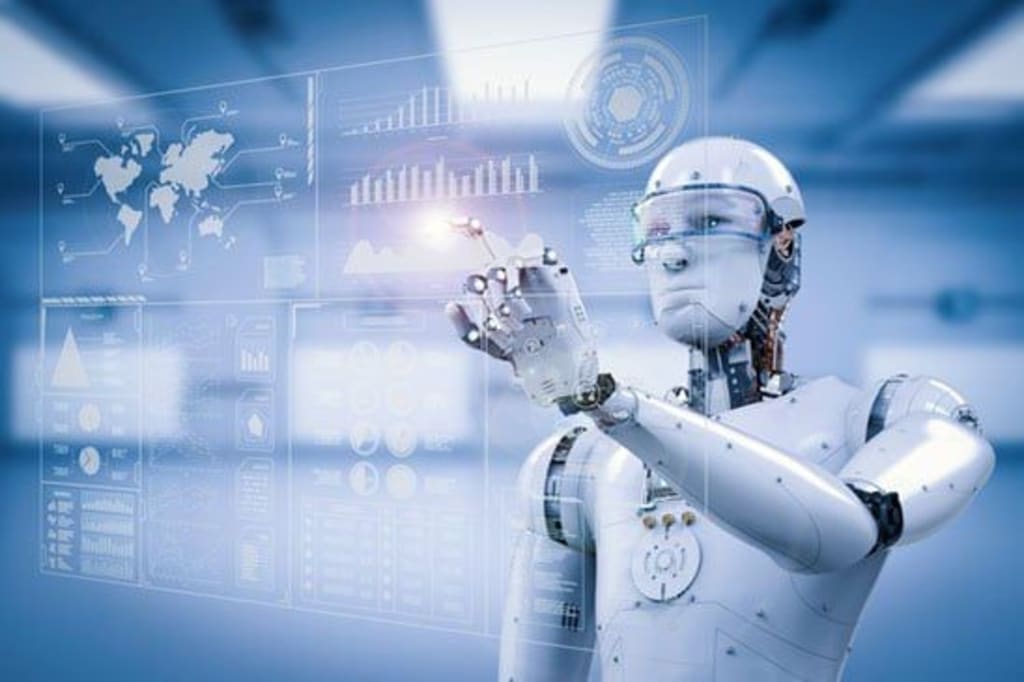
Artificial Intelligence (AI) and robotics are two transformative technologies that have made significant strides in various industries. When combined, AI robotics and Human Resource Management Systems (HRMS) create a powerful synergy that enhances the efficiency, accuracy, and overall effectiveness of HR functions. This article explores the integration of AI robotics with HRMS, its benefits, applications, and the future of this technological convergence.
1. Understanding AI Robotics and HRMS
AI Robotics: AI robotics refers to the use of artificial intelligence to control and automate robotic systems. These systems can perform complex tasks with a high degree of precision and autonomy, learning and adapting from data over time.
Human Resource Management Systems :(HRMS) are software solutions designed to manage HR functions such as recruitment, onboarding, payroll, performance management, and employee engagement. Integrating AI robotics into HRMS enhances these functions by automating repetitive tasks, providing real-time insights, and improving decision-making.
2. Benefits of Integrating AI Robotics with HRMS
a. Increased Efficiency: AI robotics can handle repetitive and time-consuming tasks quickly and accurately, freeing up HR professionals to focus on more strategic activities.
b. Improved Accuracy: Automated systems reduce the risk of human error, ensuring that HR processes such as payroll, compliance, and data management are handled with precision.
c. Enhanced Employee Experience: AI robotics can personalize the employee experience by providing tailored support, resources, and development opportunities.
d. Cost Savings: Automating HR tasks reduces the need for manual labor, leading to significant cost savings for organizations.
e. Real-Time Insights: AI robotics can analyze vast amounts of data in real-time, providing HR professionals with actionable insights to make informed decisions.
3. Applications of AI Robotics in HRMS
a. Recruitment and Talent Acquisition
AI robotics is revolutionizing recruitment and talent acquisition by automating and optimizing various processes:
Automated Resume Screening: AI-powered robots can scan and analyze resumes, identifying the best candidates based on predefined criteria. This speeds up the recruitment process and reduces the potential for human bias.
Candidate Matching: AI algorithms match candidates to job openings based on skills, experience, and cultural fit. This ensures that the right candidates are selected for the right roles.
Interview Scheduling: AI robotics can handle interview scheduling, sending out invitations, and reminders, and even conducting preliminary interviews through chatbots.
b. Employee Onboarding
The onboarding process is critical for new hires, and AI robotics makes it more efficient and personalized:
Automated Documentation: AI robots can handle the paperwork involved in the onboarding process, ensuring that all necessary documents are completed accurately and on time.
Personalized Training: AI analyzes new hires’ skills and experience to create personalized training programs. This helps new employees quickly adapt to their roles and the company’s culture.
Virtual Assistants: AI-powered virtual assistants provide new hires with the information they need, answering questions and guiding them through the onboarding process.
c. Performance Management
AI robotics enhances performance management by providing real-time feedback and actionable insights:
Continuous Monitoring: AI systems continuously monitor employee performance, providing instant feedback and identifying areas for improvement.
Objective Assessments: AI eliminates human bias by using objective performance metrics to evaluate employees. This ensures fair and accurate performance reviews.
Personalized Development Plans: AI robotics can create personalized development plans based on an employee’s performance, skills, and career aspirations.
d. Employee Engagement and Retention
Maintaining high levels of employee engagement and retention is crucial for any organization, and AI robotics offers innovative solutions:
Sentiment Analysis: AI-driven sentiment analysis tools monitor employee feedback and communication, identifying potential issues before they escalate. This helps HR professionals address concerns and improve employee morale.
Career Pathing: AI can help employees plan their career paths by analyzing their skills, interests, and performance. It recommends training programs, mentorship opportunities, and potential career moves, fostering professional growth and satisfaction.
Employee Wellness Programs: AI-powered robots can monitor employees’ physical and mental health, providing personalized recommendations for improving well-being. This proactive approach helps create a healthier and more productive workforce.
e. Administrative Tasks
AI robotics can automate various administrative tasks, reducing the burden on HR professionals:
Payroll Processing: AI robots can handle payroll processing with accuracy and efficiency, ensuring that employees are paid on time and correctly.
Compliance Management: AI systems can monitor and ensure compliance with labor laws and regulations, reducing the risk of legal issues.
Data Management: AI robotics can manage employee data, keeping it secure and up-to-date. This reduces the risk of data breaches and ensures compliance with data protection regulations.
4. Challenges and Considerations
While the integration of AI robotics with HRMS offers numerous benefits, it also presents several challenges and considerations:
a. Data Privacy: The use of AI robotics in HRMS involves handling vast amounts of employee data. Organizations must implement robust data protection measures to ensure compliance with privacy regulations and protect sensitive information.
b. Ethical Considerations: Organizations must adopt ethical AI practices, ensuring transparency, accountability, and fairness in AI-driven HR processes. This includes regularly auditing AI systems for bias and ensuring that employees understand how their data is being used.
c. Employee Acceptance: The adoption of AI robotics in HRMS may be met with resistance from employees who fear job displacement. Organizations must communicate the benefits of AI robotics and provide training and support to help employees adapt to the new technology.
d. Integration with Existing Systems: Integrating AI robotics with existing HRMS can be complex and requires careful planning and execution. Organizations must ensure that the new technology is compatible with their current systems and processes.
5. Future Trends in AI Robotics and HRMS
The future of AI robotics in HRMS is promising, with several emerging trends set to shape the industry:
a. Hyper-Personalization: AI will enable hyper-personalization in HRMS, tailoring every aspect of the employee experience to individual preferences and needs. This includes personalized learning paths, career development plans, and engagement initiatives.
b. Augmented Analytics: Augmented analytics combines AI and machine learning to enhance data analysis. HR professionals can gain deeper insights into workforce trends, improving decision-making and strategic planning.
c. AI-Driven Employee Wellness Programs: AI-powered wellness programs monitor employees’ physical and mental health, providing personalized recommendations for improving well-being. This proactive approach helps create a healthier and more productive workforce.
d. Enhanced Collaboration Tools: AI robotics will continue to enhance virtual collaboration tools, facilitating seamless communication and collaboration among remote and hybrid teams.
e. Autonomous HR Systems: The future may see the development of fully autonomous HR systems that can handle all HR functions with minimal human intervention, further increasing efficiency and reducing costs.

6. Conclusion
The integration of AI robotics with Human Resource Management Systems (HRMS) is transforming HR functions, offering numerous benefits such as increased efficiency, improved accuracy, enhanced employee experience, and significant cost savings. From recruitment and onboarding to performance management and employee engagement, AI robotics is revolutionizing every aspect of HR. However, organizations must address challenges such as data privacy, ethical considerations, employee acceptance, and system integration to fully realize the potential of this technological convergence.
As AI robotics continues to evolve, the future of HRMS looks promising, with emerging trends set to further enhance the efficiency and effectiveness of HR functions. By embracing AI robotics, organizations can create a more dynamic, inclusive, and productive workplace, driving better business outcomes and fostering employee satisfaction.
About the Creator
Keep reading
More stories from Iqra Hakeem and writers in Education and other communities.
Impact of AI on Employment and Workforce Dynamics with Human Resource Management
In Human Resource Management and Artificial Intelligence (AI) has emerged as a transformative force, reshaping industries and redefining workforce dynamics. One of the critical areas where AI is making significant strides is in Human Resource Management (HRM). This article explores the impact of AI on employment, the evolution of workforce dynamics, and the specific implications for Human Resource Management.
By Iqra Hakeem2 years ago in Education
Top 10 Digital Transformation Companies in 2026
The business world is changing rapidly. If companies don't stay updated with new technology, new work methods, and shifting customer needs, they risk falling behind. This significant change, where businesses use digital tools to enhance their operations, is known as Digital Transformation.
By Jamika Wilkerson6 days ago in Education
Worth the Wait: Puerto Viejo, Costa Rica
Beach bumming in a small Caribbean beach town sounded like a perfect way to end our 6-month trip through Mexico and Central America. Or so we thought. The foul, fishy stench of rotten seaweed hit our nostrils as we stepped from the cramped bus and looked out at a rather depressing, empty, and underwhelming black sand beach. It was pouring with rain, and we had to quickly fish out our ponchos. We thought, this couldn’t be it, could it?
By Sh*t Happens - Lost Girl Travel5 days ago in Wander




Comments (1)
Amazing work. Liked it.