
TECHNOLOGY: THE FUTURE OF ARTIFICIAL INTELLIGENCE
Ai Technology
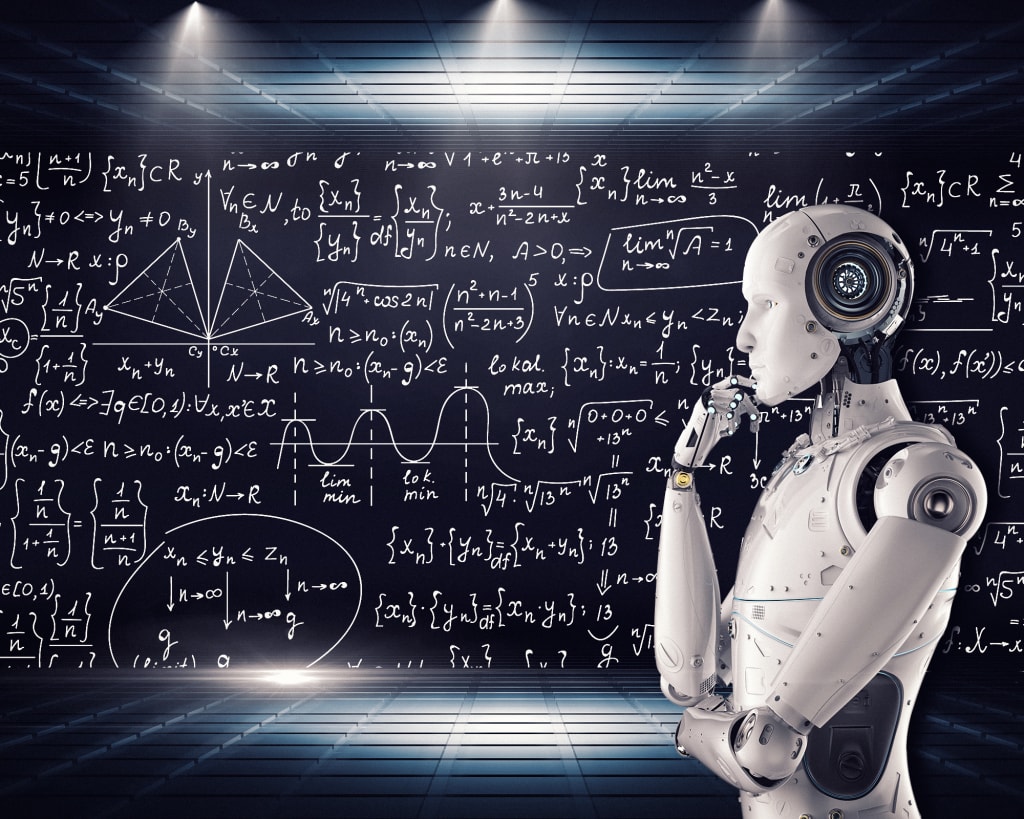
Artificial intelligence (AI) is a rapidly growing field that is transforming the way we live, work, and interact with the world around us. From virtual assistants like Siri and Alexa to self-driving cars and medical diagnostic tools, AI is already having a profound impact on our lives. But what does the future of AI hold, and what are the implications for society as a whole?
One of the key trends in the future of AI is the increasing focus on machine learning, which is the ability of computers to learn and adapt to new information without being explicitly programmed. This means that AI systems will become increasingly sophisticated at identifying patterns and making predictions based on data, which has enormous potential for a wide range of applications.
One area where machine learning is already having a major impact is in healthcare. AI-powered diagnostic tools can analyze large amounts of patient data to identify potential health risks and recommend treatments, potentially saving countless lives in the process. Similarly, in the field of drug discovery, AI can help scientists sift through vast amounts of data to identify promising drug candidates more quickly and efficiently.
Another area where AI is poised to have a major impact is in the world of work. As AI systems become more sophisticated, they will be able to take on a wider range of tasks, including those that are currently performed by humans. This has the potential to automate many routine and repetitive tasks, freeing up workers to focus on more creative and strategic tasks.
However, this trend also raises concerns about the impact on jobs and the economy as a whole. While some jobs may be displaced by AI, others may be created, and there is debate about the overall net impact on employment. There is also concern about the potential for AI to exacerbate existing inequalities, with workers in certain industries or regions more likely to be displaced than others.
Another key trend in the future of AI is the increasing focus on explainability and transparency. As AI systems become more sophisticated, they can be difficult to understand or explain, which can create challenges for regulators and policymakers. In order to ensure that AI is used in a responsible and ethical manner, there is a growing need for transparency and accountability in the design and deployment of these systems.
Finally, there is the question of how AI will impact society as a whole. As AI becomes more advanced, it has the potential to transform many aspects of our lives, from transportation and communication to education and entertainment. However, there are also concerns about the potential for AI to be misused or abused, either intentionally or unintentionally. As a result, there is a growing need for ethical frameworks and guidelines to ensure that AI is developed and used in a way that benefits society as a whole.
In conclusion, the future of artificial intelligence is both exciting and uncertain. While AI has enormous potential to transform many aspects of our lives for the better, there are also significant risks and challenges that must be addressed. As we continue to develop and deploy AI systems, it is essential that we do so in a responsible and ethical manner, with a focus on transparency, accountability, and the well-being of society as a whole.
“Some people call this artificial intelligence, but the reality is this technology will enhance us. So instead of artificial intelligence, I think we'll augment our intelligence.” —Ginni Rometty
“I'm more frightened than interested by artificial intelligence - in fact, perhaps fright and interest are not far away from one another. Things can become real in your mind, you can be tricked, and you believe things you wouldn't ordinarily. A world run by automatons doesn't seem completely unrealistic anymore. It's a bit chilling.” —Gemma Whelan
“You have to talk about 'The Terminator' if you're talking about artificial intelligence. I actually think that that's way off. I don't think that an artificially intelligent system that has superhuman intelligence will be violent. I do think that it will disrupt our culture.” —Gray Scott
“If the government regulates against use of drones or stem cells or artificial intelligence, all that means is that the work and the research leave the borders of that country and go someplace else.” —Peter Diamandis
“The key to artificial intelligence has always been the representation.” —Jeff Hawkins
“It's going to be interesting to see how society deals with artificial intelligence, but it will definitely be cool.” —Colin Angle
“Anything that could give rise to smarter-than-human intelligence—in the form of Artificial Intelligence, brain-computer interfaces, or neuroscience-based human intelligence enhancement - wins hands down beyond contest as doing the most to change the world. Nothing else is even in the same league.” —Eliezer Yudkowsky
About the Creator
Reader insights
Outstanding
Excellent work. Looking forward to reading more!
Top insights
Compelling and original writing
Creative use of language & vocab
Easy to read and follow
Well-structured & engaging content
Excellent storytelling
Original narrative & well developed characters
Expert insights and opinions
Arguments were carefully researched and presented
Eye opening
Niche topic & fresh perspectives
Heartfelt and relatable
The story invoked strong personal emotions
Masterful proofreading
Zero grammar & spelling mistakes
On-point and relevant
Writing reflected the title & theme
✅ Mismatch: Life Skills of Learning to Walk and Mastering Writing, Fight Bullies ✅
✅ How can I become a better writer? ✅ It starts with mindfulness, , , Every year, many people go to the Emergency Room because they have fallen inside their own house, and for some elderly people a broken bone is a very serious matter; however, if you take a grappling art like Judo or Aikido, the first thing you learn is to fall, and the first part of mastering that lesson is to relax.
By SAMURAI SAM AND WILD DRAGONS7 days ago in Education
Why Are Coffee Beans More Than Just a Morning Habit?
Coffee is one of the most widely consumed beverages in the world, enjoyed daily by millions of people across cultures and continents. At the heart of every cup of coffee lies the coffee bean, a small but powerful ingredient that defines flavor, aroma, and quality. Coffee beans are not just agricultural products; they represent culture, lifestyle, and a major economic activity for many countries.
By Rohit Shah5 days ago in Education




Comments (1)
Amazing