
TCP Header Basics: What You Need to Know
Introduction

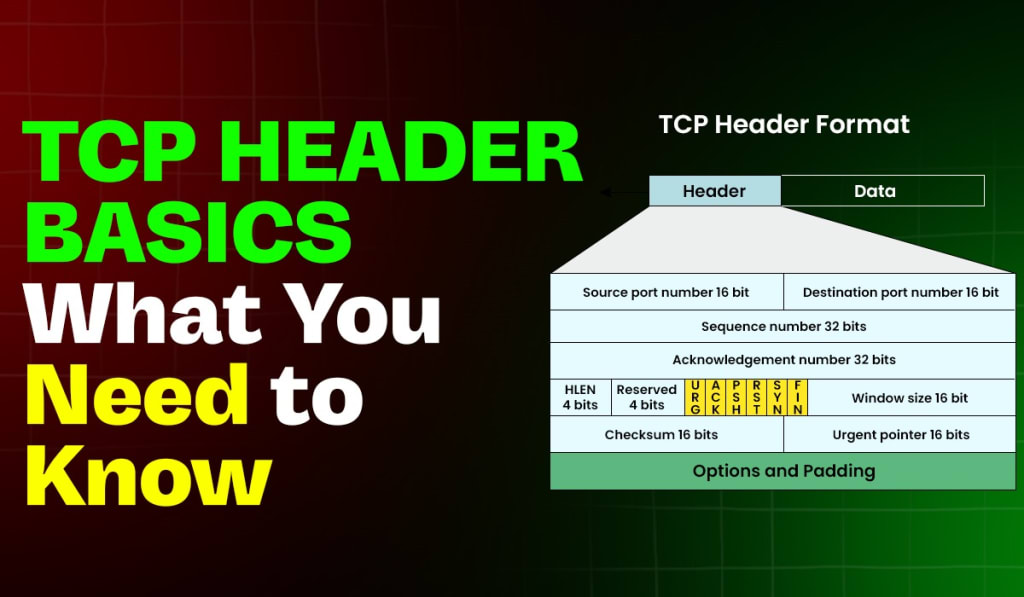
In network communication, the Transmission Control Protocol (TCP) plays a crucial role in ensuring that data is delivered accurately and efficiently between devices. To achieve this, TCP utilizes a component known as the TCP header. Understanding what a TCP header is and how it functions can provide valuable insights into how data transmission works over the internet. This article aims to demystify the TCP header, breaking down its components and their functions to help you grasp the basics.
What is a TCP Header?
The TCP header is a fundamental part of the TCP segment, which is a segment of data transmitted over a network. What is a TCP header? It is the part of the TCP segment that contains essential information needed to manage the data transfer process. Essentially, the TCP header ensures that data packets are delivered correctly and in the right order, allowing for a reliable communication channel between devices.
Definition and Purpose
A TCP header is a structured block of information included in each TCP segment. It provides crucial details about the data being sent, such as source and destination ports, sequence numbers, and control flags. These elements are vital for establishing and maintaining a reliable connection between the sender and receiver.
Role in Data Transmission
The TCP header plays a pivotal role in managing the flow of data between devices. Including information such as sequence numbers and acknowledgments helps in assembling data packets in the correct order, ensuring data integrity, and handling retransmissions if necessary.
Structure of the TCP Header
The TCP header is composed of several key fields, each serving a specific function in data transmission. Understanding these components is crucial for comprehending how TCP manages data transfer.
- Basic Components
Source Port: Identifies the port on the sender's side.
Destination Port: Indicates the port on the receiver's side.
- Control Flags
Control flags are used to manage the state of the connection. Common flags include SYN (synchronize), ACK (acknowledge), and FIN (finish). Each flag signals different states or actions in the TCP connection process.
- Window Size
The window size field is crucial for flow control, specifying the amount of data that can be sent before requiring an acknowledgment.
- Checksum
The checksum is used for error detection, ensuring that data has not been corrupted during transmission.
- Urgent Pointer
The urgent pointer field is used to indicate urgent data that should be processed immediately.
Detailed Breakdown of TCP Header Fields
Let's delve deeper into each field of the TCP header to understand their specific roles and importance.
- Source Port
The source port identifies the port number on the sending device, allowing the receiving device to understand where the data originated from.
- Destination Port
The destination port specifies the port number on the receiving device, directing the data to the correct application or service.
- Sequence Number
The sequence number is crucial for data ordering. It helps in reassembling the data packets in the correct sequence at the receiver's end.
- Acknowledgment Number
The acknowledgment number confirms the receipt of data packets. It indicates which packets have been successfully received and which are still pending.
- Data Offset
The data offset field specifies the length of the TCP header, indicating where the data begins.
- Flags
Flags in the TCP header control various aspects of the connection. For example, the SYN flag is used to initiate a connection, while the FIN flag is used to terminate it.
- Window Size
The window size field helps in managing data flow, preventing the sender from overwhelming the receiver with too much data at once.
- Checksum
The checksum field provides error detection by allowing the receiver to verify the integrity of the data.
- Urgent Pointer
The urgent pointer field indicates the presence of urgent data that should be prioritized.
How TCP Header Facilitates Reliable Communication
The TCP header is designed to ensure reliable communication between devices by implementing several key mechanisms.
- Error Checking and Correction
Through the checksum field, the TCP header helps detect and correct errors that may occur during transmission.
- Data Sequencing
The sequence and acknowledgment numbers in the TCP header ensure that data packets are reassembled in the correct order, preserving data integrity.
- Flow Control
The window size field manages the flow of data, preventing buffer overflow and ensuring smooth communication.
- Connection Establishment and Termination
TCP uses a three-way handshake process to establish a connection and a four-way handshake to terminate it, with the TCP header facilitating these processes.
Real-World Applications of TCP Headers
Understanding TCP headers is essential for various real-world applications, including:
- Web Browsing
TCP headers ensure that web pages are delivered accurately and efficiently, enabling smooth browsing experiences.
- File Transfers
When transferring files, TCP headers manage data packets to ensure that files are received correctly.
- Email Communication
TCP headers help in delivering email messages reliably, maintaining the integrity of the content.
Common Issues Related to TCP Headers
Despite its robustness, the TCP header can face certain issues:
- Header Size Limitations
The size of the TCP header can be a limitation in some scenarios, especially with larger options fields.
- TCP Header Attacks
TCP headers are vulnerable to certain types of attacks, such as SYN flooding, which can impact network performance.
FAQs - Frequently asked questions
- What is the main function of the TCP header?
- How does the TCP header ensure data integrity?
The main function of the TCP header is to manage and control data transmission between devices, ensuring that data is delivered accurately and in the correct order.
The TCP header ensures data integrity through its checksum field, which detects and corrects errors in transmitted data.
- What are the common flags found in a TCP header?
Common flags include SYN (synchronize), ACK (acknowledge), and FIN (finish), each serving different purposes in managing the connection.
- How does TCP handle data ordering?
TCP handles data ordering using sequence numbers, which helps in reassembling data packets in the correct sequence at the receiver's end.
- Why is the checksum field important in a TCP header?
The checksum field is crucial for error detection, allowing the receiver to verify that the data has not been corrupted during transmission.
Conclusion
Understanding the TCP header is crucial for grasping how TCP manages data transmission across networks. By familiarizing yourself with its components and their functions, you gain insights into how reliable communication is achieved over the Internet. From error checking to flow control, the TCP header plays a vital role in ensuring data integrity and efficient transmission.
About the Creator
pynet labs
PyNet Labs is a reputable networking training institute that provides a variety of courses to both students and working professionals.
Keep reading
More stories from pynet labs and writers in Education and other communities.
What Are the Functions of Hub, Switch, and Router in a Network?
In the world of networking, understanding the roles of different devices is crucial. Hubs, switches, and routers are three fundamental devices that play vital roles in how data is transmitted across a network. Each has its unique functions and applications, and knowing the difference between hub and switch and router can significantly impact the efficiency and performance of a network.
By pynet labsabout a year ago in Education
Role of Technology in Modern Islamic Education
Islamic education has always been a cornerstone of Muslim life, guiding children and adults alike in spiritual, moral, and academic growth. Traditionally, learning took place in mosques, madrasas, or homes with direct guidance from teachers.
By Arslan Shahbaz3 days ago in Education
7 Business-Boosting Benefits of an HCI Solution
A hyperconverged infrastructure solution is a modern way for businesses to run their computer systems and data centers. In simple terms, it combines computing power, storage, and networking into a single easy platform. Many companies worldwide are choosing HCI solutions to make their work faster, easier, and cheaper.
By Amelia Hebrewabout 3 hours ago in Education


Comments
There are no comments for this story
Be the first to respond and start the conversation.