
Sweety vs. Sweetie: What's the Difference and Which One Should You Use?
Which One Is Correct

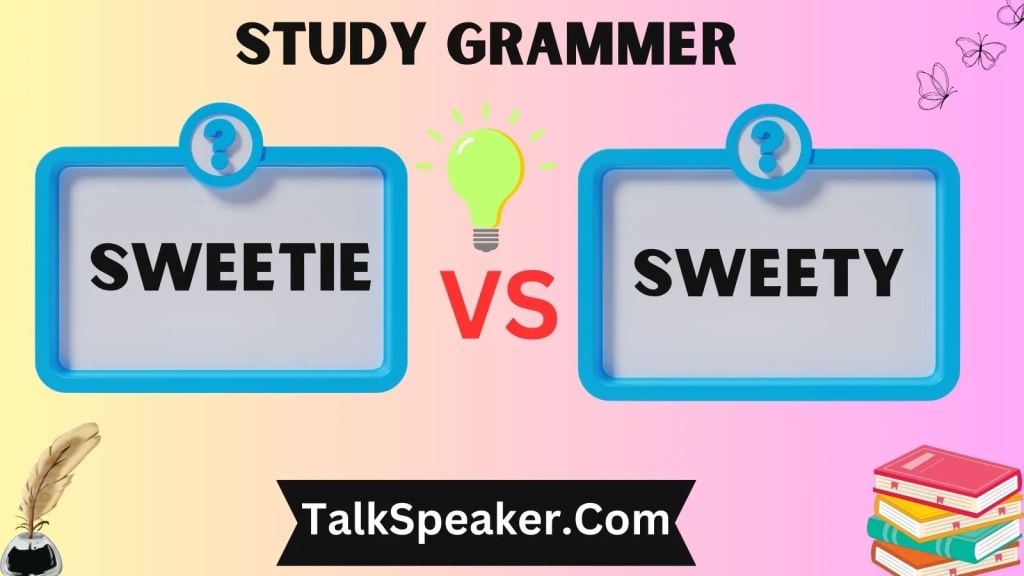
When it comes to terms of endearment, words like "Sweety" and "Sweetie" often pop up in conversations. But have you ever stopped to wonder: Is there a difference between the two? While they might seem interchangeable at first glance, these two words carry subtle distinctions in usage, tone, and even cultural perception. Let’s dive into the world of affectionate nicknames and unravel the mystery behind "Sweety Vs Sweetie."
The Basics: What Do "Sweety" and "Sweetie" Mean?
Both "Sweety" and "Sweetie" originate from the root word "sweet," which conveys kindness, affection, or something delightful. They're commonly used as pet names for loved ones, such as a partner, friend, or even a child. However, there are nuances to each term:
Sweety
This spelling is less common and is often perceived as more casual or playful.
"Sweety" is sometimes seen as a stylistic variation and can reflect a personal or cultural preference.
Example: "Hey Sweety, did you eat lunch yet?"
Sweetie
The standard and more widely accepted spelling.
"Sweetie" exudes warmth and affection and is often used in romantic or familial contexts.
Example: "Good morning, Sweetie! Have a great day."
The Difference Between "Sweety" and "Sweetie"
Aspect Sweety Sweetie
Usage Informal, sometimes playful More formal and affectionate
Popularity Less common Widely recognized and used
Tone Casual, friendly Romantic, endearing
Cultural Context Used in informal texting or slang Standard English in most contexts
When to Use "Sweety" or "Sweetie"
Understanding the appropriate context can make all the difference in using these terms effectively:
For Friends:
"Sweety" is often used among close friends or peers in a casual, light-hearted manner.
Example: "You’re such a sweety for helping me out!"
For Romantic Partners:
"Sweetie" is the go-to term for expressing affection in romantic relationships.
Example: "Sweetie, I missed you so much today!"
For Family Members:
Both terms can be used for children or family members, but "Sweetie" feels warmer and more traditional.
Example: "Come here, Sweetie, and give Grandma a hug."
Regional and Cultural Influences
The preference for "Sweety" or "Sweetie" can also vary based on cultural and regional norms. For instance:
In British English, "Sweetie" is more common and is often used affectionately.
In some non-native English-speaking regions, "Sweety" might appear more frequently as a result of transliteration or phonetic spelling.
Common Mistakes and Misunderstandings
Assuming They're Always Interchangeable:
While both terms are affectionate, using "Sweety" in a professional or formal setting might come across as too casual or even grammatically incorrect.
Overusing the Terms:
While sweet nicknames can strengthen bonds, overusing them in inappropriate contexts might dilute their impact.
Alternatives to "Sweety" and "Sweetie"
If you want to mix things up, here are some other affectionate terms you can use:
Honey
Babe
Love
Darling
Cutie
Angel
Final Thoughts
Whether you prefer "Sweety" or "Sweetie," the key lies in how the term resonates with you and the person you’re addressing. Both words carry a sense of affection and warmth, but "Sweetie" is the safer, more universal choice for most situations. Meanwhile, "Sweety" offers a quirky, playful twist for casual conversations.
The next time you’re about to send a message or call someone by an affectionate name, consider the tone and context. After all, it’s the thought and connection behind the word that truly matters!
What’s your go-to term of endearment? Share your thoughts in the comments below! 😊
About the Creator
Talks Speaker
My expertise lies in English grammar, and I am highly skilled in this field. With a deep understanding of grammatical rules and structures.
Learn Grammer On my Website https://talkspeaker.com/
Keep reading
More stories from Talks Speaker and writers in Education and other communities.
What Is The Difference B/W Sweety vs Sweetie
Sweety vs. Sweetie: What's the Difference and Which One Should You Use? When it comes to terms of endearment, words like "Sweety" and "Sweetie" often pop up in conversations. But have you ever stopped to wonder: Is there a difference between the two? While they might seem interchangeable at first glance, these two words carry subtle distinctions in usage, tone, and even cultural perception. Let’s dive into the world of affectionate nicknames and unravel the mystery behind "Sweety" and "Sweetie."
By Talks Speakerabout a year ago in Education
7 Online Skills That Can Change Your Financial Future in 2026
7 Online Skills That Can Change Your Financial Future In today’s digital world, one skill can completely transform your life. Just a decade ago, making money online sounded unrealistic to many people. Today, thousands of people are building careers, businesses, and even financial freedom using only their laptops and internet connections. The truth is simple: the internet has created opportunities that never existed before. But the biggest mistake most people make is waiting for the “perfect moment” to start learning. The reality is that learning just one valuable online skill can open doors to income streams you never imagined. Here are seven powerful online skills that can truly change your financial future. 1. Content Writing Content writing is one of the easiest online skills to start with. Every website, blog, and online business needs high-quality content to attract readers and customers. If you can write helpful, interesting, or informative articles, you already have the foundation for this skill. Content writers earn money by writing: Blog posts Website content Product descriptions News articles Platforms like freelance marketplaces, blogging websites, and digital publications are always looking for good writers. With practice, many writers turn this skill into a full-time career. 2. Graphic Design In the online world, visuals matter. Businesses need logos, social media graphics, advertisements, and brand designs to attract attention. Graphic design allows creative people to turn their imagination into income. Even beginners can start by learning simple tools and gradually improving their skills. Graphic designers can work with: Small businesses Online brands Content creators Marketing agencies A single well-designed logo or brand package can sometimes earn more than weeks of traditional work. 3. Video Editing Video is the most powerful form of content on the internet today. From social media platforms to online courses, videos dominate the digital world. But most creators don’t have the time or skill to edit their own videos. This is where video editors come in. If you learn how to cut clips, add music, create smooth transitions, and improve video quality, you can become extremely valuable. Video editors are needed by: YouTubers Businesses Online educators Social media influencers The demand for video editing continues to grow every year. 4. Social Media Management Millions of businesses rely on social media to reach customers. But many business owners don’t know how to grow their pages, create content, or engage with their audience. Social media managers help brands: Plan content Post regularly Respond to followers Grow their audience With the right strategy, social media managers can manage multiple accounts and earn steady monthly income. This skill combines creativity with marketing knowledge, making it highly valuable. 5. Digital Marketing Digital marketing is one of the most powerful online skills you can learn. It involves promoting products, services, or brands through online channels such as search engines, social media, and email. Digital marketers help businesses get: More website visitors More customers More sales Companies are willing to pay well for people who can increase their revenue. Learning digital marketing can open doors to freelance work, remote jobs, or even your own online business. 6. Web Development Every business needs a website. But building a professional website requires technical skills. Web developers create and maintain websites using coding languages and development tools. Although this skill takes more time to learn than others on this list, it is also one of the highest-paying online skills. Many web developers work remotely and build websites for clients all around the world. Once you gain experience, the opportunities become endless. 7. AI Content Creation Artificial intelligence is rapidly changing the online world. Many creators and businesses now use AI tools to produce content faster and more efficiently. AI content creators use technology to generate: Articles Images Videos Marketing content People who understand how to use AI tools effectively have a huge advantage in the modern digital economy. Instead of replacing creativity, AI often amplifies it. Those who learn how to combine creativity with technology will be ahead of the curve. Final Thoughts The internet has made it possible for anyone, anywhere in the world, to build valuable skills and create new income opportunities. But knowledge alone is not enough. The real difference comes from taking action. Pick one skill from this list and start learning today. Practice consistently. Improve a little every day. Over time, that single skill could become the foundation of a completely different financial future. Because sometimes, all it takes is one skill to change everything.
By Baseer Shaheen 5 days ago in Education
The Politics of Playing Dress-Up
Well, to start off I'd like to say a happy world book day to all who celebrate. I know I haven't really posted anything on my socials about it but I'm not a jubilant kind of person. I lay low most of the time. Let's start off with a popular anecdote from the vaults...
By Annie Kapur6 days ago in Geeks



Comments
There are no comments for this story
Be the first to respond and start the conversation.