
How Digital Twin Technology is Changing Furniture Manufacturing
Revolutionizing Production, Design, and Customization in the Furniture Industry
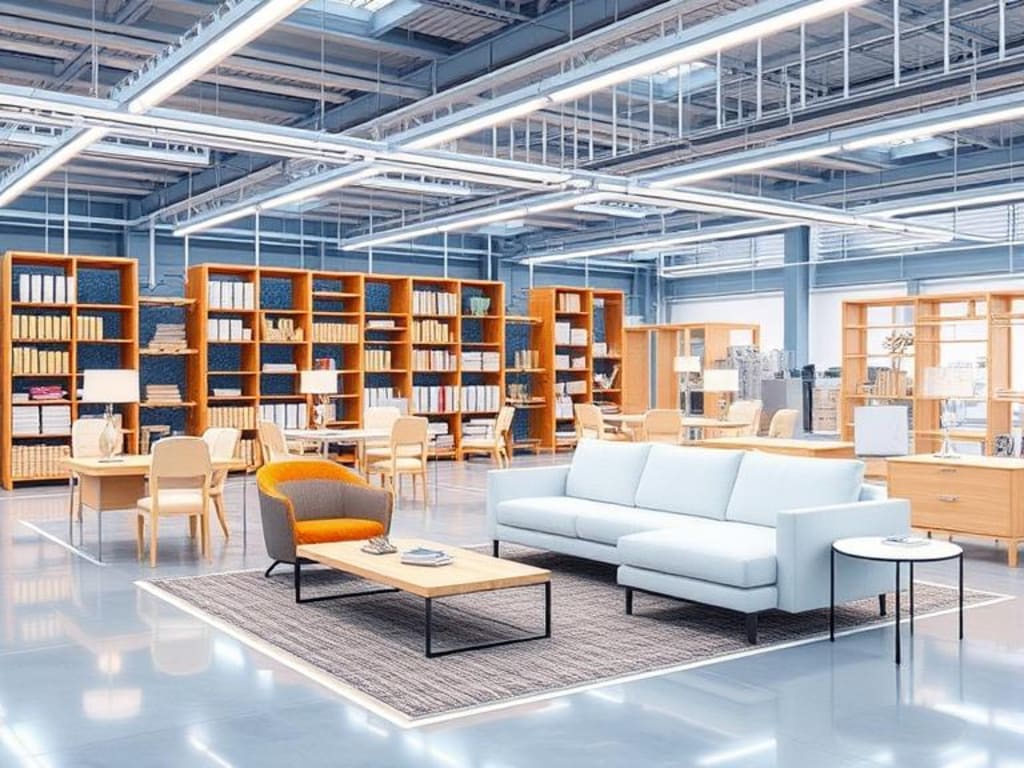
Digital twin technology is revolutionizing various industries by providing a virtual replica of physical assets, systems, or processes. In the context of furniture manufacturing, digital twin technology is transforming how companies design, produce, and manage their products. By creating digital models of physical furniture items and their production processes, manufacturers can enhance efficiency, reduce costs, improve customization, and streamline maintenance.
At its core, a digital twin is a digital replica of a physical object or system that allows manufacturers to monitor, simulate, and optimize production processes in real time. In the furniture manufacturing sector, digital twins can represent individual pieces of furniture, production lines, or even entire factories. The technology uses data from sensors, IoT devices, and other sources to update the digital model, creating an accurate and dynamic mirror of the physical world.
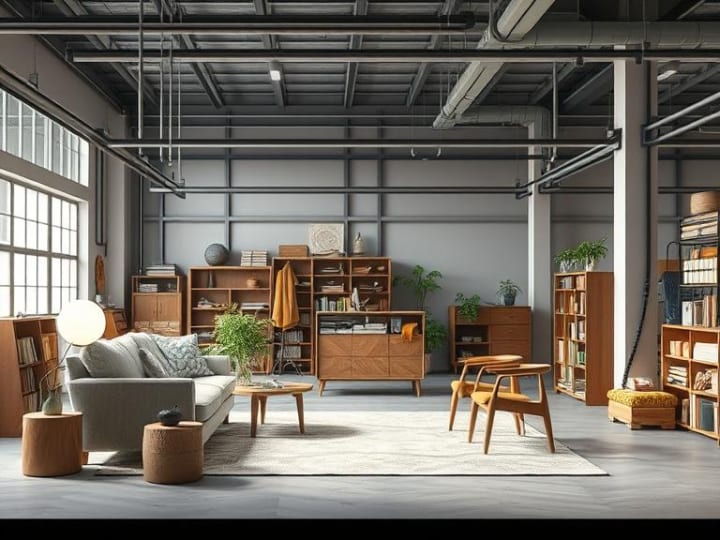
Design and Prototyping:
Traditionally, designing and prototyping furniture involved creating physical models or mock-ups, which was time-consuming and costly. Digital twin technology accelerates this process by allowing designers to create highly detailed 3D models of furniture items. These models can be tested, modified, and optimized in a virtual environment before a single piece of furniture is made. For example, designers can simulate how a chair or sofa will behave under stress, test different materials, and experiment with various finishes without the need for physical prototypes. This results in faster design iterations and more precise products that meet consumer expectations.
Customization and Personalization:
One of the major advantages of digital twin technology is its ability to offer highly personalized and customizable furniture. By integrating customer preferences into the digital twin, manufacturers can create furniture that is tailored to individual tastes and specifications. For instance, a customer might select a particular color, fabric, or shape through a digital interface. The digital twin can instantly adjust the model to reflect these changes, allowing the customer to visualize the final product in real time. This level of customization is not only appealing to consumers but also enhances manufacturers' ability to meet diverse market demands without the need for mass production.
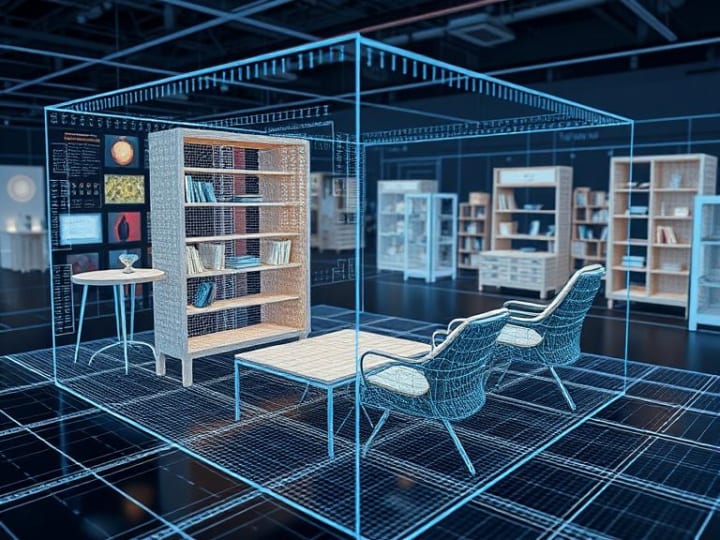
Optimizing Production:
Digital twins are also enhancing production efficiency. By integrating real-time data from machines and sensors into the digital twin, manufacturers can monitor the performance of their production lines and make adjustments on the fly. This can significantly reduce waste, minimize downtime, and optimize resource allocation. For instance, if a machine is about to malfunction or needs maintenance, the digital twin can alert operators, enabling them to take preventive measures before an issue disrupts the production process. Additionally, digital twins can help manufacturers identify bottlenecks in the production flow, allowing them to reallocate resources and improve throughput.
Sustainability and Waste Reduction:
Furniture manufacturing has traditionally been resource-intensive, with a considerable amount of material waste generated during the production process. Digital twin technology can contribute to more sustainable practices by optimizing material usage. By simulating the entire production process, manufacturers can identify areas where material waste can be reduced, leading to cost savings and a smaller environmental footprint. Furthermore, digital twins can help manufacturers track the lifecycle of furniture products, enabling them to offer services like repair or recycling at the end of the product's life.
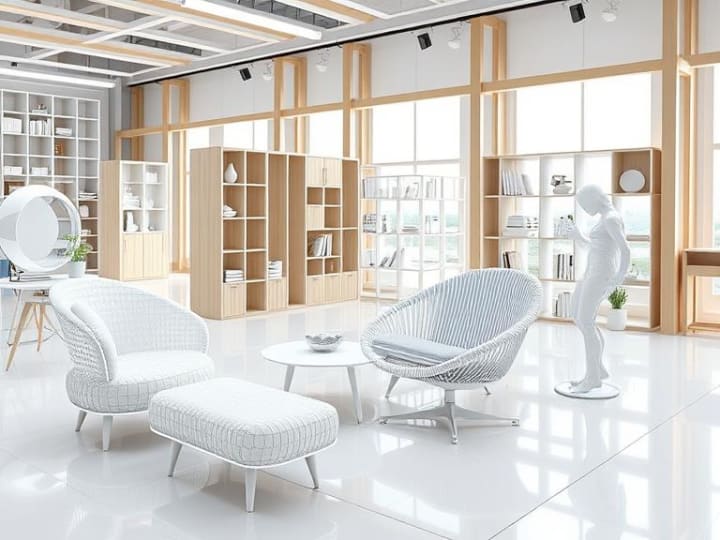
Maintenance and Lifecycle Management:
Once a piece of furniture is in use, its digital twin can continue to provide value by monitoring its condition and performance. For example, smart furniture equipped with sensors can be tracked through its digital twin, allowing manufacturers to predict maintenance needs, detect wear and tear, and even guide users in proper care. This proactive approach to maintenance extends the life of the furniture and can lead to higher customer satisfaction.
In conclusion, digital twin technology is a game-changer for the furniture manufacturing industry. By improving design, customization, production, sustainability, and lifecycle management, digital twins enable manufacturers to meet the evolving demands of consumers while driving operational efficiencies. As the technology continues to advance, the potential for even more transformative changes in the industry is vast.
About the Creator
Keep reading
More stories from Opaa Homes and writers in Education and other communities.
The Revival of Vintage and Retro Furniture in Modern Homes
In recent years, there has been a notable resurgence in the popularity of vintage and retro furniture in modern homes. This revival reflects a shift in consumer values, where individuality, sustainability, and a desire for high-quality, timeless designs are becoming increasingly important. Vintage and retro furniture, often characterized by unique craftsmanship, durability, and bold aesthetics, offer homeowners a chance to infuse their spaces with character, charm, and a sense of history.
By Opaa Homes10 months ago in Education
Before the Bell: Daily Pre-Market Steps That Drive Consistent Trading Wins
In daily trading, the difference between consistency and chaos often comes down to what happens before the session starts. The most reliable traders don’t wait for the bell to decide what to do—they use the early hours to map out a plan, filter distractions, and establish a tactical approach to the day.
By Agast Mishra7 days ago in Education
Image-to-text technology, also known as Optical Character
Image-to-text technology, also known as Optical Character Recognition (OCR), has transformed the way we interact with visual information. It allows machines to extract text from images, enabling various applications across multiple industries. From digitizing printed documents to reading text from scanned images, OCR plays a vital role in making printed content accessible, editable, and searchable. The need for such technology has grown exponentially with the increasing reliance on digital data and the rapid shift from physical to digital content in nearly all sectors of life. As the digital world continues to expand, image-to-text technology has paved the way for more seamless workflows, enabling businesses and individuals alike to save time, effort, and resources.
By Alexander Jackson4 days ago in Education
Getting Serious About Comedy (Part I)
If I were asked to remark on my life and the childhood that paved some road leading me to this point, I would have to say something about all the funny people who surrounded me for the last 26,872 days (and counting). Somewhere along that road, I became a big fan of laughter and the comedy that spawns it – and, I mean not only my own laughter, but the laughter of others, some of which I have actually been responsible for inducing.
By John Oliver Smith7 days ago in Humor




Comments
There are no comments for this story
Be the first to respond and start the conversation.