
Sustainable Furniture: A Key Element in Strengthening Corporate Social Responsibility
How Eco-Friendly Choices in Office Furniture Can Benefit the Environment, Brand Image, and Employee Well-Being
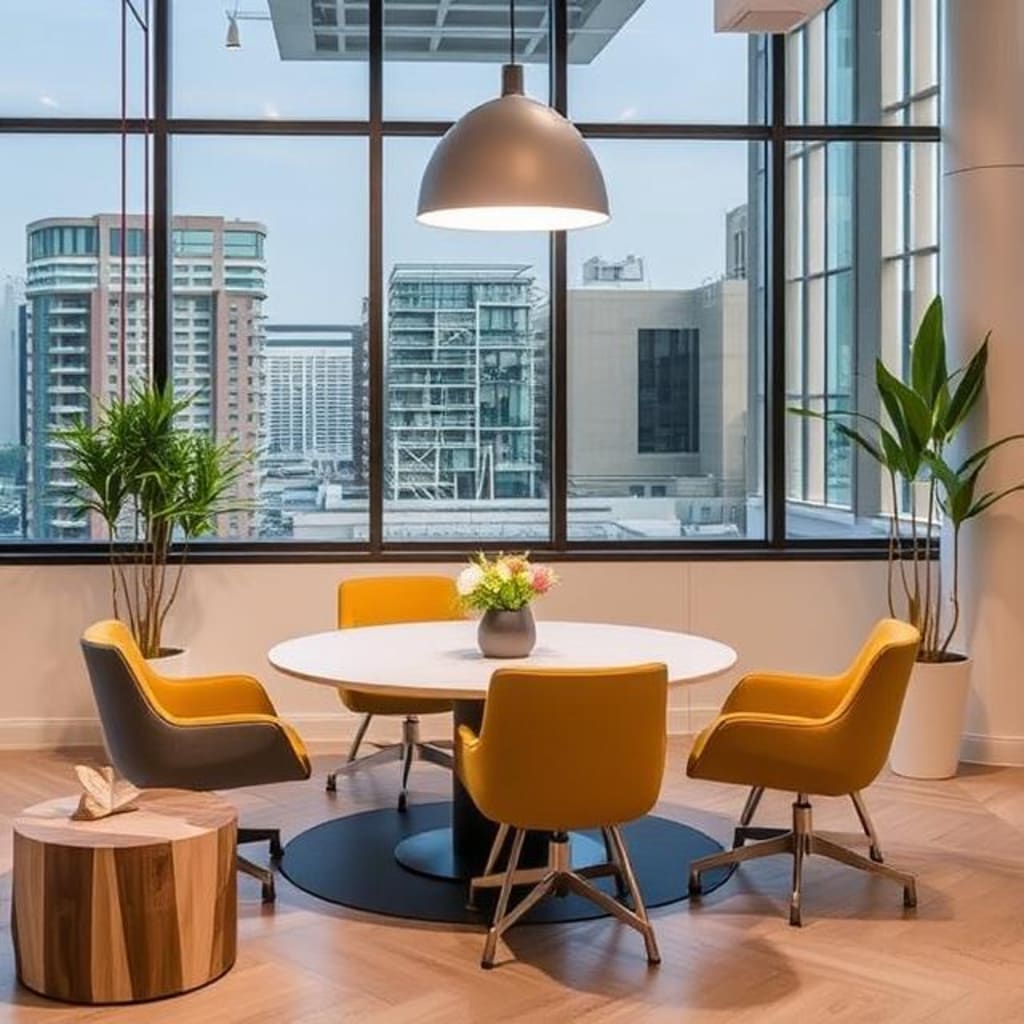
Sustainability has become a cornerstone of modern business strategies. In a world where environmental concerns are more pressing than ever, companies are searching for ways to reduce their environmental impact and align their operations with global sustainability goals. One often-overlooked area where businesses can make a significant difference is through their furniture choices. Sustainable furniture is an emerging trend in the business world, with a focus on using materials that are renewable, recyclable, or repurposed. This approach ensures that furniture has minimal environmental impact during its production, usage, and disposal. As companies seek to integrate sustainable practices into their operations, the furniture they choose plays a crucial role in advancing corporate social responsibility (CSR).
Positive Environmental Impact
The environmental impact of traditional office furniture can be substantial, as many pieces are made from non-renewable resources and are difficult to recycle. However, by opting for sustainable furniture, businesses can make a tangible difference in their carbon footprint. Sustainable furniture materials, such as bamboo, reclaimed wood, and recycled metals, have a much lower environmental cost than their conventional counterparts. Bamboo, for example, is a highly renewable resource that grows rapidly and requires minimal pesticides or fertilizers. Reclaimed wood comes from salvaged materials, reducing the need for new lumber and helping to preserve forests. Recycled metals help divert waste from landfills and reduce the energy consumption required for mining and processing new metal resources.

Choosing sustainable furniture also promotes a circular economy, where products are reused, repurposed, or recycled rather than being discarded at the end of their life cycle. This approach helps combat waste accumulation and supports a more sustainable way of living and doing business. By adopting these eco-friendly alternatives, businesses can actively contribute to reducing deforestation, energy consumption, and waste.
Enhanced Brand Image and Trust
In today’s competitive market, consumers are becoming more conscious of the environmental practices of the companies they support. A growing number of consumers, investors, and employees prefer to engage with brands that demonstrate a clear commitment to sustainability. By integrating sustainable furniture choices into their operations, businesses send a powerful message about their environmental responsibility and commitment to reducing their ecological impact.
This can have a profound effect on a company’s brand image and public perception. Customers are more likely to trust and engage with a company that aligns with their values, particularly when it comes to sustainability. When a business adopts eco-friendly practices, such as choosing furniture made from sustainable materials, it enhances its reputation as a responsible and forward-thinking organization. This, in turn, helps to foster customer loyalty, improve brand recognition, and build long-term trust.

Additionally, a company’s commitment to sustainability can attract socially-conscious investors who are increasingly interested in funding businesses with a strong environmental track record. By embracing sustainable furniture, businesses position themselves as leaders in corporate responsibility, which can translate into financial and reputational benefits.
Compliance with Regulations
As the world continues to grapple with environmental challenges, governments across the globe are tightening regulations to promote sustainability. Countries are introducing stricter policies that require businesses to reduce their environmental impact and adopt eco-friendly practices. By choosing sustainable furniture, companies can ensure they are staying ahead of these regulatory changes, avoiding potential fines, and remaining compliant with environmental standards.

Sustainable furniture choices also demonstrate that a company is taking proactive steps to address environmental concerns, which is increasingly becoming an expectation from regulatory bodies. Staying ahead of compliance requirements not only helps businesses avoid legal trouble but also positions them as responsible corporate citizens who are committed to supporting global sustainability initiatives.
Supporting Employee Well-Being
Sustainability in the workplace isn’t just about benefiting the environment—it also has a direct impact on employee well-being. Many sustainable furniture options prioritize non-toxic materials and ergonomic designs that improve the health and comfort of workers. For instance, furniture made from natural materials like wool, cotton, and bamboo fibers can help reduce indoor air pollution caused by volatile organic compounds (VOCs) found in traditional furniture finishes and fabrics.

Furthermore, ergonomic furniture designs, which focus on improving posture and reducing physical strain, can enhance employee productivity and overall health. A comfortable, healthy workspace fosters a positive work environment, which can boost morale and contribute to greater employee satisfaction. Businesses that prioritize the well-being of their employees through sustainable furniture choices demonstrate a holistic approach to corporate responsibility—one that values both the environment and the workforce.
Conclusion
Adopting sustainable furniture choices is not only a way to reduce a company’s environmental impact but also a strategic decision that can enhance its overall corporate social responsibility (CSR) efforts. By incorporating eco-friendly materials and designs into the workplace, businesses contribute to a greener future, strengthen their brand image, stay ahead of regulatory requirements, and promote employee well-being. Sustainable furniture is a powerful tool in building a company’s reputation as a responsible and forward-thinking organization. As sustainability becomes increasingly important in the business world, the furniture choices a company makes can have a lasting positive impact on its CSR initiatives and long-term success.
About the Creator
Keep reading
More stories from Opaa Homes and writers in Education and other communities.
How Sustainability Is Reshaping the Furniture Industry
As sustainability becomes an increasingly important priority across industries, the furniture sector is undergoing a significant transformation. Consumers today are more environmentally conscious than ever before, and this growing awareness is influencing purchasing decisions. Shoppers are not just looking for aesthetically pleasing and functional furniture; they also want products that reflect their values of sustainability and ethical production. In response to this shift, furniture manufacturers are adopting new approaches to materials, design, and production processes to meet the demand for eco-friendly options. This movement is reshaping the industry, pushing it toward more sustainable and responsible practices.
By Opaa Homes12 months ago in Education
Why UMPCO Fasteners Still Solve Critical Aerospace Problems Today
When I started researching legacy aerospace fastener manufacturers, I wasn’t just looking for brand names—I was looking for solutions to real aviation problems. Structural failure, vibration fatigue, corrosion at altitude, and long-term reliability are challenges that every aerospace engineer eventually faces. One name that repeatedly surfaced in technical documentation and historical aerospace supply chains was UMPCO fasteners.
By Beckett Dowhan6 days ago in Education
Best Laptop for Digital Art
In the vibrant world of digital art, the right laptop can be your greatest creative ally. Whether you're sketching breathtaking illustrations, designing compelling graphics, or animating entire worlds, you need more than just a machine you need a digital canvas that brings your ideas to life.
By Home Care Ranksabout 12 hours ago in Education




Comments
There are no comments for this story
Be the first to respond and start the conversation.