
Successful Winter Calving
Tips for Healthy Cows & Calves

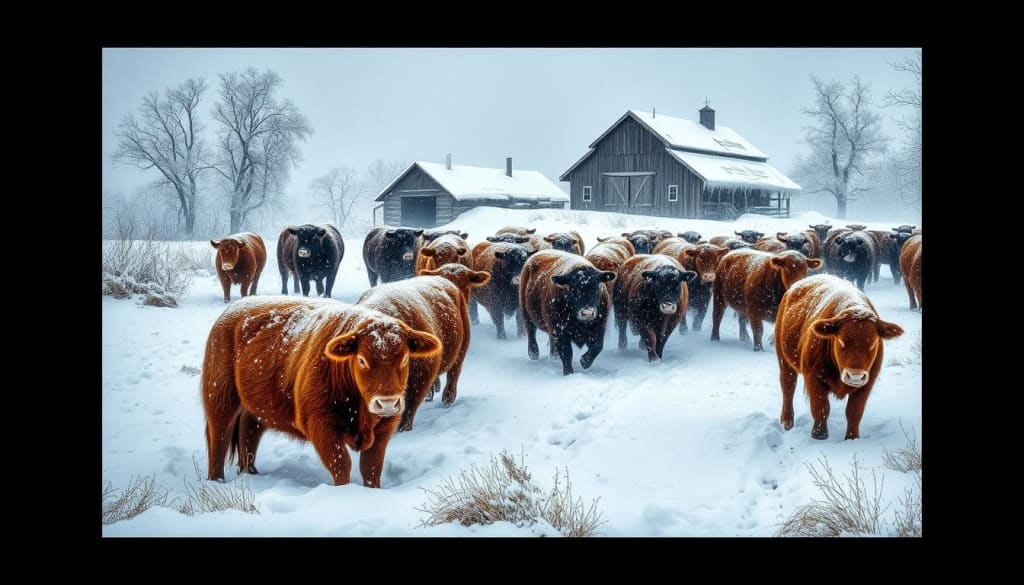
As winter comes, caring for newborn calves is more critical. What makes a successful winter calving season? How can farmers keep both the mother and the calf healthy? The answer is in good livestock management, especially in winter.
Every farmer knows a successful calving season relies on the health of the mother and the newborns. This is true more in winter, when cold weather makes caring for them harder. By understanding winter calving's challenges, farmers can prepare well. This includes nutrition, health monitoring, and care.
Understanding the Challenges of Winter Calving
Winter weather can harm animal health, especially for newborn calves. Calving facilities need to be safe and healthy for both the mother and calf. It's important to know the challenges of winter calving to find ways to overcome them.
Winter calving faces many challenges, like cold temperatures hurting newborn calves. Hypothermia and breathing problems are common risks. Proper planning and preparation are key to keeping calves healthy. This means giving them good shelter, food, and care.
Temperature Impact on Newborn Calves
Newborn calves are very sensitive to cold. Hypothermia is a big risk. It's crucial to keep them warm and dry, and watch their temperature closely. Calving facilities should offer good shelter and protection.
Common Winter Calving Risks
Hypothermia, breathing issues, and diseases are common in winter calving. It's important to reduce these risks. This includes giving the mothers and calves enough food and watching their health.
Seasonal Timing Considerations
When to calve is also important in winter. The timing can affect the health of the calves. By understanding these challenges and taking steps to address them, farmers and ranchers can keep their animals healthy.
Essential Winter Calving Facility Preparation
Getting calving facilities ready for winter is key to a successful calving season. It's important to make sure the area is warm, safe, and meets the needs of the mother and calf. Good winter calving tips can lower risks and create a healthy space for newborns.
To get the calving facilities ready, focus on these important points:
• Make sure it's warm and well-ventilated to avoid hypothermia and breathing issues
• Offer safe and comfy bedding to lower injury and disease risks
• Have all the needed tools, like heat lamps and medical supplies
By following these winter calving tips and preparing the calving facilities well, farmers can ensure a healthy winter calving season. It's crucial to focus on the health and well-being of both the mother and the calf during this time.
Also, keeping the calving facilities clean and well-maintained is key to stopping disease spread and keeping a healthy environment. By doing this, farmers can lessen winter calving risks and give newborns a strong start.
Creating an Optimal Calving Environment
Effective livestock management is key for a successful calving season. It's important to create a healthy environment for newborn calves. This includes bedding requirements that are dry and clean to stop disease spread. Farmers should also think about shelter specifications that keep calves safe from bad weather.
In cattle breeding, managing ventilation is crucial to stop disease spread. This means the shelter needs good airflow to remove moisture and ammonia. By focusing on these points, farmers can greatly improve calving season success. Some important things to consider for a great calving environment are:
• Providing enough bedding to keep calves warm and dry
• Ensuring shelter specifications that protect from harsh weather conditions
• Managing ventilation to prevent the spread of diseases
By using these strategies, farmers can help in healthy cattle breeding and effective livestock management. This leads to a successful calving season and better health for the calves.
Creating a great calving environment needs careful planning and attention. By focusing on calf health, farmers can have a successful calving season. This also helps in the long-term success of their cattle breeding operations.
Pre-Calving Nutrition Management
Proper nutrition is key for animal health during winter, especially for pregnant cows. A well-fed mother is more likely to have a healthy calf. This is crucial for a successful calving experience.
A balanced diet with protein, energy, and minerals is vital. Newborn calf care starts with the mother's diet. A nutrient-rich diet ensures the calf is born healthy and strong.
Some key considerations for pre-calving nutrition management include:
• Providing a balanced diet that meets the nutritional needs of the mother and the fetus
• Ensuring access to clean water and adequate shelter
• Monitoring the health and condition of the mother and the fetus
By focusing on pre-calving nutrition, farmers and ranchers can ensure a healthy calving. This is vital for animal health during winter and newborn calf care.
By following these guidelines, farmers and ranchers can promote healthy calving. This is essential for the well-being of the mother and the calf.
Emergency Supply Checklist for Winter Calving
Having a well-stocked emergency supply checklist is key for a successful winter calving season. It should include medical supplies, warming equipment, and feeding tools. These items help keep cows and calves healthy during this important time.
Some important items for the checklist are:
• Medical supplies, such as antibiotics and bandages
• Warming equipment, such as heat lamps and warm water bottles
• Feeding tools, such as esophageal feeders and milk replacers
Think about your farm's specific needs and the winter calving tips that apply to you. For example, if many calves are born during the calving season, you'll need more supplies to care for them.
Preparing an emergency supply checklist and stocking up on essential items is crucial. This way, farmers can ensure a healthy and successful winter calving season.
Supply Description
Medical supplies Antibiotics, bandages, and other essential medical items
Warming equipment Heat lamps, warm water bottles, and other warming devices
Feeding tools: Esophageal feeders, milk replacers, and other feeding equipment
Monitoring Systems and Technologies
Effective livestock management is key during winter calving. Monitoring systems and technologies help a lot. They let farmers keep an eye on their animals' health and spot problems early.
These tools also help farmers manage better. They can predict issues and improve how they care for their animals.
Some big benefits of using these systems in winter weather challenges are:
• Improved animal health and lower death rates
• Better response to challenges and outcomes
• More efficient and productive management
For instance, temperature monitoring systems alert farmers to cold risks. This lets them protect their animals before it's too late. By using these technologies, farmers can handle livestock management and winter weather challenges better.
Adopting monitoring systems and technologies helps farmers make smart choices. They use data to improve livestock management. This leads to better results and better care for animals.
First-Hour Care Protocol
The first hour of a calf's life is very important. A good care plan is key for their health and survival. This plan includes managing colostrum, keeping the calf warm, and checking its health. These steps are vital for newborn calf care and animal health during winter.
Colostrum Management
Colostrum is the first milk from the mother. It's full of antibodies that protect the calf from sickness. It's crucial for the calf to get colostrum in the first hour to boost its immune system.
Temperature Regulation
Keeping the calf warm is also key in the first hour. Newborn calves can easily get too cold. Farmers need to make sure the calving area is warm and dry, helping the calf stay at a good body temperature.
Health Assessment
A detailed health check should be done on the calf in the first hour. This check looks for any signs of illness, injury, or birth defects. It's best done by a vet or an experienced farmer.
By sticking to this first-hour care plan, farmers can help their newborn calves stay healthy, even in cold weather. This is especially crucial for newborn calf care, as it lays the foundation for a strong and healthy life.
Component Importance
Colostrum Management~Essential for immune system development
Temperature Regulation~Critical for preventing hypothermia
Health Assessment~mportant for identifying potential health issues
Winter Health Challenges and Solutions
Winter weather can be tough on livestock, especially calves. Livestock management is key to avoid health problems like respiratory issues and hypothermia. Farmers need to know the risks and take steps to keep their animals healthy.
Some common health challenges for calves in winter include:
• Respiratory issues due to cold stress
• Hypothermia caused by inadequate shelter and bedding
• Increased risk of disease transmission due to closer living quarters
To fight these risks, farmers can offer warm, dry shelter and good ventilation. They should also keep a close eye on their animals' health. Winter weather challenges can be managed with the right livestock management and quick action when health problems arise.
By being proactive, farmers can protect their animals and have a successful calving season.
Health Challenge & Solution
Respiratory issueS: Provide warm and dry shelter, ensure adequate ventilation
Hypothermia: Provide adequate bedding, monitor temperature closely
Disease transmission Implement biosecurity measures, monitor animal health closely
Mother-Calf Bonding in Cold Conditions
In cattle breeding, the bond between a mother and her calf is crucial. It's especially important during winter calving. This bond helps the calf stay warm.
Farmers should ensure the mother and calf have enough room. They should also watch for signs of stress or discomfort in the calf. This helps the mother and calf bond well.
Important factors to consider include:
• Space: Providing enough space for the mother and calf to move around comfortably
• Behavior: Monitoring the calf's behavior for signs of stress or discomfort
• Health: Ensuring that both the mother and calf are healthy and receiving proper care
By focusing on mother-calf bonding and following these winter calving tips, farmers can ensure their cattle's health and well-being. A strong bond between the mother and calf is key for the calf's development and future productivity.
Post-Calving Care and Management
After a successful calving, it's vital to focus on post-calving care and management. This ensures the calf's health and development. Newborn calves are especially vulnerable to health challenges during winter.
A good newborn calf care plan includes nutrition, health monitoring, and growth tracking. The calf needs a diet rich in nutrients for its fast growth. Regular health checks help spot issues early, allowing for quick action and treatment.
Some key aspects of post-calving care and management include:
• Nutritional supplements to support the calf's growth and development
• Regular health monitoring to detect any signs of illness or distress
• Growth tracking to ensure the calf is developing as expected
By focusing on post-calving care and management, farmers can ensure their calves' long-term health and productivity. Even in tough animal health during winter conditions, proper care helps calves thrive and grow into healthy, productive animals.
Effective post-calving care and management need a detailed approach, considering each calf's unique needs. By giving optimal care and attention, farmers help their calves overcome winter challenges and reach their full potential.
Winter weather can be unpredictable and harmful to livestock. It's crucial to have a plan ready for emergencies. This plan should cover how to keep animals safe and healthy when the weather is extreme.
Some important things to think about when planning for winter weather include:
• Identifying potential risks and hazards associated with winter weather challenges
• Developing strategies for mitigating these risks and ensuring the continued health and well-being of livestock
• Establishing communication protocols for emergency situations
• Ensuring access to necessary resources and equipment for livestock management during winter weather events
Effective management of livestock in winter requires careful planning. A contingency plan helps farmers deal with winter weather risks. Proactive planning is essential for managing livestock well during winter.
By focusing on contingency planning, farmers can keep their livestock healthy, even in harsh winter weather. This supports the long-term success of their livestock operations.
Conclusion: Ensuring Winter Calving Success
To have a successful winter calving season, you need a detailed plan. This plan should focus on keeping cows and calves healthy. By following the steps in this guide, farmers can overcome the cold weather challenges.
Getting the calving areas ready, managing what cows eat before calving, and having an emergency kit are key. Also, watching the herd closely, using new technology, and giving newborns special care in the first hour can make a big difference.
It's important to deal with health issues that come up in winter, build strong bonds between mothers and calves, and take good care of them after birth. Having a solid backup plan is also crucial for handling unexpected weather changes.
By using the advice from this guide, farmers can improve their winter calving efforts. Taking care of the herd's health during this time will lead to long-term success. This ensures the farm keeps growing and thriving.
FAQ
What are the key challenges of winter calving?
Winter calving faces challenges like cold temperatures affecting newborn calves. There are also risks and the need to consider the season's timing.
How can I prepare my calving facility for the winter season?
It's crucial to prepare the calving facility. Ensure it's warm, safe, and has the right equipment for winter calving.
What are the essential elements of creating an optimal calving environment?
An optimal calving environment needs good bedding, shelter, and ventilation. This keeps calves warm, dry, and healthy.
Why is pre-calving nutrition management important?
Good nutrition before calving is key for the mother and the fetus. A well-fed mother is more likely to have a healthy calf.
What emergency supplies should I have on hand for winter calving?
Keep medical supplies, warming equipment, and feeding tools ready. They might be needed in emergencies during winter calving.
How can monitoring systems and technologies aid in winter calving?
Monitoring systems help track animal health and predict issues. They improve management during winter calving.
What is the critical first-hour care protocol for newborn calves?
The first hour is crucial. It includes managing colostrum, regulating temperature, and a health check. This ensures a good start for the calf.
What are the common winter health challenges for calves and how can they be addressed?
Calves face respiratory issues and hypothermia in winter. Preventive measures and targeted treatments can help.
How can I facilitate mother-calf bonding in cold conditions?
Provide enough space and watch for behavioral signs. This helps with bonding, even in cold weather.
What are the key aspects of post-calving care and management?
Post-calving care includes meeting the calf's nutritional needs and monitoring health. Tracking growth is also important for the calf's long-term health.
How can I prepare for unpredictable winter weather events?
A detailed plan for winter weather is essential. It keeps humans and animals safe on the farm.
About the Creator
How Interest Rates Impact Real Estate Investments and Investor Decision Making
Interest rates impact real estate investments at every stage of the buying and owning process. From the first loan application to long term holding strategies, interest rates influence costs, demand, and overall returns. Many investors focus only on property price, but interest rates often play a larger role in success or failure. This article explains how interest rates affect real estate investments in a clear and simple way, using practical examples that are easy to understand.
By Manny Khoshbin3 days ago in Education




Comments
There are no comments for this story
Be the first to respond and start the conversation.