
"Student life in foreigner,s countries.
"Student life in foreigner,s countries.

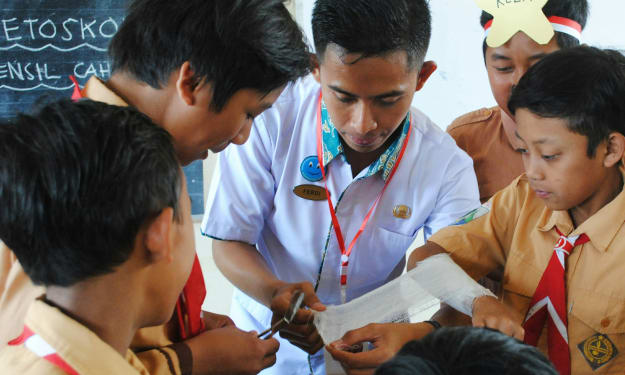
As the world becomes increasingly interconnected, more and more students are choosing to study abroad. Studying in a foreign country can be a life-changing experience, offering a chance to immerse oneself in a new culture, learn a new language, and gain a unique perspective on the world. But what is student life like in foreign countries? Let's take a closer look.
Language and Culture
One of the biggest differences between student life in foreign countries and in one's home country is the language barrier. Depending on where one chooses to study, the language spoken in the classroom and around campus may be different from what one is used to. This can be challenging, but it can also be an opportunity to learn a new language and gain valuable communication skills. Many universities offer language classes for foreign students, which can be a great way to improve one's language proficiency.
In addition to the language barrier, students may also encounter cultural differences when studying abroad. For example, in some cultures, punctuality may be highly valued, while in others, it may be more relaxed. Understanding and adapting to these cultural differences can be a key part of succeeding as a student in a foreign country.
Academic Culture
Another difference is the academic culture. Depending on the country, the academic system may be structured differently, with different expectations and norms. For example, in some countries, the emphasis may be on independent study and self-directed learning, while in others, there may be more of a focus on group work and collaboration. It's important for students to understand these differences and adapt to them in order to succeed academically.
One of the challenges of studying abroad can be balancing academic demands with the desire to explore and experience the new culture. Students may be tempted to spend all their time exploring their new surroundings, but it's important to remember that studying abroad is ultimately an academic experience. Balancing academics and cultural exploration can be a challenge, but with careful planning and time management, it is possible to excel academically while still enjoying all that a new culture has to offer.
Social Life
Social life can also be different in foreign countries. Depending on the culture, socializing may involve different activities and norms than one is used to. For example, in some countries, it may be more common to socialize over meals or drinks, while in others, activities like hiking or playing sports may be more popular. Making friends can also be a challenge, especially if one doesn't speak the local language fluently. However, many universities have international student organizations and events, which can be a great way to meet people from different backgrounds.
Housing
Housing is another important aspect of student life in foreign countries. Depending on the country and the university, students may have a variety of options for housing, including dormitories, apartments, or homestays with local families. Each option has its own advantages and disadvantages, and students should carefully consider their options before making a decision. Factors to consider include cost, proximity to campus, and the level of independence and privacy desired.
Cost of Living
Living in a foreign country can also be expensive. Depending on the country, the cost of living may be higher or lower than what one is used to, and the exchange rate can also have an impact. It's important for students to budget carefully and plan for expenses like housing, food, transportation, and travel. Many universities offer financial aid and scholarships to help offset the cost of studying abroad, and students should take advantage of these resources.
Health and Safety
Health and safety are also important considerations when studying abroad. Depending on the country, students may need to take certain health precautions, such as getting vaccinated or taking medication to prevent illnesses like malaria or typhoid. Students should also
About the Creator
Keep reading
More stories from Vimal Wadhwani and writers in Education and other communities.
GERMANY
Germany is a country that has a rich cultural heritage, a thriving economy, and a high standard of living. It's no surprise that many students choose to study in Germany, whether for its renowned universities, its vibrant cities, or its delicious cuisine. In this article, we'll explore all the details about studying, traveling, food, language, and culture in Germany.
By Vimal Wadhwani3 years ago in Education
How to Implement Digital Signage in Your Pharmacy
I'll never forget the first time I walked into a pharmacy with digital signage displays showing real-time prescription wait times and health tips. As someone who'd spent years waiting in line wondering how much longer I'd be there, seeing that information displayed so clearly felt revolutionary. That experience stuck with me, and when I later helped my cousin implement digital signage in her independent pharmacy, I realized just how transformative this technology could be for both pharmacy owners and customers.
By Jerry Kane 2 days ago in Education
Prevention First: How Proactive Medical Care Builds Stronger Communities
Preventive medical care plays a critical role in shaping healthier communities. When people receive care before illness develops, they avoid many severe conditions. This approach improves quality of life and reduces strain on healthcare systems. Moreover, prevention supports long-term wellness rather than short-term treatment. Communities that prioritize preventive care experience lower rates of chronic disease. As a result, individuals remain active and productive. Preventive care, therefore, serves as the foundation for sustainable public health.
By St. John's Community Health4 days ago in Education



Comments
There are no comments for this story
Be the first to respond and start the conversation.