
Straight Engines: Benefits, Features & Applications
Straight Engine is one of the most common and widely used internal combustion engine configuration.
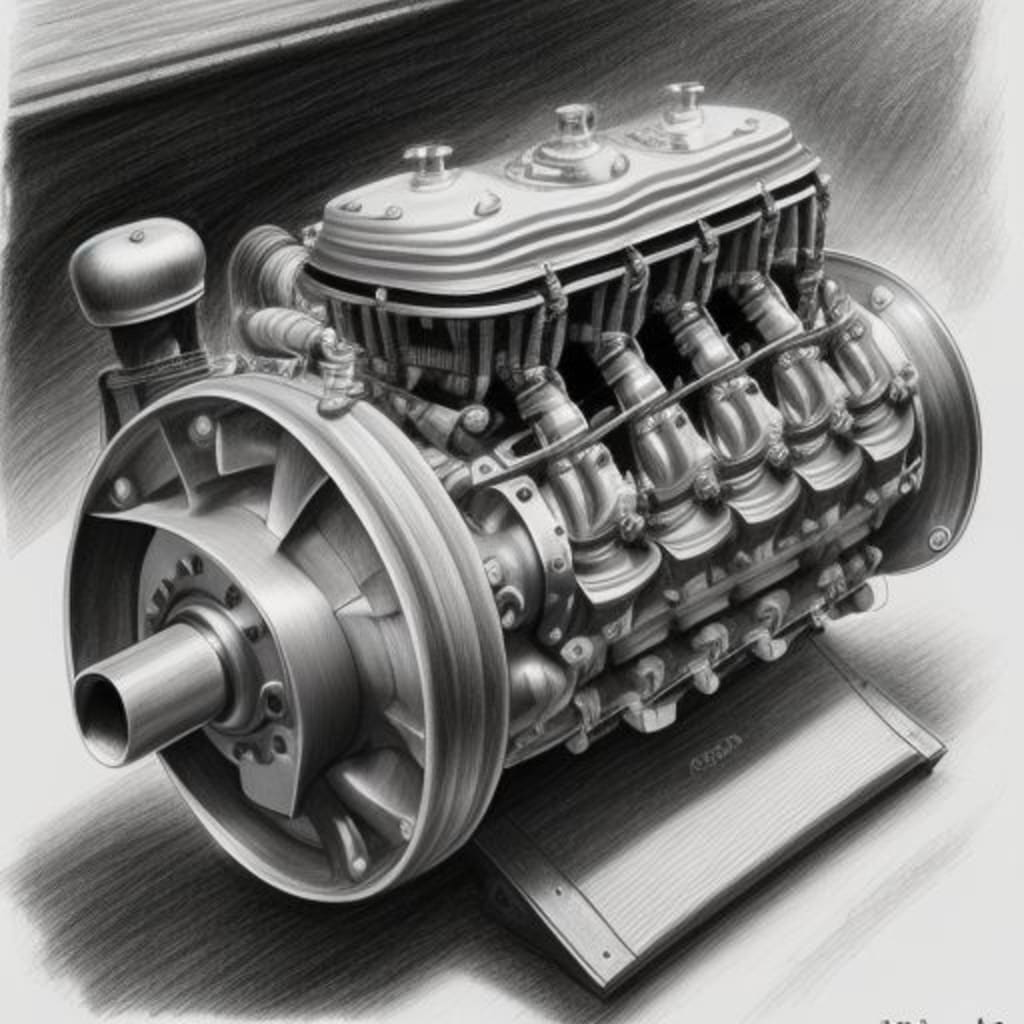
Overview
A straight engine, also known as an inline engine, is one of the most common and widely used internal combustion engine configurations. The design features all the cylinders arranged in a straight line, offering various advantages such as simplicity, space efficiency, and smoother performance. This engine type is widely seen in cars, motorcycles, and even light aircraft. Understanding the components, benefits, and applications of straight engines will help highlight why they remain a popular choice in the automotive world.
What is a Straight Engine?
A straight engine is an engine configuration where the cylinders are arranged in a single row, as opposed to other layouts such as V-type or boxer engines. The inline engine design is compact, typically used for 3, 4, 5, or 6-cylinder setups, though some engines may have more. The simplicity of this design makes straight engines easier to manufacture and maintain.
The key feature of the straight engine is its linear cylinder arrangement, which reduces the complexity seen in other engine types that require additional components such as a V-shaped configuration. The inline layout also allows for better fuel efficiency, more reliable performance, and reduced mechanical stress.
Key Features of a Straight Engine
1. Linear Cylinder Arrangement: The cylinders are placed in a straight line, allowing for a simpler and more efficient design. This layout makes the engine easier to install and results in more uniform power delivery across all cylinders.
2. Balanced Performance: Straight engines, particularly those with inline-4 or inline-6 configurations, offer a smooth operation with less vibration compared to other engine types. The design is naturally balanced, reducing mechanical wear and increasing longevity.
3. Compact and Efficient Design: Due to the linear alignment, straight engines are often more compact than their V-shaped or flat counterparts. This makes them ideal for smaller vehicles or applications where space is at a premium, such as motorcycles and compact cars.
4. Cost-Effectiveness: The simpler design of a straight engine means fewer parts are needed, which makes it less expensive to manufacture and maintain. This results in lower overall production costs and easier repairs, especially for everyday vehicles.
Advantages of Straight Engines
1. Improved Fuel Efficiency: The straightforward design of a straight engine offers better fuel efficiency compared to more complex engine types. The reduced friction and mechanical complexity lead to less energy loss, improving overall fuel consumption.
2. Reduced Maintenance Costs: Straight engines require fewer parts, which translates to less wear and tear. With fewer components to maintain or replace, these engines typically incur lower maintenance costs, making them more budget-friendly over the long term.
3. Smoother Operation: Inline configurations, especially inline-6 engines, are known for their smooth power delivery. This reduces vibrations and ensures a more comfortable driving experience. The inherent balance of the design means fewer counterweights are needed to smooth out engine performance.
4. Reliability: Straight engines are known for their longevity and reliable performance. The simpler structure minimizes the chance of mechanical failure, making them a preferred choice for both everyday vehicles and high-performance applications.
Applications of Straight Engines
1. Automotive Industry: Straight engines are commonly found in compact cars, sedans, and trucks. Notable manufacturers like BMW, Toyota, and Honda utilize straight engines in many of their models, particularly in vehicles requiring good fuel efficiency and performance. Inline-4 engines are most commonly used in everyday vehicles, while inline-6 engines are found in luxury vehicles and performance cars.
2. Motorcycles: Motorcycles, especially those that focus on reliability and fuel economy, often use straight engines. The inline-4 engine configuration is common in sports and touring motorcycles, where smooth power delivery and balance are crucial for a safe and enjoyable riding experience.
3. Aircraft: Some small aircraft use straight engines, particularly for light aviation and private planes. The reliability and fuel efficiency offered by straight engines make them ideal for applications in aviation.
4. Commercial Vehicles: Straight engines are also used in some larger commercial vehicles, such as buses and light trucks. These engines are preferred for their fuel economy and low maintenance needs, which are crucial in the commercial transportation industry.
Final Words
Straight engines remain one of the most popular and versatile engine types in the world today. Their simplicity, fuel efficiency, and low maintenance costs make them a go-to choice for a wide range of applications, from everyday cars to high-performance vehicles and small aircraft. With advancements in technology, the straight engine continues to evolve, delivering reliable performance and smoother operation. Whether you are driving a compact sedan, riding a motorcycle, or flying a light aircraft, the straight engine offers a practical and efficient solution for reliable power generation. The benefits of straight engines make them a timeless choice, and their application across industries continues to prove their value in the modern automotive landscape.
About the Creator
Keep reading
More stories from Samaira Rajput and writers in Education and other communities.
Random Number Creator Vs Random Number Generator
Overview In the world of random number generation, two terms often arise: Random Number Creator (RNC) and Random Number Generator (RNG). While these terms might appear to be synonymous, they serve distinct roles in producing random numbers. Random Number Creator (RNCs) are increasingly regarded as superior for specific applications due to their ability to generate numbers that are truly unpredictable. This article will explore the differences between RNGs and RNCs, explain how they work, and highlight why RNCs are a better choice in certain critical use cases.
By Samaira Rajputabout a year ago in Education




Comments
There are no comments for this story
Be the first to respond and start the conversation.