
Stool Withholding: Causes, Symptoms, and Treatment
What is Stool Withholding?
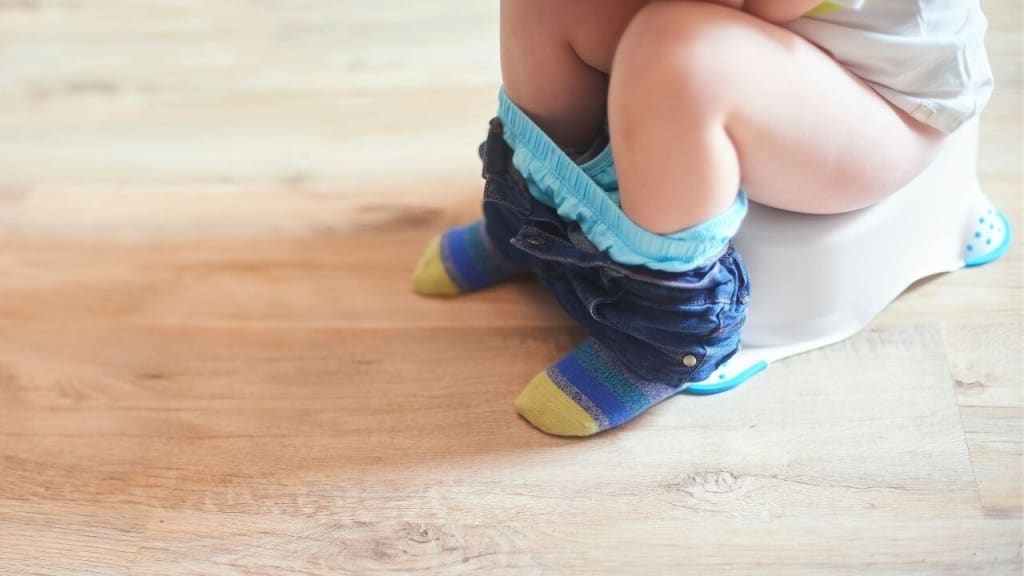
Stool withholding is a common problem, especially in children. It is a condition in which an individual voluntarily resists or delays defecation. Stool withholding can cause many physical and emotional problems, including constipation, abdominal pain, and anxiety. This article will discuss the causes, symptoms, and treatment options for stool withholding.
What is Stool Withholding?
Stool withholding is a behavior in which an individual voluntarily suppresses the urge to defecate, resulting in the retention of stool in the rectum. Stool withholding is common in children but can also occur in adults. The condition can cause many physical and emotional problems, including constipation, abdominal pain, and anxiety.
Causes of Stool Withholding
The causes of stool withholding vary depending on the individual. However, some common causes include:
Fear or Anxiety
Fear or anxiety is a common cause of stool withholding in children. Fear of painful bowel movements, embarrassment, or anxiety about using public restrooms can cause children to withhold their stool.
Painful Bowel Movements
Painful bowel movements can cause children to associate bowel movements with discomfort, leading to stool withholding. Painful bowel movements can be caused by constipation, anal fissures, or other medical conditions.
Medical Conditions
Certain medical conditions, such as irritable bowel syndrome (IBS), can cause stool withholding in adults. Other medical conditions that can cause stool withholding include hemorrhoids, diverticulitis, and inflammatory bowel disease.
Symptoms of Stool Withholding
The symptoms of stool withholding can vary depending on the individual. However, some common symptoms include:
- Infrequent bowel movements
- Hard or dry stool
- Abdominal pain or discomfort
- Bloating or gas
- Loss of appetite
- Irritability or mood changes
Treatment Options for Stool Withholding
The treatment options for stool withholding depend on the condition's underlying cause. However, some common treatment options include:
Behavioral Therapy
Behavioral therapy can help children learn how to overcome their fear or anxiety about bowel movements. Behavioral therapy can also help children establish regular bowel habits.
Medications
Medications, such as laxatives or stool softeners, can help relieve constipation and make bowel movements easier. However, it is important to consult a doctor before using any medication. My daughter uses Calm Magnesium when she needs help to go after a few days of not going.
Surgery
In rare cases, surgery may be necessary to treat underlying medical conditions that cause stool withholding.
FAQs
What is stool withholding?
Stool withholding is a behavior in which an individual voluntarily suppresses the urge to defecate, resulting in the retention of stool in the rectum.
Who is more likely to experience stool withholding?
Stool withholding is more common in children but can also occur in adults.
What are the causes of stool withholding?
The causes of stool withholding vary depending on the individual, but some common causes include fear or anxiety, painful bowel movements, or medical conditions.
What are the symptoms of stool withholding?
The symptoms of stool withholding include infrequent bowel movements, hard or dry stool, abdominal pain or discomfort, bloating or gas, loss of appetite, and irritability or mood changes.
What are the treatment options for stool withholding?
The treatment options for stool withholding depend on the underlying cause of the condition and may include behavioral therapy, medications, or surgery.
How can behavioral therapy help with stool withholding?
Behavioral therapy can help children learn how to overcome their fear or anxiety about bowel movements. It can also help establish regular bowel habits.
Are medications safe for treating stool withholding?
Medications, such as laxatives or stool softeners, can help relieve constipation and make bowel movements easier. However, it is important to consult a doctor before using any medication.
When is surgery necessary for stool withholding?
Surgery may be necessary to treat underlying medical conditions that cause stool withholding, but it is rare.
Can stool withholding cause long-term problems?
Yes, stool withholding can cause long-term problems if left untreated, including chronic constipation and fecal incontinence.
Can stool withholding be prevented?
Preventing stool withholding involves establishing healthy bowel habits, addressing fear or anxiety, and treating any underlying medical conditions. It is important to consult a doctor if you or your child experiences symptoms of stool withholding.
Conclusion
Stool withholding is a common problem that can cause many physical and emotional problems. The condition can be caused by fear or anxiety, painful bowel movements, or medical conditions. The symptoms of stool withholding include infrequent bowel movements, hard or dry stool, abdominal pain or discomfort, bloating or gas, loss of appetite, and irritability or mood changes. The treatment options for stool withholding depend on the condition's underlying cause and may include behavioral therapy, medications, or surgery.
About the Creator
Keep reading
More stories from writers in Education and other communities.
What Time Has Taught Me That School Never Did
School taught me how to find X. Time taught me how to lose things — and survive anyway. For years, I thought education meant preparation. If I memorized enough facts, followed instructions, passed tests, I would be ready for life. That’s what we were told, right? Work hard now so everything later makes sense.
By Imran Ali Shahabout 17 hours ago in Education




Comments
There are no comments for this story
Be the first to respond and start the conversation.